Maths is the one subject where last year's gap quietly drags down this year's grade.
English or history forgive a shaky topic. You can still follow the next one. Maths doesn't. If fractions never really landed in Year 6, algebra feels impossible in Year 8, and by Year 10 a capable teenager has decided they're "just not a maths person". They're not. They're standing on one missing brick.
Cramming makes it worse. A student memorises enough to survive a test, the understanding never forms, and the gap widens silently until the next assessment exposes it.
A class of thirty can't pause for the one student lost on step two, and marking homework only shows that an answer was wrong, never why.
We work the other way around. One student, one tutor, and a diagnosis first: we find the exact idea that broke, repair it, and watch the current work get easier without us ever touching it directly.
Reasoning first, so the exam takes care of itself.
Memorised steps fail under pressure. Understood ideas don't.
Diagnose the real gap
Before the current topic, we find the earlier idea that's actually missing. That's almost always where the trouble began.
Derive, don't dictate
We show your teen where a method comes from. A method you can rebuild is one you can't forget, and one you can adapt to an unfamiliar GCSE question.
Make them do the talking
Your teen explains the reasoning back and works problems live while the tutor watches the thinking, not just the final answer.
Then build exam technique
Once the idea is solid, we drill past-paper questions, method marks and the timing the GCSE rewards.
Dividing fractions: why you "flip and multiply".
What gets memorised: "to divide by a fraction, turn it upside down and multiply." Teens follow it, but ask why and there's silence, so when it appears inside an algebra fraction at GCSE, it falls apart.
How we do it. Dividing asks "how many of these fit into that?" So 6 ÷ ½ is asking "how many halves fit into 6?", and two halves fit into every whole, so the answer is twelve. Dividing by a half doubles. Multiplying by 2 (the flipped ½) does the same thing:
and 6 × 2 = 12 ✓ (×2 is the flipped ½)
so a ÷ (c/d) = a × (d/c) , flip and multiply, with a reason
Now "flip and multiply" isn't a spell, it's the obvious consequence of what dividing actually means. A teen who sees this stops mixing up which fraction to flip, and can handle the algebraic fractions that trip up GCSE candidates. That's the difference between a grade that survives one test and understanding that survives the exam.
The thinking behind good code is the thinking behind good maths.
Decomposition
A hard problem is solved by breaking it into smaller ones. A multi-step GCSE question and a software feature are attacked the same way.
Abstraction
A function in algebra, input in, output out, is the same idea as a function in code. Teens who get one get the other for free.
Debugging your reasoning
"Where did this go wrong?" is a skill. We teach teens to trace their own logic and find the error, instead of waiting for a red pen.
We're Modern Age Coders. We've spent years teaching teenagers to think like builders. Maths is where that thinking is sharpest. A teen who learns maths as logic walks into computer science, physics and economics already fluent in how those subjects think.
The full KS3 and GCSE syllabus.
From the KS3 foundations that decide everything to the higher-tier GCSE topics that decide the top grades.
Number
Fractions, decimals, percentages, indices, standard form and surds, the bedrock the rest of GCSE leans on.
Algebra
Expressions, equations, simultaneous equations, quadratics, sequences, graphs and functions, the largest part of the exam.
Ratio & proportion
Ratio, direct and inverse proportion, rates and compound measures, the topic students most often lose marks on.
Geometry & measures
Angles, Pythagoras, trigonometry, circle theorems, transformations, area and volume.
Probability & statistics
Probability, tree diagrams, averages, and interpreting data and graphs.
Exam skills
Foundation and higher tier strategy, method marks, past papers and the timing that turns understanding into grades.
The right fit: and an honest word on what to expect.
This fits the teen slipping in a low set, the one coasting on memory who's about to hit the GCSE wall, and the strong student chasing a grade 8 or 9. We teach the whole range and aim at the next realistic grade.
What's realistic. The first thing most parents notice is their teen stops dreading maths and starts attempting problems. Grade improvements build over a term or two of steady, twice-weekly work as the foundations rebuild. Anyone promising a grade jump in a fortnight is selling something we won't.
What we won't do
- Hand out answers so homework looks done.
- Teach exam tricks with no understanding beneath them.
- Push ahead while old gaps stay buried.
- Promise a grade we can't honestly back.
Consistent, one-to-one, and tied to school.
1:1, live
One teen, one tutor, real-time video with a shared whiteboard. No recordings, no autopilot.
8 lessons a month
Two each week, usually 60 minutes. We work from your teen's scheme of work and papers.
UK time
After-school, evening and weekend slots in GMT/BST, ramping up around mocks and GCSEs.
You stay informed
A note after each lesson and a plain-English progress summary every few weeks.
One simple price. No contract.
1:1 Private Tuition
$150 / month
- 8 live one-to-one lessons a month (2 per week, 1 hour each)
- 4 live one-to-one lessons a month (1 per week, 1 hour each)
- The same dedicated tutor throughout
- Worked from your teen's exam board & papers
- Notes after every lesson · cancel any time
Small-Group Cohort
$100 / month
- 8 live small-group lessons a month (2 per week, 1 hour each)
- A few students at the same level
- Same teaching approach, lower price
- A solid first step · cancel any time
Heading into GCSE year? See our focused GCSE Maths Tuition → page.
Tutors who can explain the same idea five different ways.
Teenagers spot instantly when a teacher only knows one route through a problem. Our tutors are chosen because they know the material deeply enough to find the explanation that works for this student, and because they never make a teen feel daft for asking.
The same tutor stays with your teen, which is what makes a 15-year-old willing to say "I still don't get it", the sentence every real improvement starts with.
"My son struggled with math for years. Integrating it into coding projects has transformed his understanding and confidence. Highly recommended!"
Shewta Singh, mother of Ishan · verified Google review
How we differ from the alternatives.
| What matters | Modern Age Coders | Revision apps | A typical tutor |
|---|---|---|---|
| Fixes the root gap | Diagnoses & rebuilds it | No, content only | Sometimes |
| Teaches reasoning | Always | Rarely | Varies |
| Same tutor each time | Yes, throughout | N/A | Often |
| Works to your exam board | Yes | Generic | Varies |
| Monthly price | $150 (1:1) / $100 (group) | A small monthly subscription | Charged by the hour |
Revision apps are handy for practice. A local tutor is great if you can afford the hourly rate. We give the live, one-to-one attention of a tutor at a monthly price closer to an app.
Everything you might be wondering.
What year groups do you teach?
Years 7 through 11, KS3 and KS4, building steadily toward GCSE, placing each student by what they can actually do.
Do you teach to the GCSE exam boards?
Yes: AQA, Edexcel and OCR, foundation and higher tier, working from your teen's scheme of work, mocks and homework.
My teen is in a low set and losing confidence. Where do you start?
By finding the earlier missing topic, often from KS2 or early KS3. Fix the foundation and the present work gets easier, which rebuilds confidence.
Is it aligned with KS3 and the national curriculum?
Yes: KS3 sets up everything in GCSE, so we treat number, algebra, ratio, geometry and probability seriously and teach for understanding.
How much does it cost?
The fees for private 1-on-1 and small-group classes are shown in your own currency in the pricing section of this page. Billing is monthly, there is no contract and you can cancel any time.
Can we try a class before enrolling?
Yes. Book a Priority Demo: a full live class of about 45 to 60 minutes, today or tomorrow, with a mentor reserved for your child. After the class the mentor sends a written skill report and a personal learning roadmap on WhatsApp. If you enrol, the demo fee is adjusted against your first month's fee.
Will my teen keep the same tutor?
Yes, one tutor throughout, which matters for older students who need to trust someone before admitting confusion.
Do lessons fit around UK school and revision?
Yes, after-school, evening and weekend slots in UK time, ramping up around mocks and GCSE season.
Are lessons live, or recorded?
Live, one-to-one, with a shared whiteboard.
Can tuition raise my teen's GCSE grade?
Usually, over a term or two of steady work rather than a fortnight. We won't promise a specific jump on a timeline.
Do you help with homework and revision?
Yes, by teaching the method using your teen's own homework and past papers, not just giving answers.
Can we start mid-year?
Yes. We start exactly where the trouble began and catch up as needed.
Book a Priority Demo for your teen.
Your teen meets the tutor, we find the gap that's actually holding the grade down, and you decide afterwards. No card needed, no pressure.
More maths tuition from Modern Age Coders.
Real student projects
What our students actually build
Every one is a real, live project shipped by a Modern Age Coders student. Explore more in Student Labs.
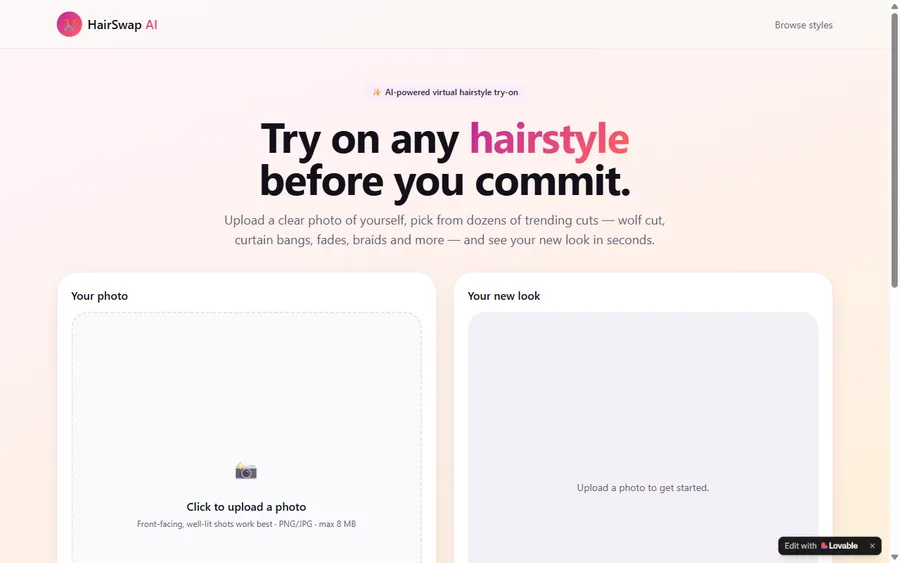 AI & MLHairSync: AI Hairstyle Try-OnUpload a clear photo and try on any hairstyle before you commit, wolf cuts, curtain bangs, fades, braids and dozens of trending looks, rendered onto your own face by AI in seconds. Kriti vibe-coded this virtual try-on studio from a single idea into a working app.by KritiOpen the live project ↗
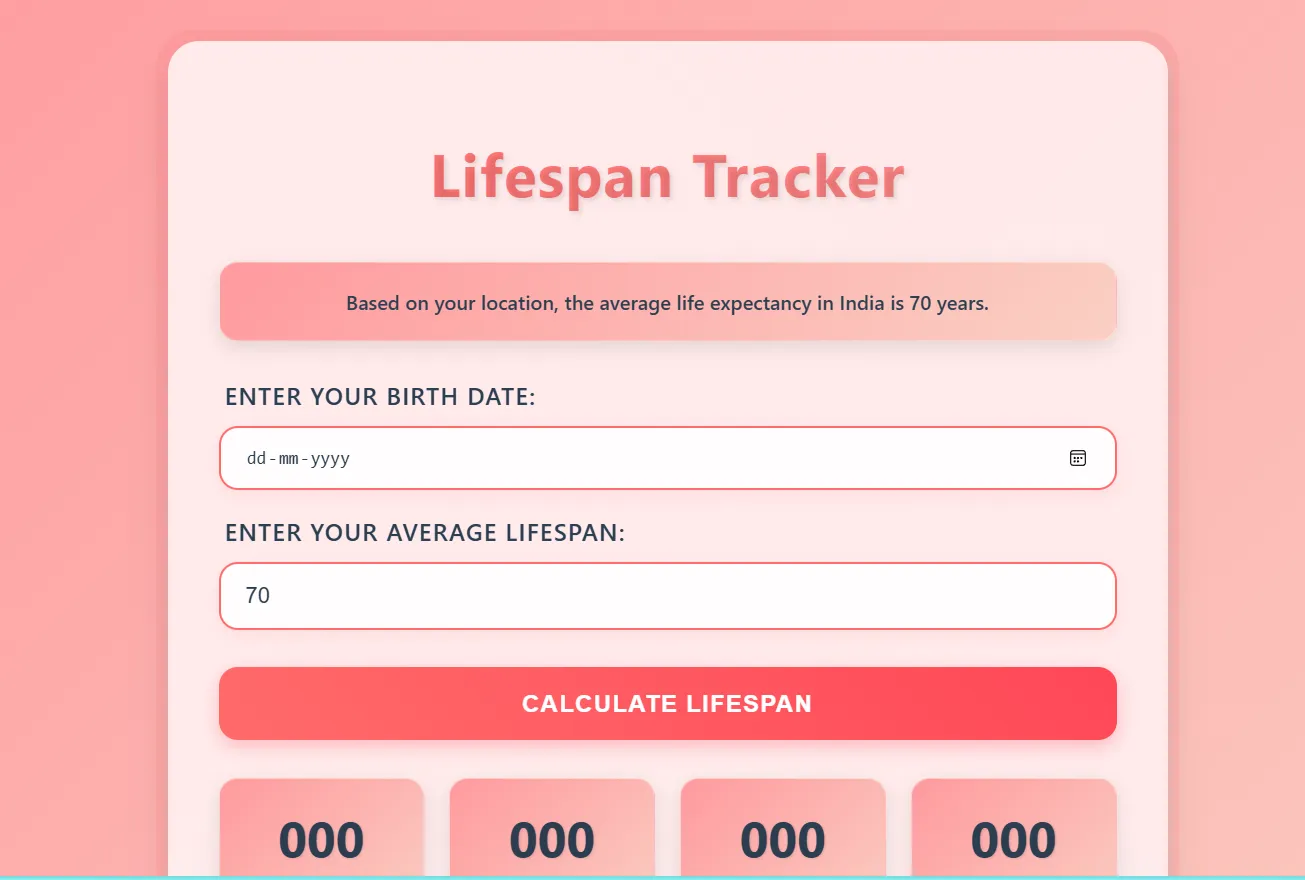 ToolLife Span TrackerAn interactive web tool that calculates expected lifespan, shows days, months and years lived, and visualises remaining time to motivate better habits.by ManayOpen the live project ↗
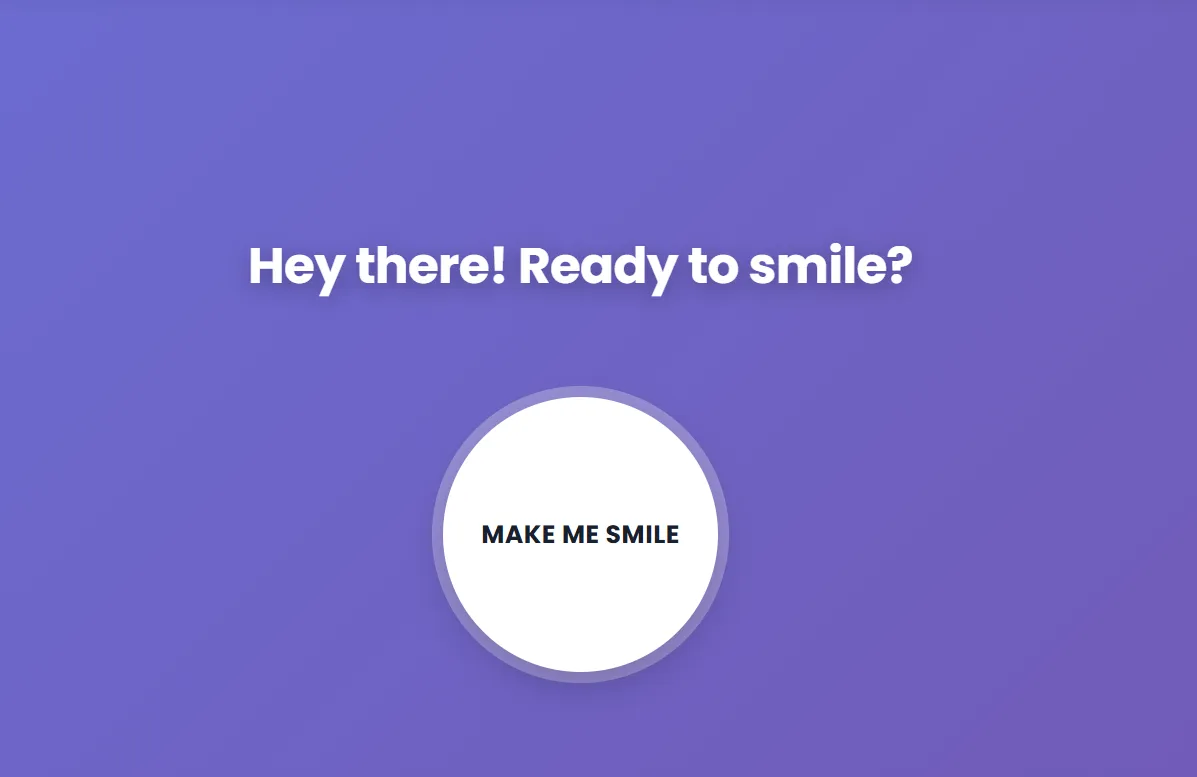 AI & MLHugSelle: AI Smile GeneratorA heartwarming AI-powered web app that detects your mood and generates uplifting quotes and visuals to make you smile, a creative blend of technology and positivity.by AnuragOpen the live project ↗