C++ Programming Masterclass
The language beneath everything fast: fundamentals to modern C++, templates, concurrency and systems programming, in ten honest months.
Syllabus updated August 2026
Recordings are free with a Google sign-in. These recordings show how we teach, not the exact syllabus of this course.
How long this course takes
This course runs 10-12 months (44-52 weeks) at 2 live classes/week + 4-6 hours practice. The range allows for background and pace: a complete beginner uses the full span, and a student with prior knowledge finishes sooner. The syllabus below is planned to the shorter end, with margin kept for revision.
For personalised duration planning, call +91 91233 66161 and we'll map a schedule to your goals.
At a glance
- Who it is for
- Complete beginner (18+); college students, graduates and working professionals. Age: 18+; college students, graduates and working professionals.
- Prerequisites
- None. The language is taught from the first line
- Format
- Live, interactive classes with a real instructor, never pre-recorded videos. Live classes run about one hour.
- Language
- English or Hindi, depending on the batch.
- Duration
- 10-12 months (44-52 weeks)
- Weekly commitment
- 2 live classes/week + 4-6 hours practice
- Class size
- Group batches of 5 to 10 students, mini batches of 3 to 4, or 1-on-1.
- Certificate
- Certificate from Modern Age Coders, awarded on passing the final exam
- Watch first
- Free recordings of real classes for ages 13 and up, free with a Google sign-in. These recordings show how we teach, not the exact syllabus of this course.
- Live demo
- Optional. Enroll directly on this page, or book a free live demo if you would like to meet a mentor first.
How we teach
Deep understanding. Real projects. Expert guidance.
Learn coding, AI and maths through careful explanations, practical demonstrations, and hands-on problem-solving. Our instructors guide you from the foundations to advanced ideas, helping you understand what happens, why it happens, and how to build it yourself.
You will explore concepts step by step, write and improve code, investigate mistakes, ask questions, and apply your knowledge to meaningful projects. Lessons are designed around active participation, thoughtful feedback, and growing independence.
Expert-led live teaching, with practical participation built into every lesson.
- Students explain their thinking.
- Instructors demonstrate, then guide practice.
- Learners code, solve, or build during lessons.
- Questions and misconceptions get attention.
- Assignments receive useful feedback.
- Progress is checked before advancing.
Ready to Master C++ Masterclass: Fundamentals to Modern C++ and Systems?
Choose your plan and start your journey into the future of technology today.
Rated 4.9 across 547 Google reviews. Enroll directly, or see a class first. The free demo is a waiting list and needs no card. Monthly billing, cancel anytime.
Try this course in a full live class, today or tomorrow.The Priority Live Demo is a real class of about 45 to 60 minutes with a mentor reserved for you. You get a written skill report afterwards, and the fee is adjusted against your first month if you enrol.
Book priority demo · ₹499International Students (Outside India)
Billed monthly in US dollars, the same price in every country. Contact us with any questions.
Program Overview
C++ remains the language of engines, trading systems, embedded firmware and every place performance is non-negotiable, and it rewards exactly one approach: patient depth. This live online masterclass builds it in three real phases: fundamentals and object-oriented C++ learned properly, then the layer that makes C++ modern, the STL used fluently, templates understood rather than feared, smart pointers and RAII as habits, and finally the systems layer: concurrency, memory at depth, and the OS-adjacent programming that makes C++ engineers valuable. A finale month ships a capstone and sits the final exam.
The pace is honest: ten teaching months at two live classes a week plus four to six hours of practice, with two more months in hand. Problem sets after every class, monthly mixed reviews, cumulative phase exams, and a final exam that decides the certificate with a free retest. Real memory, real speed, depth over dopamine.
What Makes This Program Different
- The memory model taught with pictures and patience: pointers, RAII and ownership as understanding, not folklore
- Modern C++ as the default: smart pointers, move semantics and the STL the way current codebases use them
- Templates demystified: generic programming as a tool, not a trauma
- A real systems phase: concurrency and OS-adjacent programming, the valuable end of C++
- An honest 10-month arc with 2 months in hand
- Real assessment: weekly problem sets, monthly mixed reviews, phase exams and a final exam with a free retest
Your Learning Journey
Career Progression
Detailed Course Curriculum
Explore the complete week-by-week breakdown of what you'll learn in this comprehensive program.
Topics Covered
- History and evolution of C++ (C++98 to C++23)
- Why C++? Performance, control, and applications
- Setting up development environment (VS Code, Visual Studio, CLion)
- Compilers: GCC, Clang, MSVC
- Writing your first C++ program
- Program structure: headers, main function, return
- Compilation process: preprocessing, compilation, linking
- Basic input/output with iostream
- Comments and code documentation
- Namespaces and using directive
- C++ coding standards and best practices
- Debugging basics with GDB/LLDB
Projects You Build
- Hello World variations
- Simple calculator with basic operations
- Temperature converter
- Personal information display program
Practice & Assignments
Write 20 simple console programs
Topics Covered
- Fundamental data types: int, float, double, char, bool
- Type modifiers: signed, unsigned, short, long
- Variable declaration and initialization
- Constants: const and constexpr
- Auto keyword and type inference
- Arithmetic operators and precedence
- Relational and logical operators
- Bitwise operators and bit manipulation
- Assignment and compound assignment operators
- Increment and decrement operators
- Type casting: static_cast, dynamic_cast, const_cast, reinterpret_cast
- sizeof operator and type sizes
Projects You Build
- Advanced calculator with bitwise operations
- Data type size explorer
- Number system converter (binary, decimal, hex)
- Bitwise flag management system
Practice & Assignments
Solve 50 problems on operators and type manipulation
Topics Covered
- If-else statements and nested conditions
- Switch-case statements
- Conditional (ternary) operator
- While, do-while loops
- For loops and range-based for (C++11)
- Break, continue, and goto
- Function declaration and definition
- Function parameters: pass by value, reference, pointer
- Return types and return by reference
- Function overloading
- Default arguments
- Inline functions
- Recursion and recursive algorithms
- Function pointers basics
Projects You Build
- Menu-driven banking system
- Number guessing game
- Prime number generator
- Recursive factorial and Fibonacci calculator
- Pattern printing programs
Practice & Assignments
Implement 30 algorithms using functions
Topics Covered
- Static arrays: declaration and initialization
- Array operations and bounds checking
- Multidimensional arrays
- C-style strings and string operations
- std::string class and string manipulation
- String streams (stringstream)
- Introduction to pointers
- Pointer arithmetic
- Arrays and pointers relationship
- Dynamic memory allocation: new and delete
- Memory leaks and dangling pointers
- Smart pointers introduction (unique_ptr, shared_ptr)
- References vs pointers
- Null pointers and nullptr
Projects You Build
- Dynamic array implementation
- String manipulation library
- Matrix operations calculator
- Memory management demonstration
- Text-based adventure game
Practice & Assignments
Master 40 pointer and array problems
Topics Covered
- Classes and objects fundamentals
- Class members: data and functions
- Access specifiers: public, private, protected
- Constructors and destructors
- Constructor types: default, parameterized, copy
- Initializer lists
- This pointer
- Static members and methods
- Friend functions and classes
- Nested classes
- Const member functions
- Mutable keyword
- Rule of Three/Five/Zero
- Move semantics (C++11)
Projects You Build
- Bank account management system
- Student record system
- Complex number class
- Date and time class
- Custom string class implementation
Practice & Assignments
Create 20 different classes modeling real-world objects
Topics Covered
- Inheritance concepts and types
- Single, multiple, multilevel inheritance
- Virtual inheritance and diamond problem
- Function overriding
- Virtual functions and vtable
- Pure virtual functions and abstract classes
- Interfaces in C++
- Runtime polymorphism
- Dynamic binding
- Virtual destructors
- Object slicing problem
- RTTI (Run-Time Type Information)
- typeid and type_info
- Final and override specifiers (C++11)
Projects You Build
- Shape hierarchy with area calculations
- Employee management system with inheritance
- Game character class hierarchy
- Vehicle simulation system
- Plugin architecture using polymorphism
Practice & Assignments
Build 15 inheritance hierarchies
Topics Covered
- Operator overloading concepts
- Overloading arithmetic operators
- Overloading comparison operators
- Overloading assignment operator
- Overloading stream operators (<<, >>)
- Overloading function call operator
- Overloading subscript operator []
- Type conversion operators
- Explicit keyword
- Copy and swap idiom
- CRTP (Curiously Recurring Template Pattern)
- Design patterns introduction
- SOLID principles in C++
Projects You Build
- Mathematical vector class with operators
- Custom array class with subscript operator
- Fraction class with all operators
- Matrix class with operations
- PHASE 1 CAPSTONE: Complete OOP Library Management System
Assessment
Phase 1 exam: a practical build defended live, plus a written paper mixing this phase with everything before it
Topics Covered
- STL overview and architecture
- Sequence containers: vector, deque, list, array
- Container adapters: stack, queue, priority_queue
- Associative containers: set, map, multiset, multimap
- Unordered containers: unordered_set, unordered_map
- Container operations and time complexity
- Choosing the right container
- Custom allocators
- Container memory management
- Iterators: types and usage
- Iterator categories and traits
- Reverse iterators
- Iterator adapters
- Range-based operations
Projects You Build
- Student database using STL containers
- Text editor with undo/redo using stack
- Priority task scheduler
- Dictionary implementation with map
- Cache implementation with unordered_map
Practice & Assignments
Implement 30 algorithms using different STL containers
Topics Covered
- Algorithm categories in STL
- Non-modifying sequence operations
- Modifying sequence operations
- Sorting algorithms: sort, partial_sort, nth_element
- Searching algorithms: find, binary_search, lower_bound
- Numeric algorithms: accumulate, inner_product
- Set operations: union, intersection, difference
- Heap operations
- Permutation algorithms
- Lambda expressions with algorithms
- Function objects (functors)
- Predicate functions
- Algorithm complexity analysis
- Custom algorithms implementation
Projects You Build
- Data analysis tool using STL algorithms
- Sorting visualizer
- Set operations calculator
- Performance comparison of algorithms
- Custom algorithm library
Practice & Assignments
Use 50 different STL algorithms in various scenarios
Topics Covered
- Function templates
- Class templates
- Template parameters: type and non-type
- Template specialization
- Partial specialization
- Variadic templates (C++11)
- Template metaprogramming basics
- SFINAE (Substitution Failure Is Not An Error)
- Type traits and type manipulation
- Template template parameters
- Concepts (C++20)
- Fold expressions (C++17)
- constexpr and compile-time computation
- Template best practices
Projects You Build
- Generic data structures library
- Type-safe unit conversion system
- Compile-time math library
- Template-based design patterns
- Custom smart pointer implementation
Practice & Assignments
Create 20 template-based utilities
Topics Covered
- Auto and decltype
- Range-based for loops
- Lambda expressions and captures
- Rvalue references and move semantics
- Perfect forwarding
- Smart pointers: unique_ptr, shared_ptr, weak_ptr
- std::thread and basic threading
- std::chrono for time management
- Random number generation
- Regular expressions
- Filesystem library (C++17)
- std::optional, std::variant, std::any (C++17)
- Structured bindings (C++17)
- Coroutines basics (C++20)
Projects You Build
- Modern C++ file manager
- Multi-threaded downloader
- Regular expression validator
- Time measurement utilities
- Resource management system with smart pointers
Practice & Assignments
Refactor old code using modern C++ features
Topics Covered
- Exception handling mechanism
- Try, catch, and throw
- Exception specifications
- Standard exception classes
- Custom exception classes
- Exception safety guarantees
- RAII (Resource Acquisition Is Initialization)
- noexcept specifier
- Error codes vs exceptions
- std::expected (C++23)
- Stack unwinding
- Exception handling best practices
- Debugging techniques
- Assertion and static_assert
Projects You Build
- Robust file processing system
- Exception-safe container
- Error handling framework
- Resource manager with RAII
- Custom error reporting system
Practice & Assignments
Add proper error handling to 10 previous projects
Topics Covered
- Linked lists: singly, doubly, circular
- Stack and queue implementations
- Binary trees and BST
- AVL trees and balancing
- Red-black trees
- B-trees and B+ trees
- Heaps and priority queues
- Hash tables and collision resolution
- Graphs: representation and traversal
- Tries and suffix trees
- Disjoint set (Union-Find)
- Segment trees and Fenwick trees
- Skip lists
- Custom allocators for data structures
Projects You Build
- Custom STL-like container library
- Database index implementation
- Autocomplete system using trie
- Graph visualization tool
- Memory-efficient data structures
Practice & Assignments
Implement 20 data structures from scratch
Topics Covered
- Algorithm complexity analysis
- Divide and conquer algorithms
- Dynamic programming techniques
- Greedy algorithms
- Backtracking algorithms
- Graph algorithms: DFS, BFS, Dijkstra, Floyd-Warshall
- Minimum spanning tree: Kruskal, Prim
- Network flow algorithms
- String algorithms: KMP, Rabin-Karp
- Computational geometry basics
- Randomized algorithms
- Parallel algorithms introduction
- Cache-efficient algorithms
- Algorithm optimization techniques
Projects You Build
- Pathfinding visualizer
- String matching tool
- Optimization problem solver
- Algorithm complexity analyzer
- Competitive programming library
Practice & Assignments
Solve 100 algorithmic problems
Topics Covered
- Profiling tools: gprof, Valgrind, perf
- CPU architecture and cache optimization
- Memory layout and alignment
- Branch prediction and optimization
- Loop optimization techniques
- Vectorization and SIMD instructions
- Compiler optimizations and flags
- Link-time optimization
- Profile-guided optimization
- Memory pooling and custom allocators
- Lock-free data structures basics
- Benchmarking techniques
- Space-time tradeoffs
- Platform-specific optimizations
Projects You Build
- Performance profiler tool
- Optimized matrix multiplication
- Memory pool allocator
- Cache-friendly data structures
- Benchmark suite for algorithms
Practice & Assignments
Optimize 10 programs for maximum performance
Topics Covered
- Competitive programming platforms
- Problem-solving strategies
- Fast I/O techniques
- Common problem patterns
- Number theory for CP
- Combinatorics and probability
- Game theory basics
- Bit manipulation tricks
- String algorithms for CP
- Advanced data structures for CP
- Dynamic programming patterns
- Graph algorithm variations
- Contest strategies
- Time management in contests
Projects You Build
- Competitive programming template
- Problem classifier and trainer
- Contest performance analyzer
- Algorithm reference implementation
- Virtual contest environment
Practice & Assignments
Solve 200 competitive programming problems
Topics Covered
- Complex system design
- Algorithm selection and implementation
- Performance optimization
- Code organization and documentation
- Testing and debugging
Projects You Build
- PHASE 2 CAPSTONE: High-Performance Database Engine
- Build a simple database with indexing, querying, and transactions
- Implement B+ tree indexes, query optimizer, and transaction manager
- Focus on performance and correctness
Assessment
Phase 2 exam: a practical build defended live, plus a written paper mixing this phase with everything before it
Topics Covered
- Process and memory model
- System calls and OS APIs
- File system operations
- Process creation and management
- Inter-process communication (IPC)
- Shared memory
- Message queues
- Pipes and named pipes
- Signals and signal handling
- Memory mapping with mmap
- Dynamic linking and loading
- Environment variables
- System information retrieval
- Platform-specific APIs (POSIX, Win32)
Projects You Build
- Custom shell implementation
- Process monitor and manager
- IPC messaging system
- File system utilities
- System information tool
Practice & Assignments
Build 10 system-level utilities
Topics Covered
- Virtual memory concepts
- Memory allocation strategies
- Custom memory allocators
- Memory pools and arenas
- Garbage collection techniques
- Reference counting implementation
- Memory debugging tools
- Leak detection and prevention
- Memory-mapped I/O
- Cache-conscious programming
- NUMA awareness
- Memory barriers and ordering
- Lock-free memory management
- Memory optimization patterns
Projects You Build
- Custom malloc implementation
- Garbage collector prototype
- Memory leak detector
- Memory-efficient container library
- Cache performance analyzer
Practice & Assignments
Implement 5 different memory allocation strategies
Topics Covered
- Thread creation and management
- Thread synchronization primitives
- Mutexes and locks
- Condition variables
- Semaphores and barriers
- Read-write locks
- Atomic operations and memory ordering
- Lock-free programming
- Thread pools and executors
- Futures and promises
- Async programming with std::async
- Parallel algorithms (C++17)
- Thread-local storage
- Deadlock prevention and detection
Projects You Build
- Thread pool implementation
- Producer-consumer system
- Parallel sorting algorithm
- Lock-free queue
- Concurrent web server
Practice & Assignments
Build 15 multithreaded applications
Topics Covered
- Socket programming basics
- TCP/IP protocol suite
- UDP vs TCP programming
- Client-server architecture
- Non-blocking I/O
- I/O multiplexing: select, poll, epoll
- Asynchronous I/O
- Protocol design and implementation
- Serialization and deserialization
- RPC (Remote Procedure Call)
- HTTP server implementation
- WebSocket programming
- Network security basics
- Cross-platform networking
Projects You Build
- Chat server and client
- HTTP server from scratch
- File transfer protocol implementation
- Distributed computing framework
- Network packet analyzer
Practice & Assignments
Create 10 network applications
Topics Covered
- Database connectivity (ODBC, native APIs)
- SQL query execution from C++
- Connection pooling
- Transaction management
- Prepared statements
- ORM implementation basics
- NoSQL database interfaces
- Embedded databases (SQLite)
- Database driver development
- Query optimization from application
- Caching strategies
- Data serialization formats
- Database performance tuning
- Migration and versioning
Projects You Build
- Database connection pool
- Simple ORM framework
- Database migration tool
- Query builder library
- Cache layer implementation
Practice & Assignments
Build 5 database-driven applications
Topics Covered
- Compilation process deep dive
- Lexical analysis basics
- Parsing techniques
- Abstract syntax trees
- Code generation basics
- Writing a simple interpreter
- JIT compilation concepts
- LLVM basics
- Build systems: Make, CMake, Bazel
- Static analysis tools
- Code generation tools
- Debugging at assembly level
- Profiling and optimization tools
- Cross-compilation
Projects You Build
- Simple expression evaluator
- Mini programming language interpreter
- Build system for C++ projects
- Static code analyzer
- Code generator for repetitive tasks
Practice & Assignments
Create 5 development tools
Topics Covered
- Embedded C++ considerations
- Memory-constrained programming
- Real-time systems concepts
- Interrupt handling
- Device driver basics
- Bare-metal programming
- RTOS integration
- Hardware abstraction layers
- Cross-compilation for embedded
- Debugging embedded systems
- Power optimization
- Communication protocols (I2C, SPI, UART)
- Sensor integration
- IoT development basics
Projects You Build
- Embedded system simulator
- Device driver prototype
- Real-time task scheduler
- Sensor data logger
- IoT device firmware
Practice & Assignments
Develop 5 embedded applications
Topics Covered
- Secure coding practices
- Buffer overflow prevention
- Input validation techniques
- Cryptography basics
- Hash functions implementation
- Encryption algorithms
- SSL/TLS implementation basics
- Authentication systems
- Secure random number generation
- Code obfuscation techniques
- Reverse engineering prevention
- Security auditing tools
- Fuzzing and testing
- Exploit mitigation techniques
Projects You Build
- Encryption library
- Secure communication protocol
- Password manager
- Security scanner
- Secure file storage system
Practice & Assignments
Implement 10 security features
Topics Covered
- Graphics pipeline overview
- OpenGL/DirectX basics
- 2D graphics rendering
- 3D mathematics for graphics
- Shaders and GLSL
- Texture mapping
- Lighting models
- Camera systems
- Scene graphs
- Collision detection
- Particle systems
- GUI programming with Qt/ImGui
- Vulkan introduction
- Graphics optimization
Projects You Build
- 2D graphics renderer
- 3D scene viewer
- Particle system simulator
- Simple GUI framework
- Graphics effects library
Practice & Assignments
Create 5 graphics applications
Topics Covered
- System design and architecture
- Component integration
- Performance requirements
- Testing and validation
- Documentation and deployment
Projects You Build
- PHASE 3 CAPSTONE: Distributed Computing System
- Build a distributed task processing system
- Include networking, multithreading, and IPC
- Focus on scalability and fault tolerance
Assessment
Phase 3 exam: a practical build defended live, plus a written paper mixing this phase with everything before it
Topics Covered
- Choosing the capstone: a performance-critical tool, a small engine or simulator, or a systems utility
- A one-page spec: scope, milestones, stack
- Repository and project skeleton ready on day one
- Instructor sign-off before the build begins
Projects You Build
- Approved capstone spec plus the running skeleton
Practice & Assignments
Pitch the spec to the batch and absorb one hard question
Topics Covered
- Two focused weeks of building in vertical slices
- Instructor checkpoints and honest scope cuts
- Using the whole course: modern C++, the STL, templates where they earn it, and concurrency where it helps
- Daily commits and an always-working build
Projects You Build
- The capstone, feature-complete with version control
Practice & Assignments
A working build at the end of every session
Topics Covered
- The finishing pass: edge cases, errors, documentation
- Sanitizers and warnings clean: memory-safe by evidence
- A README worth reading and a demo worth watching
- A full-course spiral review before the exam
Projects You Build
- The capstone shipped, documented and rehearsed
Practice & Assignments
Two mock demos, each tighter than the last
Topics Covered
- Presenting the capstone: live demo plus the hardest bug story
- The honest map of next roads: deep systems programming, graphics and engines, embedded, or competitive programming
- Where our other courses continue the journey
Projects You Build
- Demo day presentation delivered to the batch
Assessment
FINAL EXAM: a practical build plus a written paper with questions mixed from every phase. Passing earns the certificate; falling short earns a focused revision plan and a free retest
Projects You'll Build
Build a professional portfolio with 25+ real builds, crowned by a sanitizer-clean capstone real-world projects.
Weekly Learning Structure
Certification & Recognition
Technologies & Skills You'll Master
Comprehensive coverage of the entire modern web development stack.
Support & Resources
Career Outcomes & Opportunities
Transform your career with industry-ready skills and job placement support.
Prerequisites
Who Is This Course For?
Career Paths After Completion
Salary & Market Context
The ranges below are general market salary bands for these roles in India and abroad, drawn from public industry data. They are shown for career context only and are not a promise or guarantee of income. Actual pay depends on your skills, experience, location, and the job market.
Course Guarantees
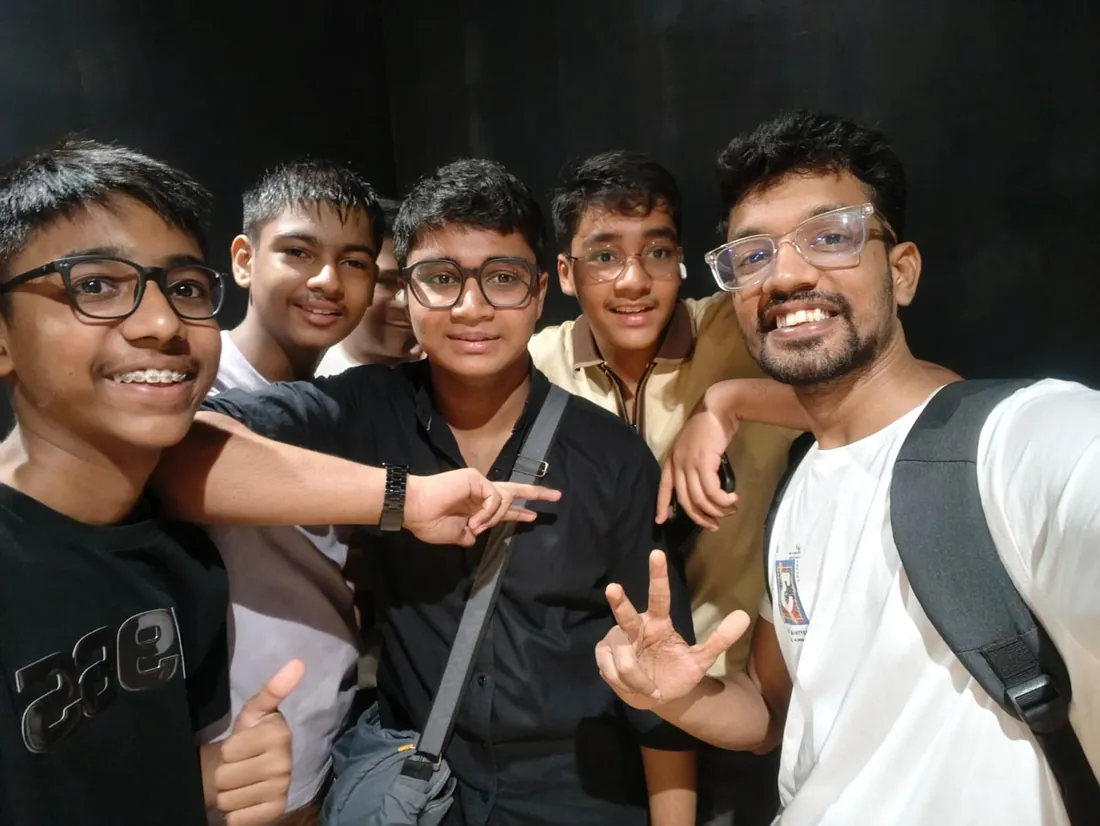
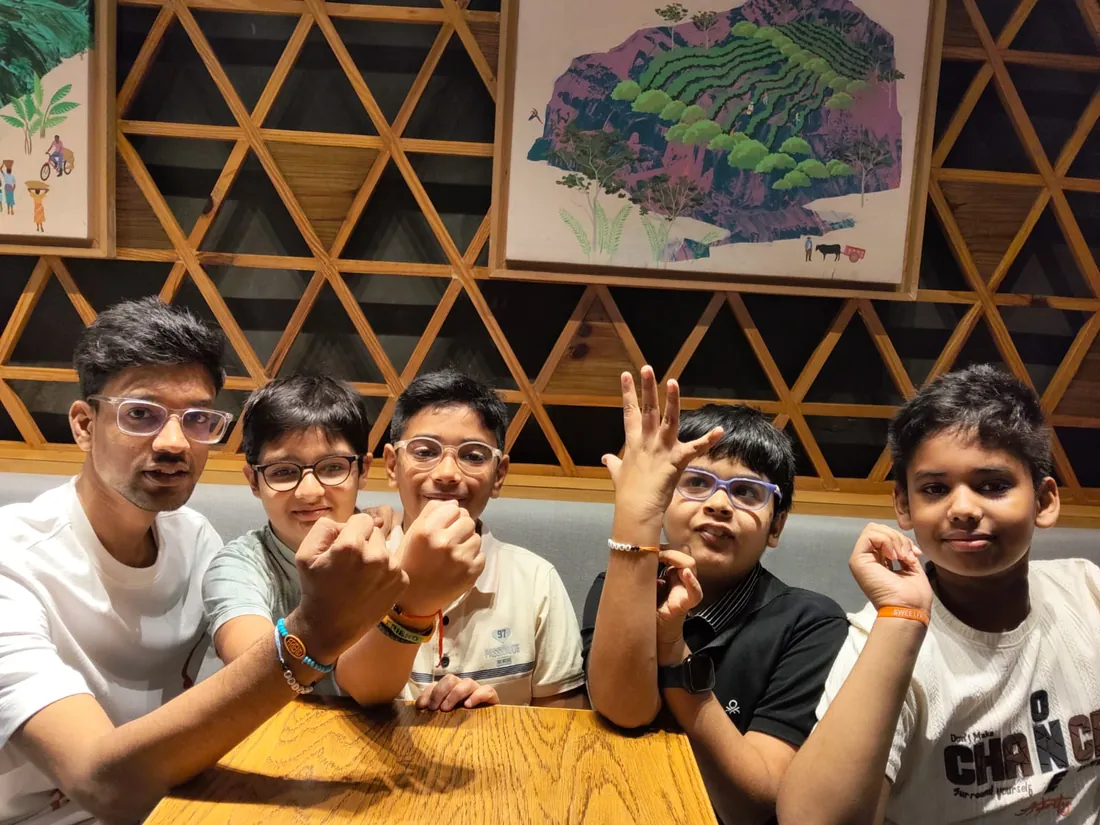
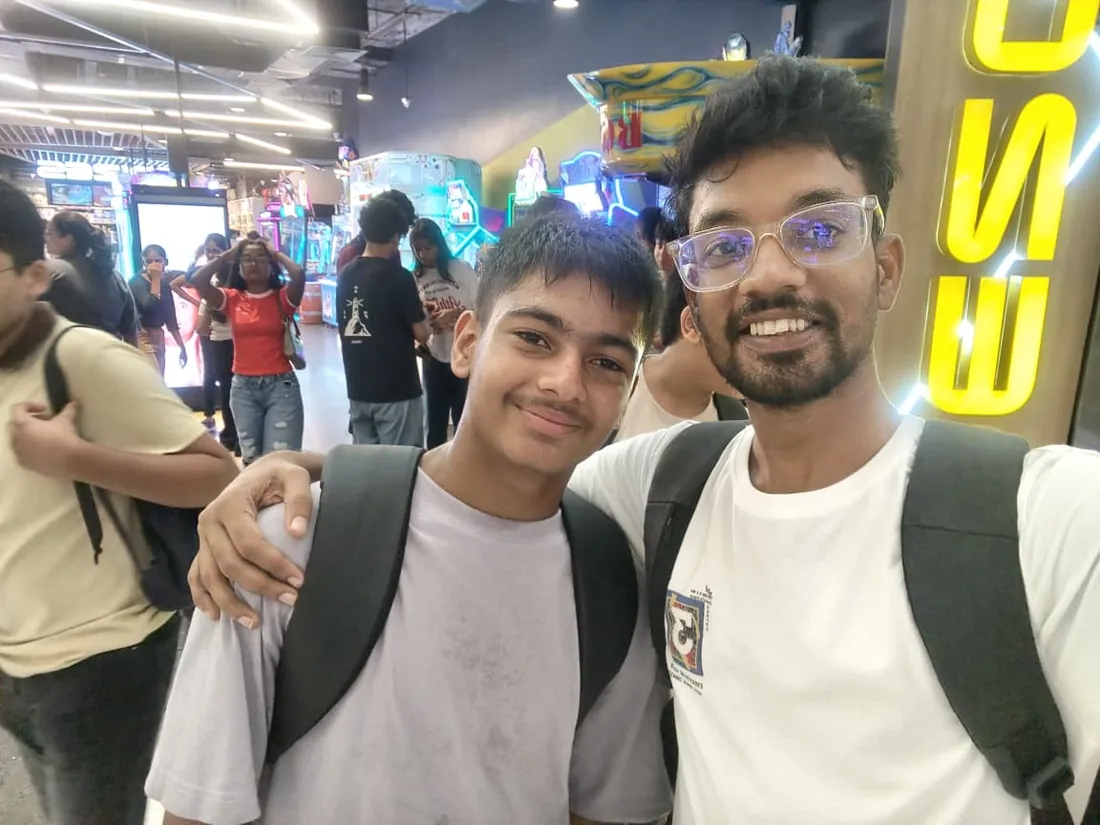
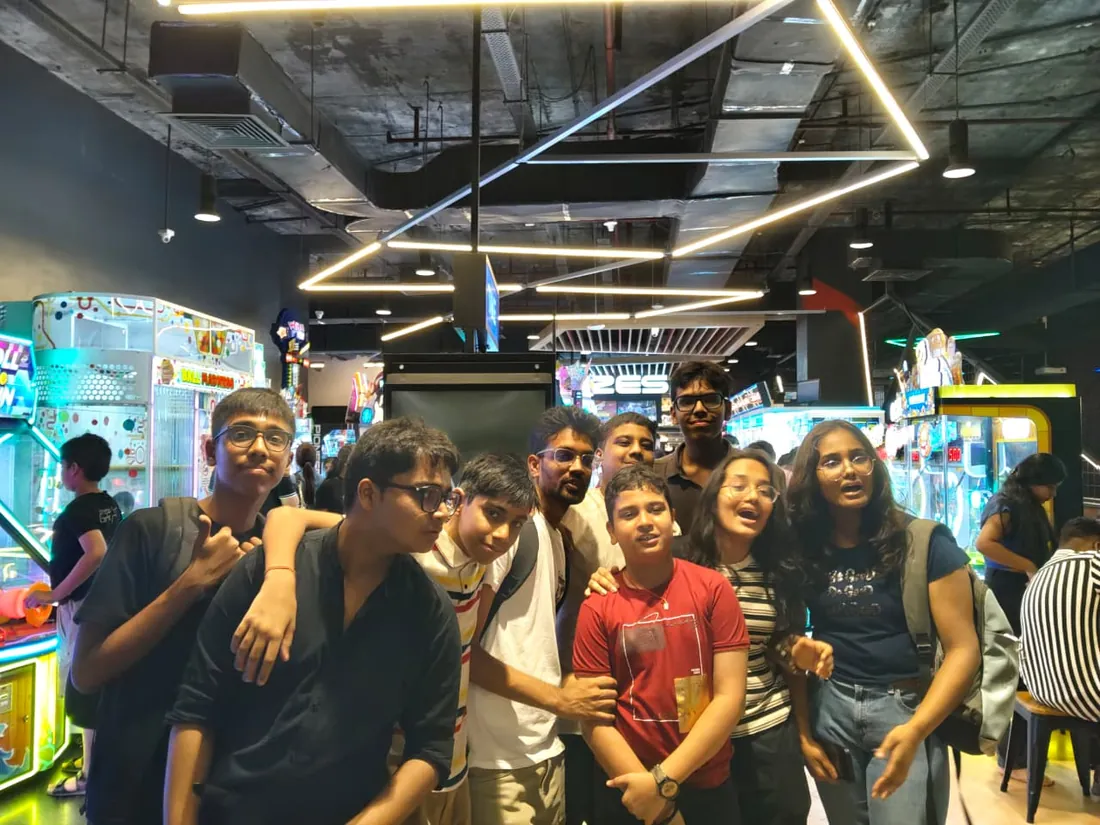
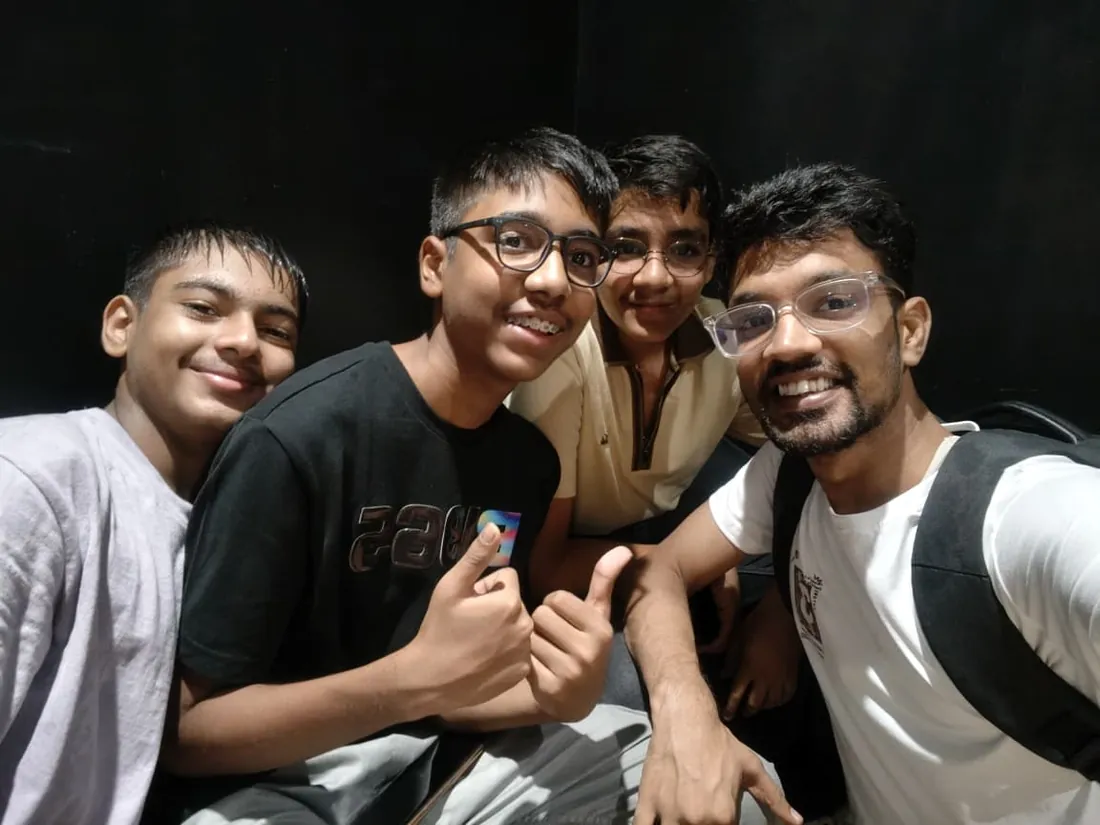
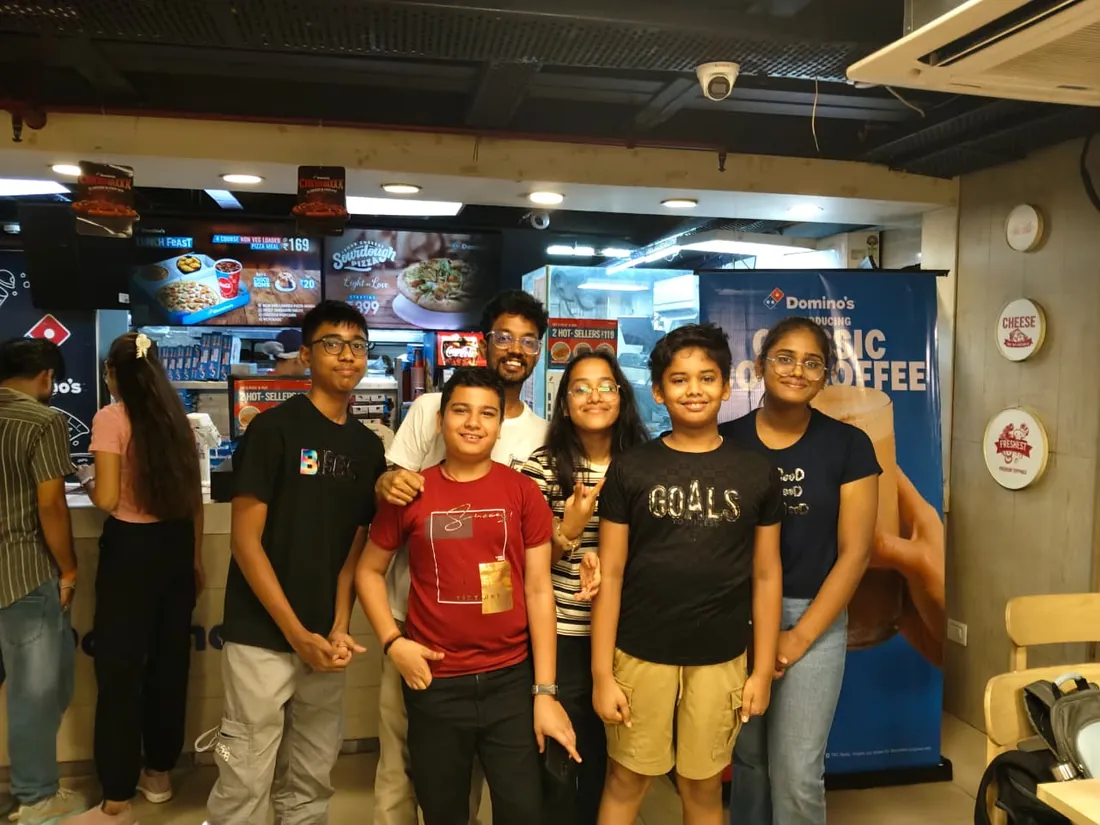
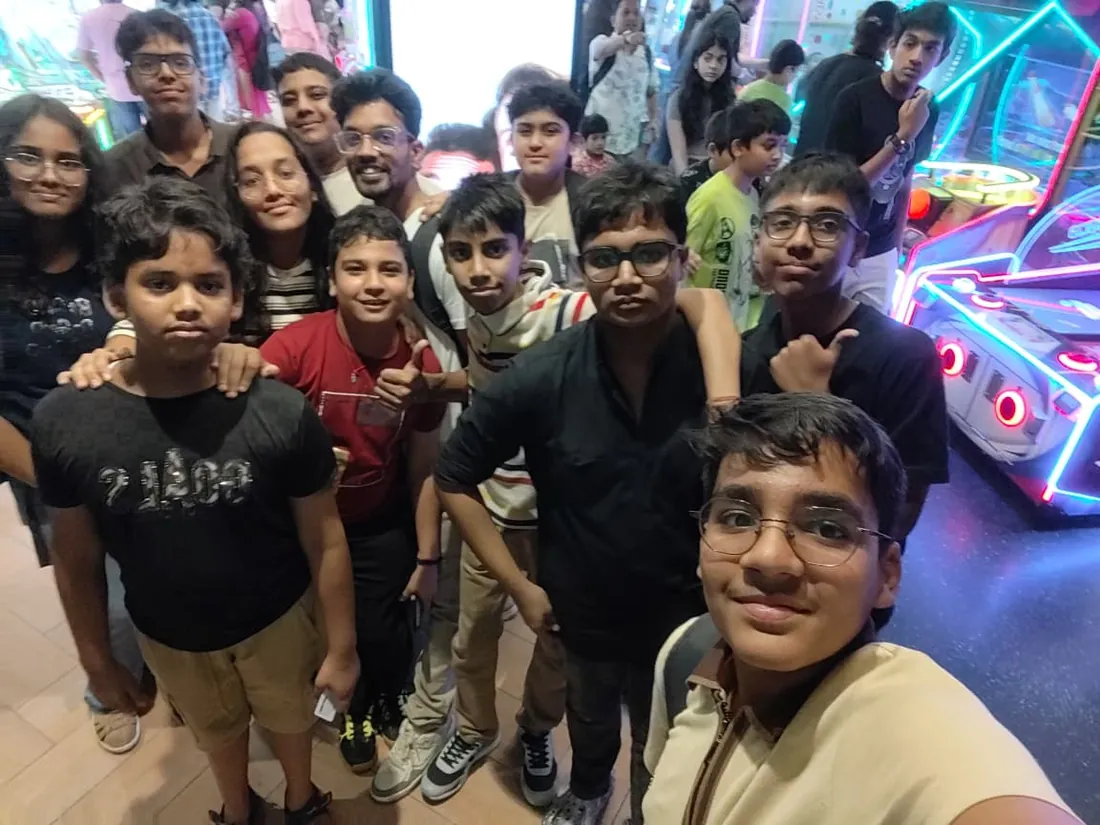
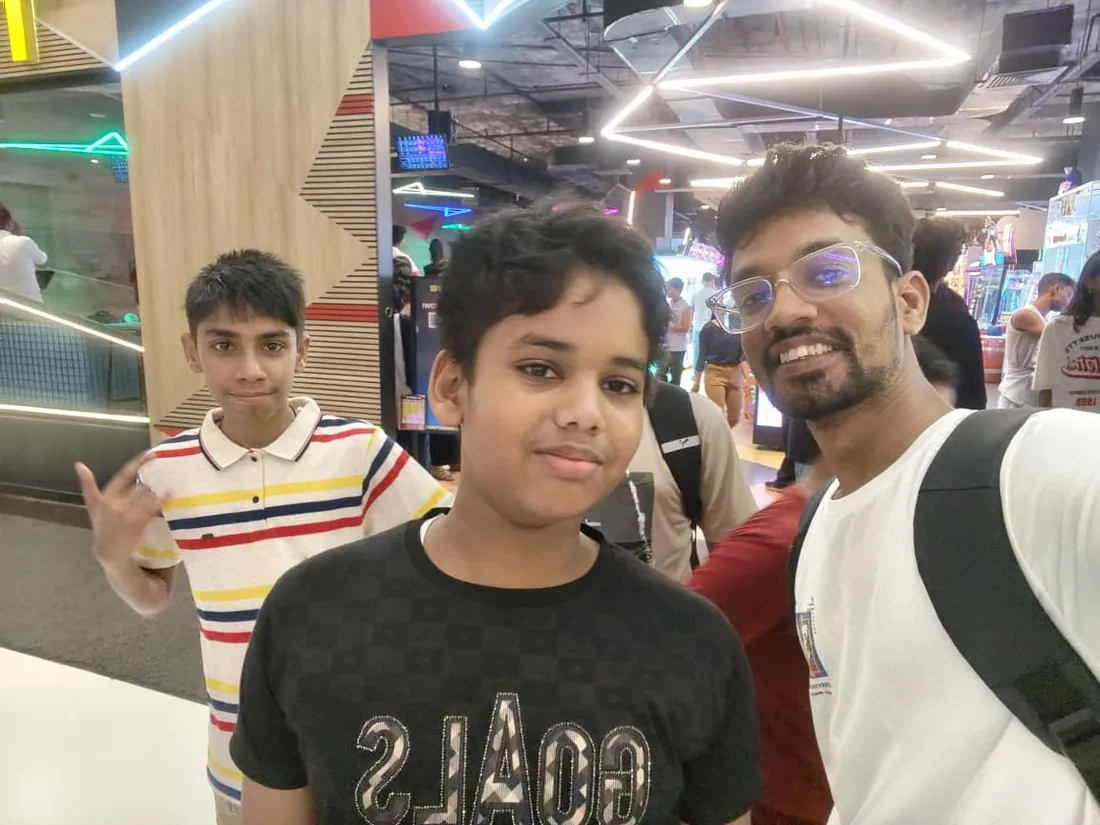
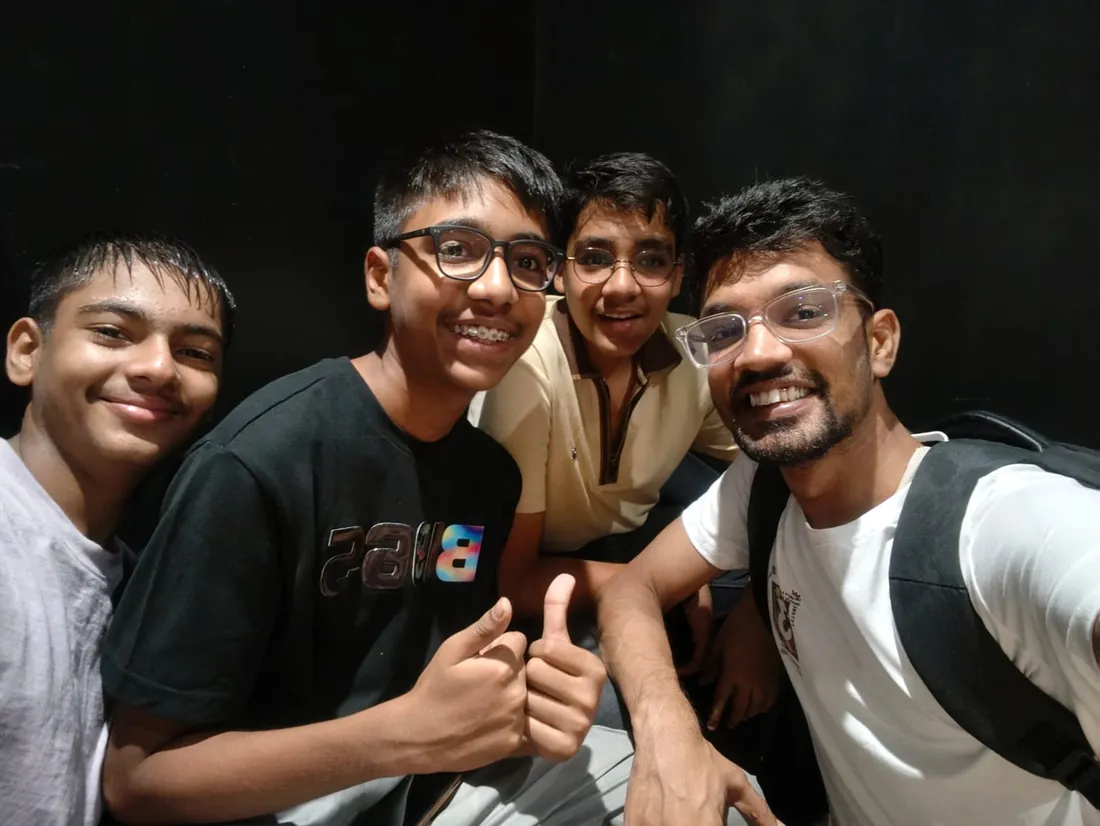
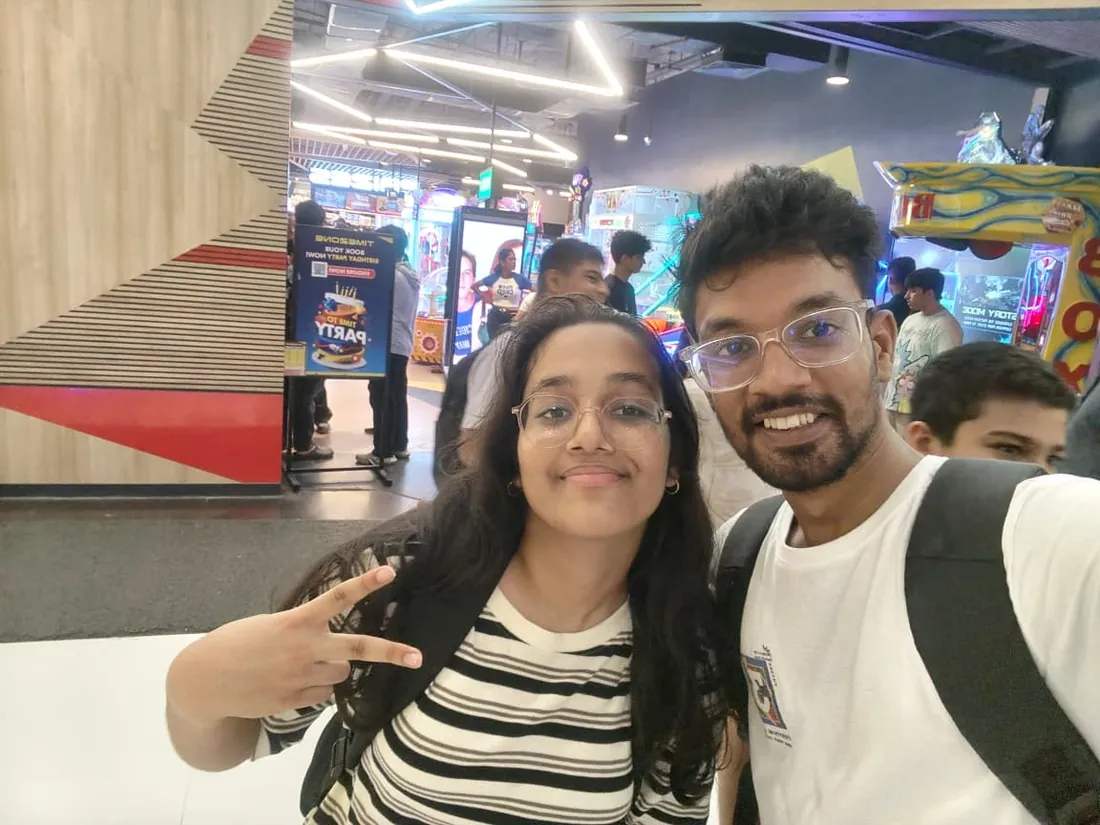
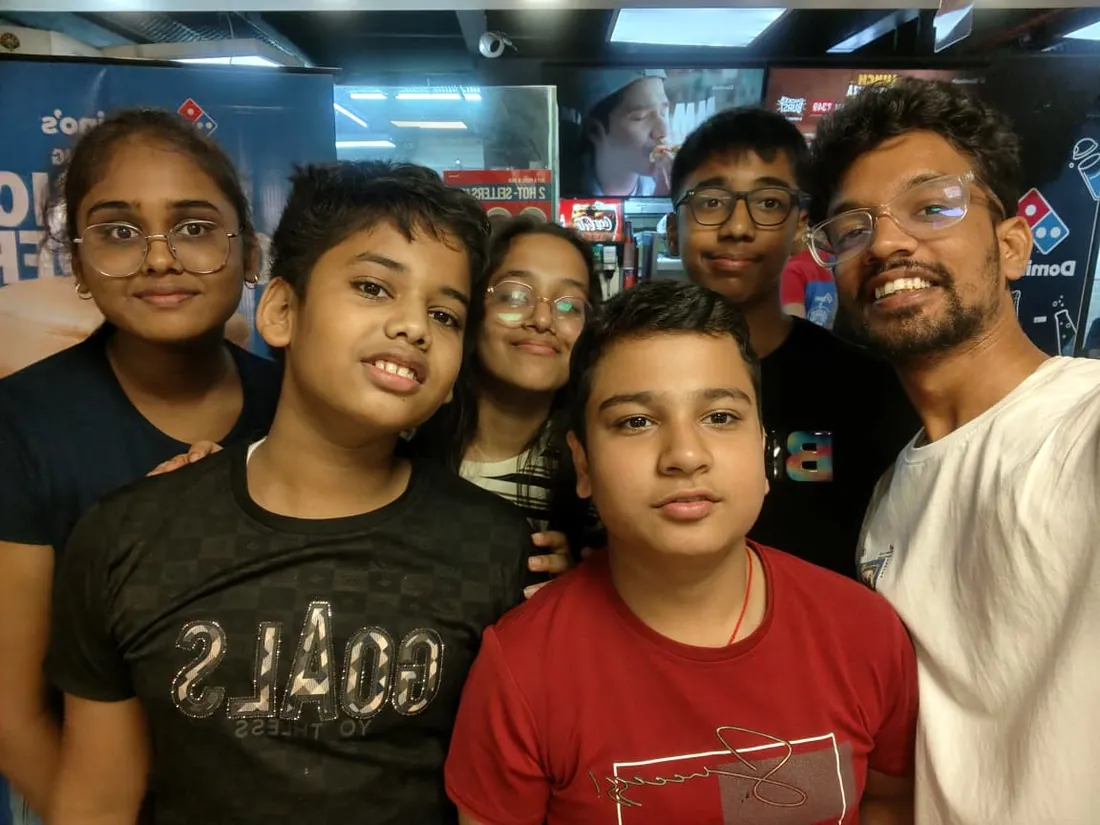
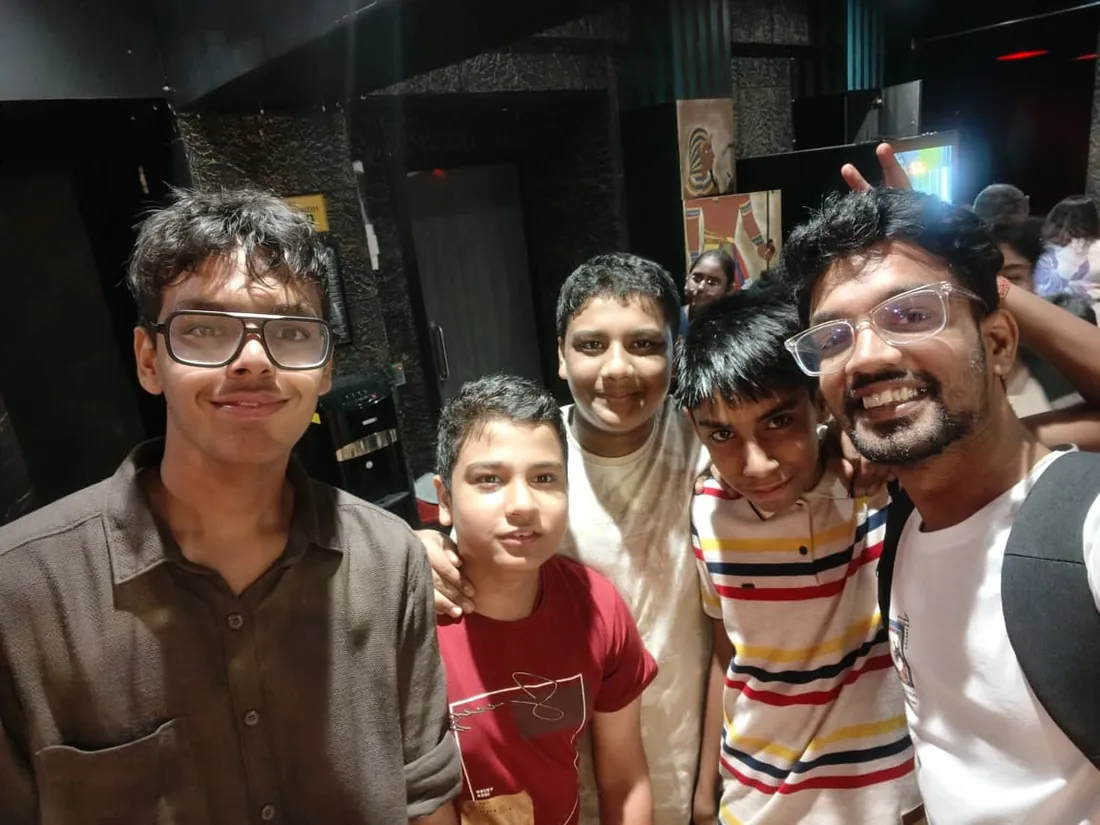
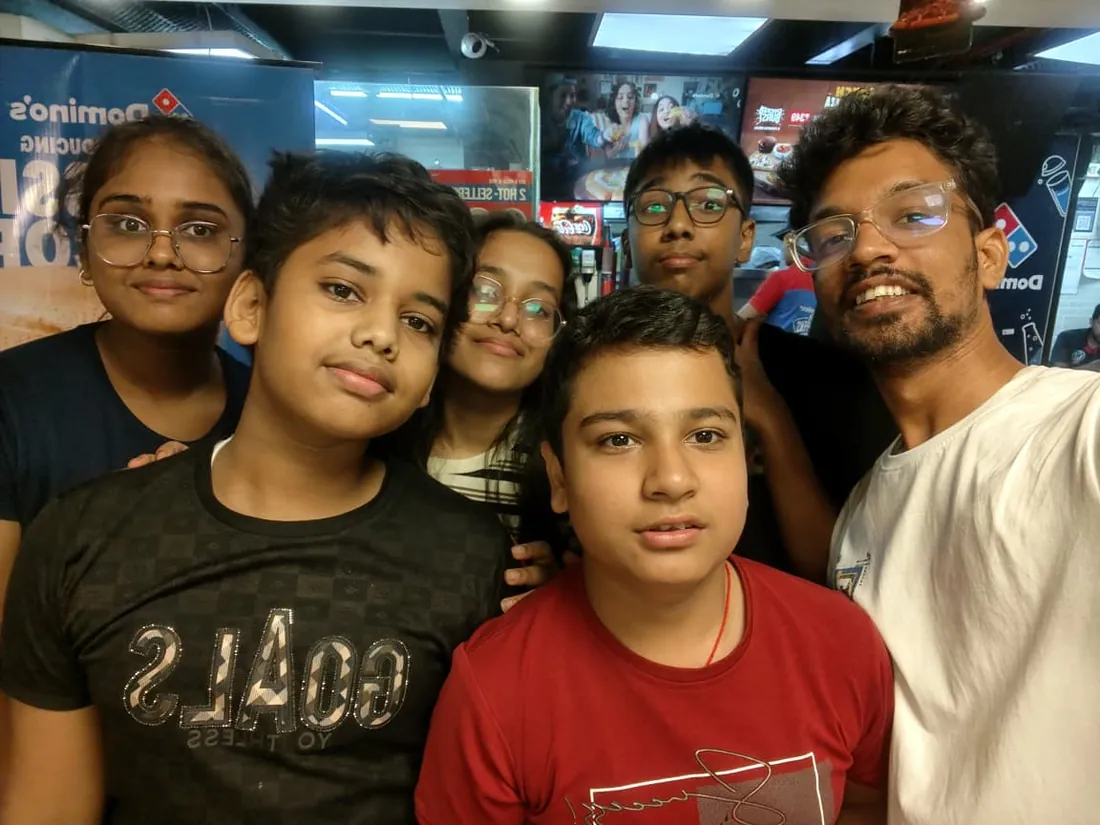
Real students. Real moments. Real joy.
These are our actual student meetups. No stock photos, no filters. Swipe through and meet the community you'll be joining.














What families say
Straight from the parents and students who learn with us. Rated 4.9 across 547 Google reviews.
“Mivaan enjoys the class. He understands the concepts and completes his tasks with excitement. He started taking interest in coding… truly amazing class.”
“I absolutely love it here! I made new friends and learned important valuable coding skills while having the fun of my life. It's not just coding here, it's outings, bonding and most importantly preparing you for your future. Definitely five stars.”
“What stands out most is how excited my son is before every class. He looks forward to learning, problem-solving, and sharing what he's built. I've noticed a big boost in his confidence!”
“Modern Age Coders has been a game-changer for me! I struggled to grasp IT concepts and coding before joining, but their classes transformed everything. I'm now the topper in my class and can confidently write complex programs with ease.”
“Modern Age Coder have wonderful teachers who teach in a clear, easy and practical way. The teacher boosts students' confidence, keeps them updated with technology, and inspires them to learn without hesitation.”
“The one step solution for my son. Modern Age Coders make learning coding so simple that kids love it.”
“Coding classes here make learning very interesting and conceptual. The teachers teach us in a very easy-to-understand and efficient manner.”
“One of the most wonderful education centres out there. Education is not limited to school syllabus but focuses on skill development. Learning here has been a wonderful journey and still continuing.”
“I highly recommend this computer coding class! The teachers are incredibly knowledgeable and passionate about coding. They make every session engaging and insightful.”
“My child Dhairya is really enjoying the Modern Age Coder IT classes. This is his first online class, and he eagerly looks forward to it.”
“Very good classes. Don't worry about coding. They teach the best, especially Shivam sir.”
“Very good classes. Makes learning very easy and interactive.”
Hear it from our students
Real parents and students in their own words, on our public YouTube channel.
Straight answers about C++ Masterclass: Fundamentals to Modern C++ and Systems
- Who should take this course?
- Complete beginner (18+); college students, graduates and working professionals. Age: 18+; college students, graduates and working professionals. It suits engineering students whose curriculum and placements both reward c++ depth; anyone whose interviews include c++ and its memory questions; developers drawn to the fast end of software.
- What will they learn and build?
- C++ remains the language of engines, trading systems, embedded firmware and every place performance is non-negotiable, and it rewards exactly one approach: patient depth.
- How deeply are topics covered?
- The course runs 10-12 months (44-52 weeks) at 2 live classes/week + 4-6 hours practice, across 4 phases listed week by week in the syllabus below. A structured, well-paced curriculum taught step by step, with classwork in every session and problem sets after every class.
- Who teaches it?
- Modern Age Coders mentors, who teach the live classes themselves. You can watch them at work in the free class recordings before you decide.
- How do practice, feedback and assessment work?
- Monthly mixed reviews, cumulative phase exams, and a final exam that decides the certificate: real knowledge, real work. Doubt support between classes over WhatsApp, so you are never left stuck. A certificate you earn by passing the final exam, with a free retest after revision if needed.
- What does it cost?
- Three monthly plans: a group batch, a mini batch and 1-on-1. Prices are shown in your currency in the plans section. Monthly billing, cancel any time.
- When can classes take place?
- Live classes are scheduled around your week. Group batches meet at a fixed weekly slot; 1-on-1 students choose their own. International students are scheduled in their own timezone. Ask on WhatsApp for the current slots.
- Can I watch the teaching before deciding?
- Yes. Full recordings of real 13 and up classes are free to watch, free with a Google sign-in. These recordings show how we teach, not the exact syllabus of this course. Some classes are in English and some in Hindi; everyone follows at their own pace. Watch a class end to end, like you are in it. Sessions are interactive and each moment builds on the last.
- Can I enroll without a live demo?
- Yes. Choose a plan on this page and enroll directly; a booking or a demo is not required. A free live demo is optional, for anyone who wants to meet a mentor first. Outside India, our team confirms the plan and completes payment with you over WhatsApp, so allow a little time for that step.
Common Questions About C++ Masterclass: Fundamentals to Modern C++ and Systems
Get answers to the most common questions about this comprehensive program
Still have questions? We're here to help!
Contact UsRelated Courses You May Like
Continue your learning journey with these recommended programs
 C++ Programming
C++ for Teens: Fundamentals, STL, DSA and Real Games
C++ course for teens aged 13-18: fundamentals, pointers and memory, OOP, STL, data structures, SFML ...
Explore Course Web Development
Backend Development for Teens: Node, APIs and Databases
Backend course for teens aged 13-18: Node.js, Express, REST APIs, MongoDB and PostgreSQL, auth, secu...
Explore CourseRelated Articles & Guides
Deepen your knowledge with these hand-picked articles
 Education
16 min read
Education
16 min read
How Coding and Mathematics Work Together in Engineering & Science
Discover the powerful connection between coding and mathematics in engineering and science. Learn ho...
Read Article Programming
15 min read
Programming
15 min read
Top 10 Java Programs Every College Student Must Know (With Solutions)
Master 10 essential Java programs with complete solutions and explanations. Perfect for college stud...
Read ArticleReady to start C++ Masterclass: Fundamentals to Modern C++ and Systems?
Book a free demo class to meet your mentor and see how we teach, with no commitment. Or enrol now and start this week.