Pick the course. Start this week.
Every mentor teaches from a structured programme, adapted live to your child. Open a course to see the full syllabus and enroll in minutes, or start with a Priority Demo and let the placement pick for you.
 Best fit
Elementary Mathematics Masterclass
The grades 1-5 road with second grade's regrouping and the grade-3 runway taught properly inside it.
$100/mo group · $150/mo 1-on-1
View course & enroll
Mental Maths Mastery for Kids
The fluency engine second grade demands: facts within 20 from memory, built through games.
$100/mo group · $150/mo 1-on-1
View course & enroll
Early Math Foundations (K-2)
For the second grader whose gaps trace back further: the K-2 foundation, rebuilt kindly.
$100/mo group · $150/mo 1-on-1
View course & enrollGood 2nd grade math tutoring does three things: teaches regrouping as unbundling real tens (not a borrowing ritual), finishes fact fluency within 20 so bigger arithmetic has fuel, and builds the grade-3 runway, skip counting and arrays that make multiplication feel inevitable instead of alien. That is what we do: live one-hour classes with a dedicated mentor, in small groups (8 a month) or private 1-on-1, priced for your country and shown in your local currency, Priority Demo first.
The first year math can be done wrong invisibly.
Second grade is where the ritual-versus-understanding fork first cuts deep. The famous case is subtraction with regrouping: 52 minus 27. The ritual child recites "cross out the 5, make it 4, put a 1 next to the 2", and gets right answers until the day the ritual meets a zero (503 minus 27) and collapses, because nothing underneath explains what to do.
The understanding child knows 52 IS five tens and two ones, and that one ten can be unbundled into ten ones whenever needed. For that child, the zero case is just another unbundling. Same algorithm, entirely different ownership.
The other quiet stakes of the year: fact fluency within 20 is supposed to reach from-memory this year, and children still deriving every fact will pay a tax on every problem in grade 3; and the multiplication runway, skip counting, equal groups, first arrays, gets built now or grade 3's tables arrive as pure memorization.
Our mentors teach the whole year from bundles, hundred-charts and games: place value your child can hold in their hands, regrouping as a physical act before a written one, and arrays discovered in cookie trays. It is the last calm year before the grade-3 cliff, and used well, it makes that cliff a step.
What 2nd grade math actually covers.
| Territory | What it means at seven | Where the gaps hide |
|---|---|---|
| Fluency within 20 | Addition and subtraction facts known from memory by year end | Deriving disguised as knowing; the tax shows up in every grade-3 problem |
| Place value to 1000 | Hundreds, tens and ones as real bundles; skip counting by 5s, 10s, 100s; comparing three-digit numbers | Digits as positions without the bundle idea, the root of every regrouping disaster |
| Add & subtract within 1000 | Regrouping understood as bundling and unbundling, with strategies as well as the algorithm | The borrowing ritual that breaks on zeros; answers unchecked by estimation |
| The multiplication runway | Equal groups, first arrays, odd and even: grade 3's foundation, laid here | Skipped entirely in many classrooms, making tables next year pure memorization |
| Money & time | Coins and bills in word problems, time to five minutes | Money is the year's best place-value playground, and often wasted |
| Measurement & data | Lengths in standard units, comparing, bar graphs and picture graphs | Rarely a struggle; a lovely confidence territory |
52 minus 27: the ritual, and the sense.
"Can you take away 7 ones?" → "There are only 2!"
"Hmm. Could any of these bundles help?"
Child unwraps one ten → now 4 bundles and 12 ones.
"NOW can you take 7?" → takes 7, leaving 5 → then takes 2 tens → "25!"
What just happened: the child performed regrouping physically before ever seeing the crossed-out 5 on paper. When the written algorithm arrives next class, it is a recording of something they have DONE, not a ritual to memorize.
The dividend comes months later: 503 minus 27 causes no panic, because "unbundle a hundred into tens, then a ten into ones" is just more of the same sense. Estimation gets taught alongside ("about how much should be left?"), so wrong answers start feeling wrong to the child, the self-checking instinct that outlasts every worksheet.
Bundles in hand, sense before symbols.
Regrouping as a physical act
Bundling and unbundling with real materials before written algorithms, so the ritual has sense underneath forever.
Fluency finished, through games
The within-20 facts reach from-memory via strategy games and beat-your-own-record ladders, never flashcard grind.
Estimation as a habit
"About how much?" before every big computation, so wrong answers start feeling wrong, the instinct that checks itself.
The grade-3 runway, laid now
Skip counting, equal groups and cookie-tray arrays make next year's multiplication feel inevitable, not alien.
Money as the playground
Dimes and pennies are tens and ones with motivation attached: the year's best place-value laboratory, used fully.
One mentor, watching closely
The same teacher every class, reading whether understanding or ritual is doing the work, and adjusting before gaps set.
From bundles to grade-3 ready.
Class 1 · The Priority Demo
A real lesson plus a diagnostic: fact-fluency stage, place-value depth, and whether ritual or sense is currently steering.
Months 1-3 · Place value, held in hand
Bundles to 1000, skip counting, comparisons, and the money playground opened properly.
Months 4-7 · The regrouping season
Adding and subtracting within 1000, physically first, then on paper, with estimation checking every answer.
Months 8-10 · Fluency finished + the runway
Within-20 facts reach from-memory, and equal groups, arrays and odd/even lay the multiplication foundation.
Months 11-12 · The grade-3 handoff
Time, data and measurement consolidated, and a child who meets third grade's famous cliff as a step.
What one full hour looks like, at seven.
0-10 min · Fact games
Within-20 fluency play at your child's exact stage, the daily engine of the year.
10-30 min · The day's idea, in bundles
Place value, regrouping or arrays built with materials, the child's hands doing the mathematics.
30-45 min · Problems with stakes
Word problems, money puzzles and estimation challenges, solved aloud with reasons.
45-60 min · Explain-back and quest
The child teaches the idea back and takes a small game-quest home for between classes.
A full hour, built for seven-year-old attention with variety, and quickly the week's defended favorite. Watch one: the demo is free. See exactly how we teach →
Who this genuinely fits, and who it does not.
A strong fit if…
• Regrouping arrived and the wheels wobbled: right answers some days, mysterious ones others, the ritual-without-sense pattern this page describes.
• Facts within 20 are still being derived finger by finger, and you want fluency finished before grade 3 taxes every problem for it.
• Your child is coasting at school and needs depth and challenge before boredom becomes a habit.
• You want one mentor who knows your child, not a rotating cast or an app with streaks.
Honestly not the fit if…
• Your child cannot yet engage with a screen and a teacher for a full hour. By seven nearly every child can, provided the hour is genuinely interactive, and ours are.
• You want homework done for your child. We teach your child to do it, which is slower on night one and far faster by week four.
• You want the borrowing ritual drilled faster without the sense underneath. That path breaks on the first zero, and we will say so rather than sell it.
Premium teaching. One honest price.
You are paying for a real teacher, live, for a full hour, twice a week, the same format US tutoring centers charge $300 to $450 a month for. Our cost base is global, so the price is not.
1:1 Private Mentorship
$150 / month
- 8 live one-hour classes a month, 2 per week4 live one-hour classes a month, 1 per week
- A dedicated mentor who knows your child by name
- Diagnostic-led plan against the full 2nd grade map
- Class recordings for revision · cancel any time
Small-Group Class
$100 / month
- 8 live one-hour classes a month, 2 per week
- A handful of children at the same level
- Same teaching method, gentle peer energy
- Recordings included · cancel any time
That is $18.75 per dedicated hour of 1-on-1 teaching, or $12.50 in a small group. No registration fee, no contract, and you can see a full class first with a Priority Demo. Read our zero-risk promise or compare with what US math tutoring costs in 2026.
Mentors who teach the why, in classes kids wait for.
Our mentors are trained in one method: understanding before procedure, concrete before abstract, the student talking more than the teacher. They teach both math and coding, which matters more than it sounds, because a mentor with both toolkits has engagement moves a worksheet never will.
And because the same mentor stays with your child month after month, teaching compounds: they know exactly which ideas landed, which need another costume, and when the next stretch is due.
"My child Dhairya is really enjoying the classes. This is his first online class, and he eagerly looks forward to it. I can see his improvement."
Sonam Oswal, mother of Dhairya · verified Google review
"My son struggled with math for years. Integrating it into coding projects has transformed his understanding and confidence. Highly recommended!"
Shewta Singh, mother of Ishan · verified Google review
Your real options for a 2nd grade student.
| Option | Typical cost | What it really is | Best for |
|---|---|---|---|
| Modern Age Coders | $100–$150 / month | Live one-hour classes with a dedicated mentor, understanding-first teaching | Rebuilding understanding and confidence, sustained progress |
| Mathnasium center | $300-$450 / month + enrollment fee | Drop-in worksheet floor with rotating instructors | Children who focus better out of the house |
| Kumon | $150-$220 / subject / month | Daily worksheet packets, brief check-ins, no taught lessons | Building a drill habit and calculation speed |
| Local private tutor | $35-$80 / hour | Quality varies; twice-weekly quickly costs $280-$640 a month | Short-term help when you have found a gem nearby |
| Math apps | $10-$20 / month | Gamified practice, no teacher, no accountability | Casual practice between real lessons |
Competitor figures are typical published US prices as of July 2026. See our full comparisons: vs Mathnasium · vs Kumon · best online math tutoring 2026.
Everything parents ask about 2nd grade math tutoring.
My child gets regrouping right sometimes and wrong others. What is happening?
The classic signature of ritual without sense: the crossed-out-digits procedure was memorized, and it holds until attention slips or a zero appears. We rebuild it physically, bundling and unbundling real tens, so the written algorithm becomes a recording of something understood. The inconsistency disappears because there is finally something underneath.
Should math facts really be memorized by end of 2nd grade?
Known-from-memory within 20 is the standard year-end expectation, and it genuinely matters: grade 3 assumes it on every problem. But the route matters more than the deadline, strategies first, then game-based repetition. Crammed facts without strategy evaporate; built facts stay.
Is second grade too early to prepare for multiplication?
It is exactly when the preparation belongs: equal groups, skip counting and first arrays are official second-grade territory, and they make grade 3's tables feel inevitable instead of alien. A child who has arranged cookie trays into arrays meets 4 times 6 as an old friend.
My child seems fine on worksheets but freezes on word problems. Why?
Worksheets reward procedure; word problems require imagining the situation, a different skill that must be taught. We act stories out, draw them, and only then write the number sentence, so "imagine it" becomes the reflex instead of keyword-guessing.
How does tutoring fit alongside school?
It runs underneath school rather than against it: same territory, deeper method, with the mentor pacing to reinforce what the classroom is doing. Homework support happens inside the understanding work, and teachers tend to notice the change within a term.
What does it cost?
Pricing is set for each country and shown on this page in your own currency. Group plans include 8 live one-hour classes a month and 1-on-1 plans run private weekly sessions, all billed month to month. To see a class first, book a Priority Demo. No registration fee, no contract. US tutoring centers charge $300 to $450 a month for less individual attention.
My child is behind from earlier grades. Is 2nd grade tutoring still right?
The diagnostic finds where the road actually starts, sometimes that is first-grade bonds or kindergarten cardinality, and we begin there without fuss or labels. At seven, upstream repairs are quick; the mistake is building grade-2 procedure on top of missing floors.
What happens after 2nd grade?
The same mentor carries your child into third grade, the famous multiplication-and-fractions year, with the runway already built. Our 3rd grade page and the Elementary Masterclass cover that road.
Can we try a class before enrolling?
Yes. Book a Priority Demo: a full live class of about 45 to 60 minutes, today or tomorrow, with a mentor reserved for your child. After the class the mentor sends a written skill report and a personal learning roadmap on WhatsApp. If you enrol, the demo fee is adjusted against your first month's fee.
More math help from Modern Age Coders.
Watch one full hour of real teaching. Free.
Book the demo class. Your child gets a real lesson with a real mentor, you get a diagnostic against the full 2nd grade map. If your child does not leave the hour lighter about math, walk away with our thanks.
Real student projects
What our students actually build
Every one is a real, live project shipped by a Modern Age Coders student. Explore more in Student Labs.
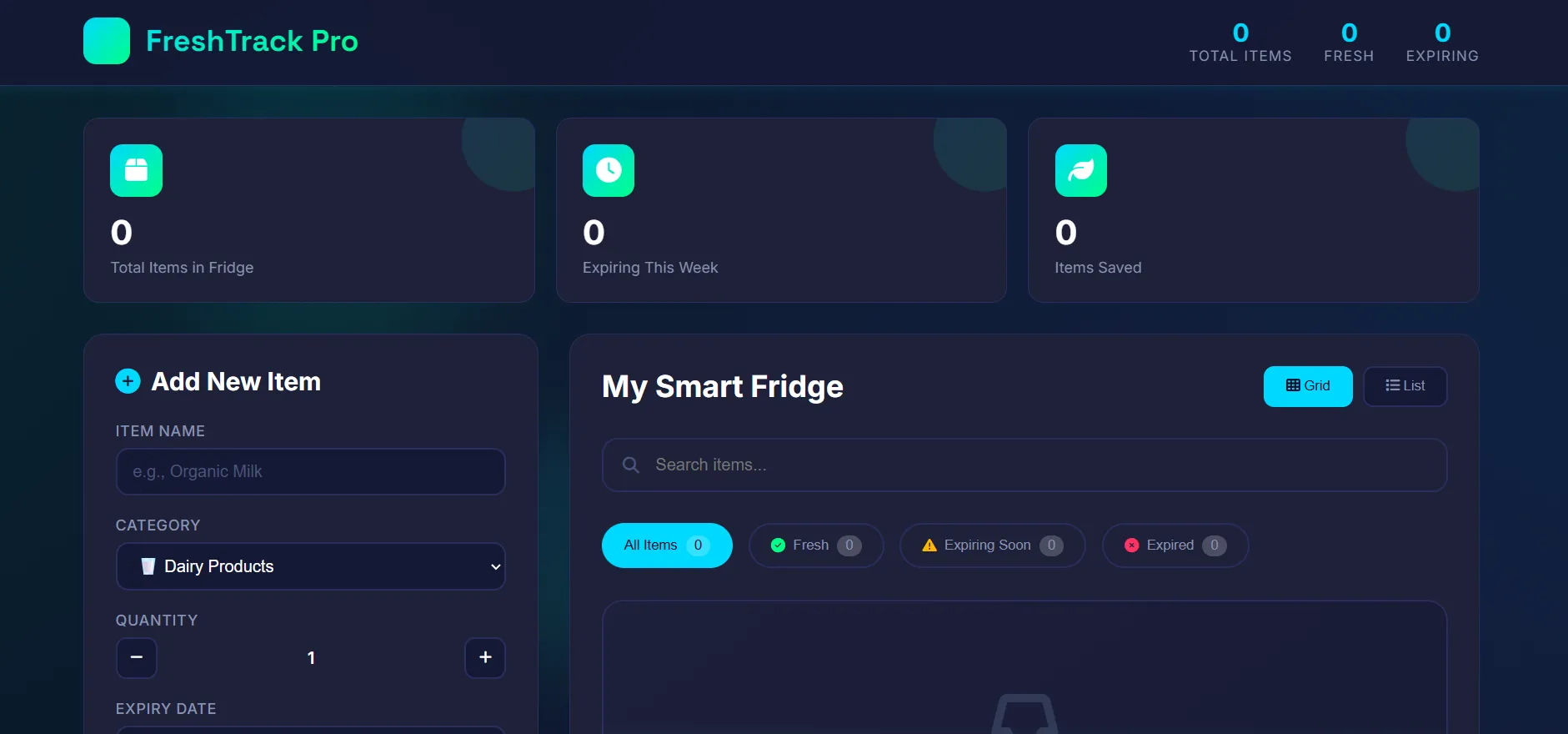 Web AppFreshTrack: Food Expiry TrackerA smart food-management system to track expiry dates, add, update and delete items while the app checks expiry automatically, online and offline.by TanishOpen the live project ↗
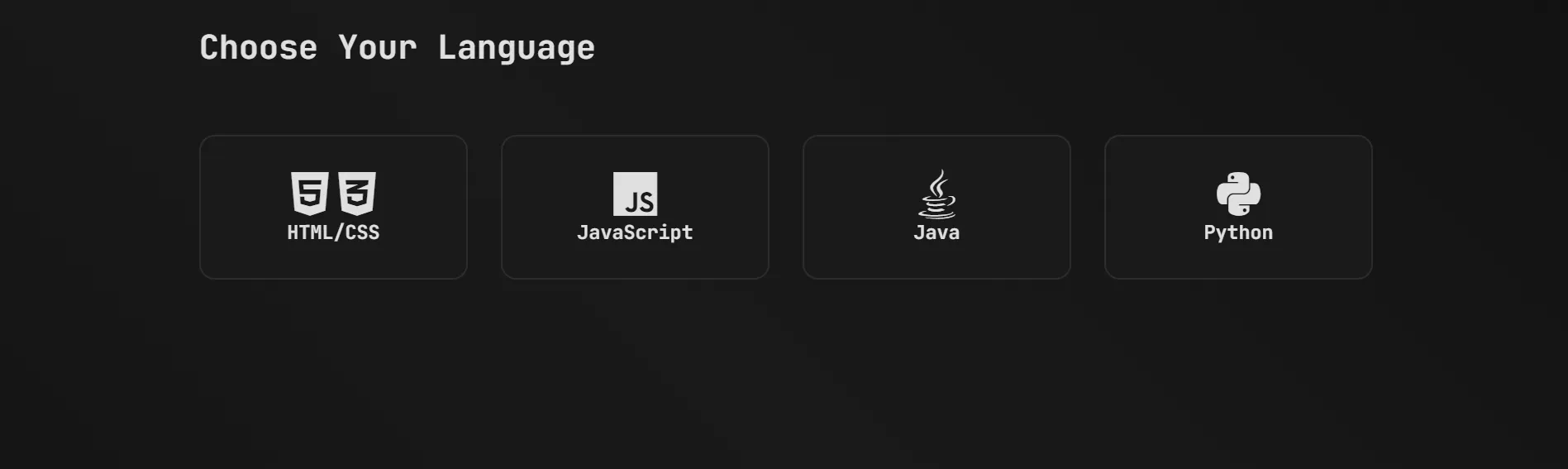 Web AppPracy: Coding Practice & Quiz PlatformAn all-in-one coding-practice site with interactive challenges, quizzes and score tracking across multiple languages to strengthen logic and problem-solving.by RohanOpen the live project ↗
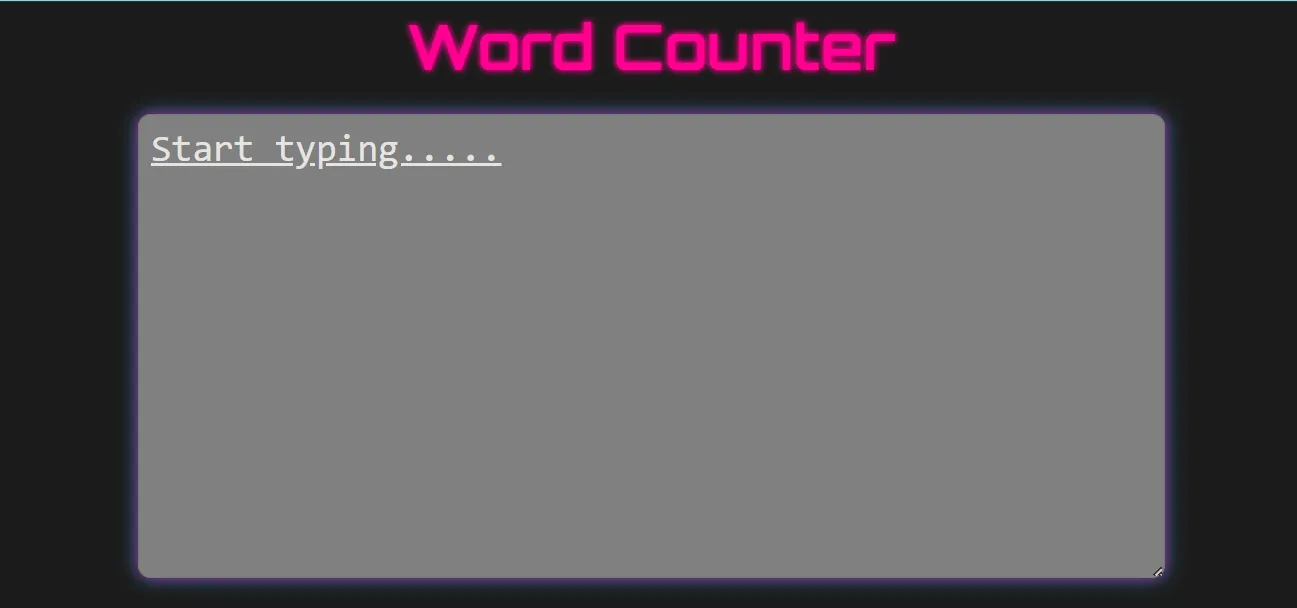 ToolWord Counter WebsiteA simple yet powerful tool that counts words, sentences and paragraphs from user input with instant, real-time results and a clean responsive interface.by VanshOpen the live project ↗