Pick the course. Start this week.
Every mentor teaches from a structured programme, adapted live to your child. Open a course to see the full syllabus and enroll in minutes, or start with a Priority Demo and let the diagnostic pick the level for you.
 Best fit
Middle School Mathematics Mastery
Ratios, negatives, algebra and geometry: the make-or-break years, taught for genuine ownership.
$100/mo group · $150/mo 1-on-1
View course & enroll
Elementary Mathematics Masterclass
Counting to advanced problem solving: number sense, fractions, geometry and word problems, built concrete-first.
$100/mo group · $150/mo 1-on-1
View course & enroll
High School Mathematics Mastery
Algebra through precalculus and calculus readiness, with exam craft for the courses that decide admissions.
$100/mo group · $150/mo 1-on-1
View course & enrollA real math catch-up program does three things a regular tutor rarely does: diagnoses backward down the grade ladder to find where solid ground actually is; rebuilds the missing ideas properly instead of re-explaining this week's homework louder; and runs two clocks at once, repairing the past while keeping your child from drowning in the present. That is what we do: 8 live one-hour classes a month with one dedicated mentor, 1-on-1 or small group, priced in your currency, Priority Demo first.
Gaps compound. That is the bad news and the good news.
Math is the most cumulative subject in school. A child who missed the fraction number line in grade 3 will struggle with equivalence in grade 4, arithmetic in grade 5, ratios in grade 6 and equations in grade 7, and at every stage the struggle will look like a new problem. Parents get told "she needs to focus on proportions" when the truth is a grade 3 idea was never built. That is how a small gap becomes three years of quiet suffering.
The good news hides in the same structure: because everything traces back, catching up almost never means relearning three years of math. It means finding the two or three load-bearing ideas that are actually missing, rebuilding those, and watching whole grade-levels of "forgotten" material snap back into place, because it was never truly missing, just disconnected.
This is why generic homework help so often fails a behind child: it teaches Tuesday's topic on top of the same air the last hundred topics were built on. The child "gets it" in the session, forgets by Friday, and everyone concludes the child is the problem. The child was never the problem. The sequence was.
Catching up is also emotional work. By the time a family searches for a program like this, the child has usually spent months collecting evidence that they are "just not a math person." Our mentors treat that belief as the first gap to repair: early, genuine wins, engineered on purpose, because a child who believes movement is possible moves twice as fast.
Nine signs a child needs catch-up, not just homework help.
Every topic is "the hard one"
When fractions, then decimals, then ratios, then equations all cause trouble, the problem is upstream of all of them.
Understands in session, gone by Friday
Tutoring that does not stick is the signature of teaching built on a missing foundation.
Grades slid over years, not weeks
A slow drift from A to C across two grades is compounding gaps, not laziness.
Basic facts still are not automatic
Hesitating on 7 × 8 in grade 6 quietly taxes every single problem on every single page.
"I'm just not a math person" is now identity
The sentence has moved from complaint to self-description. That is repairable, and urgent.
Homework requires a parent co-pilot
If nothing gets done without an adult re-teaching each step, the child is renting understanding, not owning it.
Test scores far below classwork
Classwork can be pattern-matched from the day's examples. Tests probe the foundation, and the foundation is what is missing.
School suggested "extra support"
Schools under-flag. By the time a teacher says it out loud, the gap is usually deeper than one term.
You cannot name what is actually wrong
"Just... behind" is exactly what an un-diagnosed gap feels like from the outside. Naming it is the first fix.
Three or more of these? Stop guessing. The Priority Demo maps your child against the grade ladder and names the real gaps in one hour.
Five stages, two clocks, one mentor.
The hard part of catching up is that school does not pause while you repair. We run both clocks deliberately: most of each week rebuilds the foundation, a protected slice keeps your child functional in current classwork, and the balance shifts as the foundation rises to meet the present.
Diagnose · the free first hour
We work backward down the grade ladder until we find solid ground, and name the two or three load-bearing ideas that are actually missing. You get the map in plain language.
Stabilize · weeks 1-2
Early wins on nearly-solid topics rebuild the belief that movement is possible, while triage keeps current homework survivable.
Rebuild · the core weeks
The missing ideas get taught properly, concrete first, at your child's pace, with no bell forcing us onward before they hold.
Reconnect · watching it snap back
Years of "forgotten" material get reattached to the new foundation, fast, because it was disconnected rather than absent. This is the stage parents describe as the light turning on.
Catch and pass · the goal was never "average"
Once level with the class, the same mentor keeps going. Children who catch up properly usually keep climbing, because they now own tools their classmates rent.
A real catch-up shape: the 7th grader whose problem lived in grade 4.
We tried a tutor for proportions. It did not stick."
Why the proportion tutoring failed: proportions are built on fraction equivalence. Test it: can he explain why 3/4 equals 6/8, with a picture? He cannot; he multiplies top and bottom because "that is the rule". One rung further down: can he place 3/4 and 6/8 on a number line? Shaky. There is the real floor, and it is a grade 4 idea.
Actual gap: grade 4 fraction equivalence (+ number line)
Plan: 3 weeks rebuilding equivalence with models
2 weeks re-running ratios and unit rates ON the new floor
then proportions, which now take one week instead of a failed term
The point is not this particular boy. The point is the shape: the presenting problem is almost never the actual gap, and teaching to the presenting problem is why so much tutoring money buys so little movement. Diagnose first. It is why our first hour is free.
How long catching up really takes.
Anyone who quotes a timeline before a diagnostic is guessing. But after hundreds of catch-up journeys, the shapes are predictable, and you deserve to see them before you spend a rupee or a dollar.
| Starting point | Typical arc at 2 classes/week | What it looks like |
|---|---|---|
| One term behind | 4 to 8 weeks | Usually one or two shallow gaps; repair is quick and the snap-back is fast. |
| About a year behind | One school term | Two or three load-bearing ideas missing; the two-clock rhythm matters most here. |
| Two or more years behind | Two terms, honestly | Deep rebuild, but the child feels different within a month, and that feeling carries the rest. |
| "Fine" but fragile | 4 to 6 weeks | Procedures without understanding; we attach the reasons before the next grade calls the debt. |
Monthly billing exists for exactly this reason: you commit four weeks at a time, watch the evidence, and re-decide. No packs, no year-long contracts sold on a worried evening.
Who this genuinely fits, and who it does not.
A strong fit if…
• Your child is behind on the real gaps found by diagnosis and rebuilt properly, while current classwork stays afloat, not re-drilled.
• Your child is coasting at school and needs depth and challenge before boredom becomes a habit.
• Homework has become a nightly negotiation and you want a calm expert to take over the teaching.
• You want one mentor who knows your child, not a rotating cast or an app with streaks.
Honestly not the fit if…
• Your child cannot yet engage with a screen and a teacher for a full hour. By grade 4 nearly every child can, provided the hour is genuinely interactive, and ours are.
• You want homework done for the child. We teach the child to do it, which is slower on night one and far faster by week four.
• You are looking for a test-cram sprint. Catching up is repair work; racing through it rebuilds the same cracks and we will say so.
The courses behind the tutoring.
Every mentor teaches from a structured curriculum, adapted live to your child. If you prefer to see the full syllabus before you start, these are the programmes catch-up students join.
Premium teaching. One honest price.
You are paying for a real teacher, live, for a full hour, twice a week, the same format US tutoring centers charge $300 to $450 a month for. Our cost base is global, so the price is not.
1:1 Private Mentorship
$150 / month
- 8 live one-hour classes a month, 2 per week4 live one-hour classes a month, 1 per week
- A dedicated mentor who knows your child by name
- Diagnostic-led plan against the full catch-up plan
- Class recordings for revision · cancel any time
Small-Group Class
$100 / month
- 8 live one-hour classes a month, 2 per week
- A handful of children at the same level
- Same teaching method, gentle peer energy
- Recordings included · cancel any time
That is $18.75 per dedicated hour of 1-on-1 teaching, or $12.50 in a small group. No registration fee, no contract, and you can see a full class first with a Priority Demo. Read our zero-risk promise or compare with what US math tutoring costs in 2026.
Mentors who teach the why, in classes kids wait for.
Our mentors are trained in one method: understanding before procedure, concrete before abstract, the child talking more than the teacher. They teach both maths and coding, which matters more than it sounds, because a mentor who can turn "4 groups of 6" into a game your child wants to build has engagement tools a worksheet never will.
And because the same mentor stays with your child month after month, teaching compounds. They know that your daughter rushes when unsure, that your son shuts down after two wrong answers, and exactly which idea to revisit before it becomes a gap.
"My child Dhairya is really enjoying the classes. This is his first online class, and he eagerly looks forward to it. I can see his improvement."
Sonam Oswal, mother of Dhairya · verified Google review
"My son struggled with math for years. Integrating it into coding projects has transformed his understanding and confidence. Highly recommended!"
Shewta Singh, mother of Ishan · verified Google review
Your real options for a child catching up.
| Option | Typical cost | What it really is | Best for |
|---|---|---|---|
| Modern Age Coders | $100–$150 / month | Live one-hour classes with a dedicated mentor, concrete-first teaching | Rebuilding understanding and confidence, sustained progress |
| Mathnasium center | $300-$450 / month + enrollment fee | Drop-in worksheet floor with rotating instructors | Children who focus better out of the house |
| Kumon | $150-$220 / subject / month | Daily worksheet packets, brief check-ins, no taught lessons | Building a drill habit and calculation speed |
| Local private tutor | $35-$80 / hour | Quality varies; twice-weekly quickly costs $280-$640 a month | Short-term help when you have found a gem nearby |
| Math apps | $10-$20 / month | Gamified practice, no teacher, no accountability | Casual practice between real lessons |
Competitor figures are typical published US prices as of July 2026 (tutors.com, brighterly.com). See our full comparisons: vs Mathnasium · vs Kumon · best online math tutoring 2026.
Everything worried parents ask us, answered straight.
Is my child just not a math person?
No. In hundreds of catch-up journeys we have not met a child who could not learn math when the missing foundations were found and rebuilt at their pace. "Not a math person" is what a sequence failure feels like from the inside. The belief itself is the first thing we repair, with engineered early wins, because a child who believes movement is possible moves twice as fast.
How far behind is too far to catch up?
We have not found the line yet. Deeper gaps take longer, two years behind honestly needs two terms, but the cumulative structure of math is exactly why catch-up works: fix the load-bearing ideas and whole grade-levels reconnect. The only losing move is waiting another year.
Will schoolwork suffer while you rebuild old material?
This is the two-clock problem, and we run both clocks on purpose: most of each week rebuilds the foundation, a protected slice keeps current homework survivable, and the balance shifts as the foundation rises. Parents usually see current grades stabilize within weeks, then climb as the rebuild reaches the present.
How is this different from a regular tutor?
A regular tutor teaches this week's topic. A catch-up program diagnoses backward down the grade ladder, rebuilds the actual missing ideas, and reconnects everything on top, with one mentor tracking the whole arc. It is the difference between patching a wall and fixing the foundation the wall keeps cracking over.
How will you handle my child's confidence?
Deliberately. The first weeks are engineered for wins on nearly-solid ground, mistakes are treated as information rather than verdicts, and the child explains ideas back in their own words until they hear themselves being capable. Parents tell us in our reviews about the transformation in confidence, and we consider it half the job.
How long will it take, honestly?
After the diagnostic we will tell you which shape your child is: one term behind usually means 4 to 8 weeks; a year behind, one school term; two-plus years, two terms. Anyone quoting timelines before diagnosing is guessing. Monthly billing means you re-decide every four weeks with evidence.
What does it cost?
Pricing is set for each country and shown on this page in your own currency. Group plans include 8 live one-hour classes a month and 1-on-1 plans run private weekly sessions, all billed month to month. To see a class first, book a Priority Demo. No registration fee, no packs, no long contracts sold on a worried evening.
Who teaches, and is it the same person throughout?
One dedicated mentor for the whole journey, which matters more in catch-up than anywhere else: the mentor who found the gaps is the one who rebuilds them and the one who knows when to shift the two clocks. Meet the team on our team page.
My child is embarrassed about being behind. How do classes feel?
Private, patient and judgment-free. In 1-on-1 there is no audience, and our mentors never treat a gap as a character flaw, because it is not one. Many students who arrive silent are explaining answers out loud within three weeks. That shift is the program working.
Can we try a class before enrolling?
Yes. Book a Priority Demo: a full live class of about 45 to 60 minutes, today or tomorrow, with a mentor reserved for your child. After the class the mentor sends a written skill report and a personal learning roadmap on WhatsApp. If you enrol, the demo fee is adjusted against your first month's fee.
More math help from Modern Age Coders.
Watch one full hour of real teaching. Free.
Book the demo class. Your child gets a real lesson with a real mentor, you get a diagnostic against the gap map for your child, free. If your child does not leave the hour lighter about math, walk away with our thanks.
Real student projects
What our students actually build
Every one is a real, live project shipped by a Modern Age Coders student. Explore more in Student Labs.
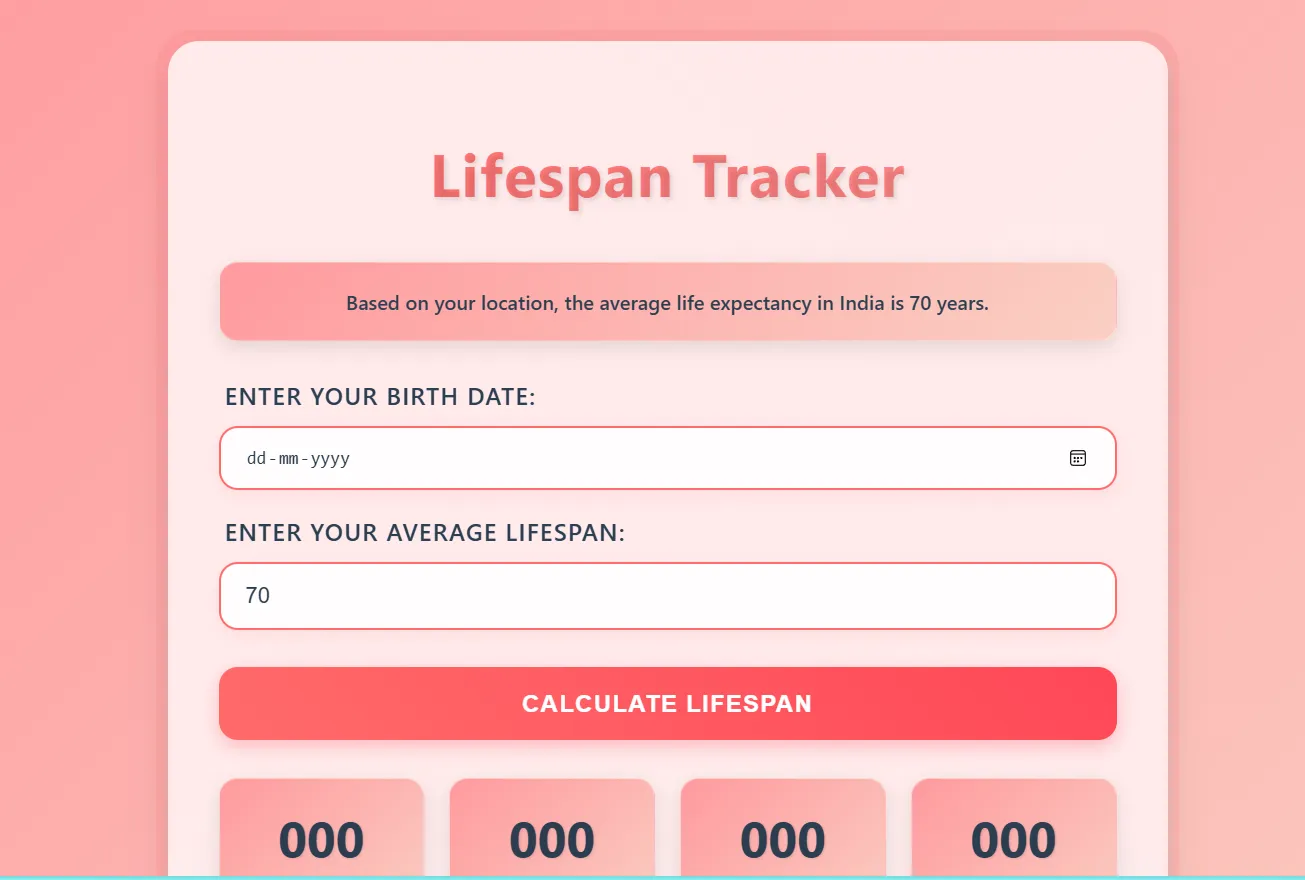 ToolLife Span TrackerAn interactive web tool that calculates expected lifespan, shows days, months and years lived, and visualises remaining time to motivate better habits.by ManayOpen the live project ↗
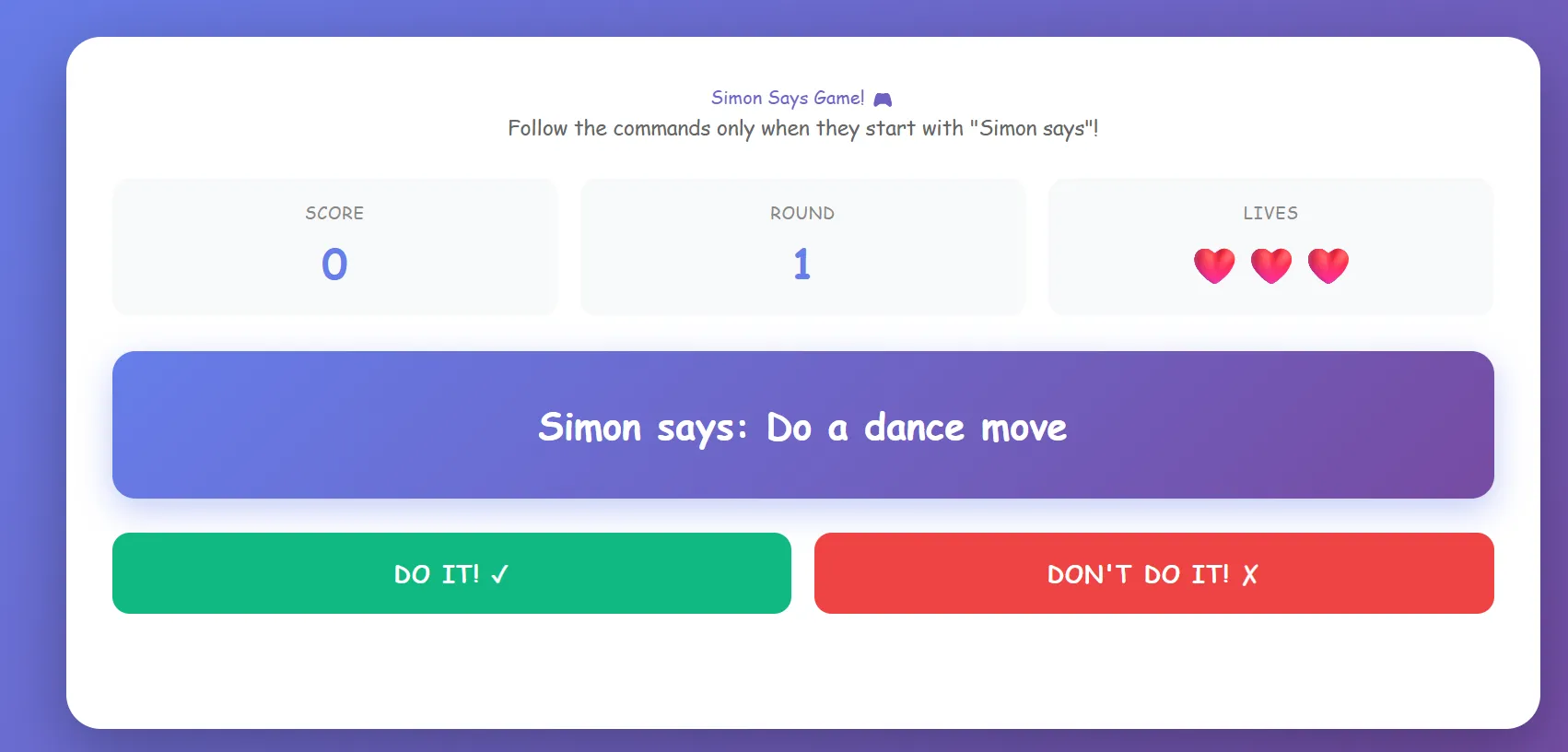 GameSimon GameA fun memory-based game where players repeat colour and sound sequences. Each level adds a new challenge, brain-boosting for kids learning logic and focus.by YashaswiOpen the live project ↗
 ToolImage Slider WebsiteA visually appealing site with a smooth image carousel, auto or manual navigation, responsive layout and beautiful transition effects.by SomrajOpen the live project ↗