CBSE Computational Thinking & AI Complete Masterclass for Teens (Class 9-12)
From CBSE AI Board Topper to Industry-Ready AI Engineer, In One Comprehensive Program
Syllabus updated August 2026
Recordings are free with a Google sign-in. These recordings show how we teach, not the exact syllabus of this course.
How long this course takes
This course runs 12-14 months (48-56 weeks), or the full Class 9-12 board track at 10-12 hours/week (2-3 live classes + practical + self-study). The range allows for background and pace: a complete beginner uses the full span, and a student with prior knowledge finishes sooner. The syllabus below is planned to the shorter end, with margin kept for revision.
For personalised duration planning, call +91 91233 66161 and we'll map a schedule to your goals.
At a glance
- Who it is for
- Complete Beginner to CBSE AI Board Topper + Industry-Ready AI Developer. Age: 13-18 years (Classes 9 to 12).
- Prerequisites
- None, we start from absolute zero. Prior Scratch/Python is a bonus.
- Format
- Live, interactive classes with a real instructor, never pre-recorded videos. Live classes run about one hour.
- Language
- English or Hindi, depending on the batch.
- Duration
- 12-14 months (48-56 weeks), or the full Class 9-12 board track
- Weekly commitment
- 10-12 hours/week (2-3 live classes + practical + self-study)
- Class size
- Group batches of 5 to 10 students, mini batches of 3 to 4, or 1-on-1.
- Certificate
- Certificate from Modern Age Coders, awarded on passing the final exam; syllabus aligned to CBSE AI 417 and 843
- Watch first
- Free recordings of real classes for ages 13 and up, free with a Google sign-in. These recordings show how we teach, not the exact syllabus of this course.
- Live demo
- Optional. Enroll directly on this page, or book a free live demo if you would like to meet a mentor first.
How we teach
Deep understanding. Real projects. Expert guidance.
Learn coding, AI and maths through careful explanations, practical demonstrations, and hands-on problem-solving. Our instructors guide you from the foundations to advanced ideas, helping you understand what happens, why it happens, and how to build it yourself.
You will explore concepts step by step, write and improve code, investigate mistakes, ask questions, and apply your knowledge to meaningful projects. Lessons are designed around active participation, thoughtful feedback, and growing independence.
Expert-led live teaching, with practical participation built into every lesson.
- Students explain their thinking.
- Instructors demonstrate, then guide practice.
- Learners code, solve, or build during lessons.
- Questions and misconceptions get attention.
- Assignments receive useful feedback.
- Progress is checked before advancing.
Ready to Master CBSE Computational Thinking & AI for Teens (Class 9-12)?
Choose your plan and start your journey into the future of technology today.
Rated 4.9 across 547 Google reviews. Enroll directly, or see a class first. The free demo is a waiting list and needs no card. Monthly billing, cancel anytime.
Try this course in a full live class, today or tomorrow.The Priority Live Demo is a real class of about 45 to 60 minutes with a mentor reserved for you. You get a written skill report afterwards, and the fee is adjusted against your first month if you enrol.
Book priority demo · ₹499International Students (Outside India)
Billed monthly in US dollars, the same price in every country. Contact us with any questions.
Program Overview
The Central Board of Secondary Education (CBSE) introduced Artificial Intelligence as an official Skill Subject (Code 417 for Class 9-10, Code 843 for Class 11-12) in response to India's urgent need for AI-ready youth. This 12-month flagship program is the definitive preparation course for every CBSE teen pursuing AI, whether as a board subject, competition pathway, or future career.
You will master the complete CBSE AI syllabus with 10x greater depth than any school offers: Employability Skills (Communication, Self-Management, ICT, Entrepreneurial, Green Skills), the complete AI Project Cycle (Problem Scoping → Data Acquisition → Data Exploration → Modelling → Evaluation), AI Domains (Data, Computer Vision, Natural Language Processing), Python programming from zero to advanced, NumPy, Pandas, Matplotlib, scikit-learn, TensorFlow, Keras, OpenCV, NLTK, Neural Networks, Convolutional Neural Networks (CNNs), Recurrent Neural Networks (RNNs), Transformers, Generative AI (ChatGPT-class text models, diffusion image models), LLM concepts, Prompt Engineering, Reinforcement Learning, AI Ethics, SDG-aligned capstone projects, and full board practical file + viva preparation.
By completion, you will have (1) scored 95+ in your CBSE AI board exam, (2) built 80+ industry-grade AI projects in your GitHub portfolio, (3) prepared for top AI Olympiads (India AI Olympiad, Intel AI Youth, Samsung Innovation Campus), and (4) positioned yourself for IIT/NIT/BITS/top universities and future AI careers earning ₹40+ LPA.
What Makes This Program Different
- 100% CBSE AI Code 417 + 843 syllabus coverage, not a single topic missed
- Separate dedicated batches for Class 9, 10, 11, and 12
- Full Employability Skills module (10% of CBSE AI marks, often neglected by schools)
- CBSE-format practical file creation with 20+ lab activities per class
- Every capstone project follows official CBSE AI Project Cycle format
- Viva voce preparation with 500+ commonly asked board questions
- Sample papers, past year papers, marking scheme analysis, topper answer sheets
- Industry-level Python, ML, DL training, goes beyond board syllabus
- GitHub portfolio of 80+ projects for college applications and internships
- Live 1-on-1 mentorship with AI engineers from Google, Microsoft, IIT alumni
- Guaranteed 95+ marks in CBSE AI board exam or 50% fee refund
- Preparation for India AI Olympiad, Intel AI Youth, Samsung Innovation Campus, MS Imagine Cup
Your Learning Journey
Career Progression
Detailed Course Curriculum
Explore the complete week-by-week breakdown of what you'll learn in this comprehensive program.
Topics Covered
- Why Employability Skills matter (10% of CBSE AI marks)
- Communication Skills: Definitions, types, importance
- Verbal vs Non-verbal communication
- Communication cycle and feedback
- Barriers to effective communication
- Writing skills, Kinds of sentences, parts of speech, tenses
- Basic English grammar for CBSE AI
- Self-Management Skills: Introduction
- Stress management & working independently
- Self-awareness, self-motivation, self-regulation
- Goal setting, SMART goals framework
- Time management techniques
Projects You Build
- Write a 500-word reflective essay on 'AI in my life'
- Create a SMART goals worksheet for the AI course
- Group presentation: 'Barriers to communication in AI teams'
Practice & Assignments
Daily vocabulary + communication drills
Topics Covered
- ICT Skills: Introduction to computers
- Basic ICT operations: files, folders, shortcuts
- Operating system basics (Windows/Ubuntu)
- Internet, email, search, cloud basics
- Entrepreneurial Skills: Introduction
- Qualities and functions of entrepreneurs
- Myths about entrepreneurship
- Green Skills: Introduction & importance
- Sustainable development & SDGs
- Green economy & green jobs
- Digital ethics and cyber safety
- Password management, phishing awareness
Projects You Build
- Set up a cloud backup of your AI work (Google Drive)
- Interview a local entrepreneur (1-page report)
- Green AI poster, connect 3 SDGs to AI
Practice & Assignments
Daily ICT skill drill (typing, shortcuts, productivity)
Topics Covered
- Definition of AI, CBSE official definition
- History & evolution of AI (1950-2026 timeline)
- AI, ML, DL, the Venn diagram
- Types of AI: Narrow AI, General AI, Super AI
- Types by functionality: Reactive, Limited Memory, Theory of Mind, Self-Aware
- AI in everyday life: 20 real examples
- Domains of AI: Data Science, Computer Vision, NLP (detailed)
- Is this AI? Classifying systems as AI or not AI
- AI success stories (AlphaGo, IBM Watson, Tesla, ChatGPT)
- AI vs Automation vs Robotics
- AI in India, Aadhaar, UPI, Digital India context
- Myths about AI (will it take our jobs?)
Projects You Build
- AI Spotter, identify 50 AI systems in daily life
- AI Timeline infographic (Canva)
- Debate: 'Narrow AI vs General AI, will we ever reach AGI?'
Practice & Assignments
CBSE textbook Unit 1 MCQs + short answer
Topics Covered
- The 5-stage AI Project Cycle (official CBSE framework)
- Stage 1: Problem Scoping with 4Ws (Who, What, Where, Why)
- Stakeholder identification and needs assessment
- SDG alignment, mandatory in CBSE AI
- Stage 2: Data Acquisition, sources, types, ethics
- Structured vs Unstructured data
- Stage 3: Data Exploration, EDA basics
- Stage 4: Modelling, Rule-based vs Learning-based
- Learning-based: Supervised, Unsupervised, Reinforcement
- Stage 5: Evaluation metrics introduction
- Iteration and deployment
- CBSE-format AI Project Report template
Projects You Build
- Apply the full 5-stage Project Cycle to a real school problem
- Write a 10-page CBSE-format AI Project Report
- Present project in board-exam viva style
Practice & Assignments
Solve 3 past-year Project Cycle questions daily
Topics Covered
- Why Python for AI, CBSE recommendation
- Python installation (Anaconda, Thonny, VS Code)
- Google Colab for free GPU access
- Jupyter Notebook basics
- Variables, data types (int, float, string, bool)
- Operators (arithmetic, comparison, logical, bitwise)
- Input/output statements
- Type conversion and type checking
- Strings, indexing, slicing, methods
- Python standard library intro
- Running first CBSE-syllabus Python programs
- Writing clean, commented code
Projects You Build
- BMI Calculator
- Temperature converter
- Interactive quiz on AI concepts
Practice & Assignments
Daily 10 Python programs from CBSE textbook + Sumita Arora
Topics Covered
- If-elif-else (nested conditionals)
- For loop (with range, enumerate)
- While loop (with break, continue)
- Nested loops
- Lists, full mastery (methods, comprehensions)
- Tuples, immutable sequences
- Dictionaries, key-value storage
- Sets, unique collections
- List vs Tuple vs Dict vs Set, CBSE comparison table
- Functions, def, parameters, return, scope
- Lambda functions
- Recursion (introductory)
Projects You Build
- To-Do List application
- Contact Book with dictionaries
- Password generator
Practice & Assignments
50 Python programs on control flow
Topics Covered
- NumPy introduction, why arrays
- Creating arrays (1D, 2D, 3D)
- Array operations, broadcasting, indexing
- NumPy vs Python list, performance
- Pandas Series & DataFrame
- Reading CSV, Excel, JSON files
- DataFrame indexing, selection, filtering
- Handling missing data
- Grouping, aggregation, merging
- Pandas for CBSE Informatics Practices (supplementary)
- Real dataset exploration, government datasets
- data.gov.in & Kaggle intro for teens
Projects You Build
- Analyze India's air pollution dataset (Pandas)
- Cricket stats analysis
- Exam performance data dashboard
Practice & Assignments
Daily Pandas challenges
Topics Covered
- Why visualize data, CBSE exam context
- Matplotlib basics (pyplot interface)
- Line, bar, pie, scatter, histogram, box plots
- Customizing plots (titles, labels, legend)
- Subplots and figures
- Seaborn introduction, statistical plots
- Heatmaps, pair plots, violin plots
- Plotly for interactive charts
- Design principles of good visualization
- Common mistakes in visualization
- CBSE sample viva questions on visualization
- Exporting plots to reports
Projects You Build
- COVID-19 India data visualization
- Climate change visualization portfolio
- Student performance visualization for school
Practice & Assignments
Daily chart-making from random datasets
Topics Covered
- What is Data Science? (CBSE definition)
- Data Science project cycle (application of AI Project Cycle)
- Data Acquisition: Surveys, sensors, web scraping, APIs
- Data Exploration: Descriptive statistics (mean, median, mode, SD)
- Data cleaning (handling NaN, duplicates, outliers)
- Feature engineering basics
- Simple linear regression (concept)
- Classification with decision trees
- Orange Data Mining advanced
- K-Nearest Neighbors intro
- Predictive analytics in business
- Case study: Cricket stats, BSE Sensex, weather forecasting
Projects You Build
- Predict student marks from study hours (linear regression)
- Classify emails as spam/ham
- Stock price trend analysis
Practice & Assignments
3 full Data Science projects
Topics Covered
- What is Computer Vision? (CBSE definition)
- Applications: Medical imaging, self-driving cars, face unlock, CCTV
- How images are stored, pixels, RGB, grayscale
- Image processing fundamentals
- OpenCV introduction (industry-standard library)
- Image reading, display, resizing, cropping
- Filters: blur, sharpen, edge detection
- Face detection using Haar Cascades
- Basic object detection
- Teachable Machine advanced (10+ class classifiers)
- CNN intuition (pre-deep learning)
- Ethics of CV, surveillance, deepfakes, bias
Projects You Build
- Face detector using OpenCV
- Mask detector (post-COVID era)
- Custom image classifier with Teachable Machine + Python
Practice & Assignments
OpenCV daily challenge
Topics Covered
- What is NLP? (CBSE definition)
- Applications: Chatbots, translation, sentiment analysis, voice assistants
- Chatbots: Rule-based vs AI-based (Script Bot vs Smart Bot)
- Human language vs computer language, the gap
- Text processing: tokenization, stemming, lemmatization
- Stopwords removal
- Bag of Words model (CBSE Class 10 mandatory topic)
- TF-IDF introduction
- Sentiment analysis using Python
- NLTK library basics
- Chatbot building with Dialogflow + Python
- Regional language NLP (Hindi, Tamil, Bengali), Bhashini
Projects You Build
- Mental health chatbot (Dialogflow + Python)
- Product review sentiment analyzer
- Hindi-English translator app
Practice & Assignments
NLP text processing drills
Topics Covered
- Human brain vs artificial neural network
- Neuron, biological and artificial
- Perceptron model
- Activation functions (Sigmoid, ReLU, Tanh)
- Input, hidden, output layers
- Forward propagation (intuition)
- Loss function basics
- Backpropagation (intuition, not calculus)
- Gradient descent (kid-friendly explanation)
- Types of NN: Feedforward, CNN, RNN (brief)
- Hands-on: Perceptron in Python from scratch
- Hands-on: Simple NN in Keras/TensorFlow
Projects You Build
- Build a perceptron from scratch (OR/AND/XOR gates)
- Train a simple NN on MNIST digits
- Compare NN accuracy with vs without hidden layer
Practice & Assignments
NN concept MCQs daily
Topics Covered
- CBSE AI Board exam structure
- Theory paper (70 marks) breakdown
- Practical exam (30 marks) breakdown
- Practical file, 10 mandatory activities
- CBSE AI project report format
- Viva voce, common questions
- Topper answer sheet analysis
- Marking scheme understanding
- Time management in exam
- Common mistakes to avoid
- Mock practical exam
- Mock viva session
Assessment
CBSE AI 417 board-aligned preparation
Topics Covered
- Kaggle competition walkthrough
- Feature engineering deep dive
- Handling categorical variables (one-hot, label encoding)
- Train-test split, cross-validation
- Regression: Linear, Polynomial, Ridge, Lasso
- Classification: Logistic Regression, SVM, Decision Trees, Random Forest
- Clustering: K-Means, Hierarchical, DBSCAN
- Model evaluation: accuracy, precision, recall, F1, ROC-AUC
- Hyperparameter tuning (GridSearchCV, RandomizedSearchCV)
- Model deployment basics (Streamlit, Flask)
- MLOps concepts for teens
- Real-world case studies from Indian startups
Projects You Build
- House price prediction (Kaggle-level)
- Titanic survival predictor
- Customer churn classifier
Practice & Assignments
1 Kaggle micro-competition weekly
Topics Covered
- OpenCV deep dive
- Face detection + recognition pipelines
- Object tracking
- CNN architecture deep dive (LeNet, VGG, ResNet)
- Transfer learning (use pre-trained models)
- Image augmentation
- Training custom CNN in Keras
- MobileNet, YOLO for real-time detection (intro)
- Medical imaging projects
- Agricultural CV (crop disease detection)
- Traffic monitoring AI
- Ethics: privacy + surveillance trade-offs
Projects You Build
- Real-time face mask detector
- Crop disease detection (leaf image classifier)
- Traffic sign recognizer for self-driving
Practice & Assignments
Daily OpenCV + Keras exercises
Topics Covered
- Text preprocessing pipeline
- Word embeddings: Word2Vec, GloVe
- Advanced sentiment analysis
- Named Entity Recognition (NER)
- Topic modeling (LDA)
- Chatbot engineering with Rasa
- Voice assistants with SpeechRecognition + pyttsx3
- Language translation APIs
- Fine-tuning transformer models (intro)
- Hugging Face transformers library intro
- CBSE AI NLP advanced questions
- Multilingual NLP for Indian languages (Bhashini)
Projects You Build
- Multilingual voice assistant (Hindi + English)
- Advanced sentiment dashboard for Twitter/X
- Resume parser using NER
Practice & Assignments
Daily NLP project
Topics Covered
- What is Generative AI, GANs, VAEs, Diffusion, Transformers
- ChatGPT / frontier models (GPT-class, Claude-class, Gemini-class), how they work
- Prompt Engineering fundamentals
- Advanced prompting: few-shot, chain-of-thought, tree-of-thought
- Image generation: how diffusion models work, hands-on with teen-legal tools (Adobe Firefly, Bing Image Creator)
- Text-to-video models explained (Sora-class), concept and implications generation
- LangChain framework introduction
- Building RAG (Retrieval-Augmented Generation) apps
- API integration: OpenAI, Anthropic, Google
- Fine-tuning LLMs for specific tasks
- Ethics of GenAI: hallucinations, copyright, misinformation
- Future of AI work, GenAI native careers
Projects You Build
- Build a custom AI tutor using ChatGPT API + LangChain
- Generate a visual storybook with AI (prompts + Adobe Firefly)
- RAG chatbot over your school's PDF notes
Practice & Assignments
Daily prompt engineering journal
Topics Covered
- Complete Unit-wise revision (Units 1-8)
- Chapter-wise MCQ marathon
- Short answer questions bank (100+)
- Long answer questions bank (50+)
- Case study questions mastery
- Last 5 years' board papers, full solution walkthrough
- Topper answer sheet analysis
- Examiner's marking perspective
- Time management strategies
- Common trap questions
- Pre-board simulated exams
- Answer-writing technique
Practice & Assignments
Daily 1 mock paper + analysis
Topics Covered
- CBSE AI project cycle, full application
- Stakeholder interviews in your community
- Data collection, ethical and valid
- Model building, choose appropriate algorithm
- Evaluation with real metrics
- CBSE-format 15-page report writing
- Demo video production
- Viva rehearsal with external expert
- Practical file: 10+ mandatory lab activities with code, output, interpretation
- File binding & formatting per CBSE standard
- Examiner FAQs preparation
- Submission checklist
Practice & Assignments
Advance your capstone at home: conduct two stakeholder interviews, log the data you collected and note one ethics safeguard you applied.
Topics Covered
- Full 3-hour mock board exam
- Detailed paper analysis
- Score vs target gap identification
- Improvement plan
- Entering competitions: CBSE AI Hackathon, Intel AI Youth, Samsung Innovation, MS Imagine
- Registration support
- Team formation
- Project pitching
Assessment
CBSE AI Class 10 (Code 417) Board Ready Certification
Topics Covered
- Amartya Sen's Capability Approach, foundation of modern AI ethics
- Functionings vs Capabilities
- Human development vs economic growth
- Role of AI in expanding human capabilities
- 17 UN Sustainable Development Goals, deep dive
- AI for each SDG, 17 detailed case studies
- Measuring impact and outcomes
- SDG alignment in AI projects (mandatory CBSE practice)
- India's SDG progress and AI role
- Responsible innovation frameworks
- AI-for-Good case studies: Aravind Eye, eSanjeevani, Swasth
- Designing SDG-centered AI projects
Projects You Build
- Research paper: 'AI + SDG of my choice'
- AI project directly solving one SDG
- SDG impact measurement framework
Practice & Assignments
Pick one UN Sustainable Development Goal, find a real AI project addressing it and write a half page note linking it to Sen's capability approach.
Topics Covered
- Advanced communication for AI teams
- Scientific writing for AI papers
- Presentation skills for AI demos
- AI review, from Class 9-10 recap to Class 11+ depth
- History of AI revisited (LISP, Expert Systems, Deep Learning boom)
- Python foundational advanced: OOP (classes, objects, inheritance, polymorphism)
- File handling (text, binary, CSV)
- Exception handling (try-except-finally)
- Python modules and packages
- Virtual environments, pip, conda
- Jupyter vs VS Code vs Colab workflows
- Git and GitHub for version control
Projects You Build
- Build a Python library (published to PyPI)
- Git-managed group AI project
- Technical blog post on an AI topic
Practice & Assignments
Record a three minute AI demo presentation of any past project, then solve five Python refresher exercises on lists, dicts and functions.
Topics Covered
- Data literacy in the age of AI
- Data collection methods (primary, secondary)
- Descriptive statistics (full coverage)
- Inferential statistics intro (hypothesis testing)
- Probability for AI (Bayes, conditional, joint, marginal)
- Probability distributions (Normal, Binomial, Poisson)
- Advanced visualization (Seaborn, Plotly, Bokeh)
- Dashboards with Streamlit & Power BI basics
- Storytelling through data (CBSE emphasis)
- Data ethics and privacy (GDPR, DPDP Act 2023)
- Open datasets for Indian context
- A/B testing basics
Projects You Build
- Complete Streamlit dashboard on a social issue
- Statistical analysis paper (school topic)
- Power BI dashboard for school data
Practice & Assignments
Collect a small primary dataset of at least 20 rows from your class or home, compute mean, median, mode and standard deviation, and plot two charts that tell its story.
Topics Covered
- scikit-learn, industry-standard ML framework
- TensorFlow 2.x overview
- Keras high-level API
- PyTorch introduction
- Open-source AI ecosystem
- Cloud AI platforms (Google Cloud AI, AWS SageMaker, Azure ML)
- AutoML tools
- Comparing frameworks, when to use which
- Setting up complete AI dev environment
- Containerization (Docker basics)
- Model serialization (pickle, joblib, ONNX)
- API deployment with Flask/FastAPI
Projects You Build
- Same ML problem solved in scikit-learn, Keras, PyTorch
- Deploy an ML model as REST API
- Docker-containerized AI app
Practice & Assignments
Recreate the same simple classifier in both scikit-learn and Keras and note two differences in the workflow.
Topics Covered
- Image processing fundamentals (full)
- OpenCV mastery
- Convolutional Neural Networks (CNN) from scratch
- CNN architectures: LeNet, AlexNet, VGG, ResNet, Inception
- Transfer learning deep dive
- Object detection: R-CNN, YOLO, SSD
- Semantic segmentation (U-Net intro)
- Face recognition with deep learning
- Optical Character Recognition (OCR)
- Video processing and action recognition
- CV for autonomous vehicles
- CV ethics: facial recognition debate
Projects You Build
- YOLO-based real-time object detector
- Attendance system with face recognition
- Sign language recognizer
Practice & Assignments
Fine tune a pre-trained CNN on a small image dataset using transfer learning and log its accuracy against your from scratch baseline.
Topics Covered
- ML lifecycle end-to-end
- Supervised: Regression (Linear, Polynomial, Logistic)
- Supervised: Classification (SVM, kNN, Decision Tree, Random Forest, Gradient Boosting, XGBoost)
- Unsupervised: Clustering (K-Means, DBSCAN, Hierarchical)
- Unsupervised: Dimensionality reduction (PCA, t-SNE, UMAP)
- Semi-supervised and self-supervised intro
- Reinforcement Learning concepts (Q-learning, policy gradient intro)
- Feature engineering advanced
- Handling imbalanced datasets
- Bias-variance trade-off
- Cross-validation strategies
- Ensemble learning (bagging, boosting, stacking)
Projects You Build
- Complete Kaggle competition submission
- Ensemble model for a Sensex prediction
- Clustering for Indian consumer segmentation
Practice & Assignments
Train three classifiers, kNN, decision tree and random forest, on one dataset and compare them in a confusion matrix table.
Topics Covered
- Data storytelling frameworks
- Tufte principles of graphical excellence
- Narrative structures for AI insights
- Tableau basics
- Power BI basics
- Dashboard design principles
- Infographics creation
- Presentation design (slides.com, Pitch)
- Public speaking for data presentations
- TED-talk style AI presentations
- Video storytelling
- Blog/Medium article writing on AI insights
Projects You Build
- Tableau dashboard on social issue
- Medium blog with 1000+ words AI insights
- 7-minute TEDx-style AI talk (recorded)
Practice & Assignments
Turn one of your model results into a three chart data story in Tableau or Power BI with a headline insight above each chart.
Topics Covered
- Full syllabus revision (8 units)
- Sample papers (5 complete)
- Chapter-wise question bank
- Case study questions
- Board-style long answers
- Topper strategy sessions
- Mock pre-board exam (3-hour, CBSE format)
- Examiner feedback simulation
- Weakness identification + gap filling
- Final revision checklist
- Day-before-exam strategy
- Stress management techniques
Practice & Assignments
Daily mock paper + detailed review
Topics Covered
- Class 11 AI capstone project (industry-grade)
- GitHub portfolio curation
- Competition submissions (Intel AI Youth, Samsung, MS)
- College application readiness (for Class 11 students preparing for Class 12)
- Internship pitching to startups
- Building a personal brand
Practice & Assignments
Polish your capstone README and GitHub portfolio page, then draft one competition submission entry such as Intel AI Youth.
Topics Covered
- Advanced presentation skills
- Writing scientific reports
- Tech interview communication
- Self-management for high-performers
- Stress & time management
- Entrepreneurial mindset in AI
- Indian AI startup ecosystem (YC India, NASSCOM, T-Hub)
- Founding team skills
- MVP building
- Pitching to VCs
- Business Model Canvas for AI startups
- IP and patent basics
Projects You Build
- Founder's Deck for a hypothetical AI startup
- Interview for placement simulation (recorded)
- Business Model Canvas for final project
Practice & Assignments
Draft a one page personal pitch covering who you are, your best AI project and your goal, then rehearse it aloud twice against a timer.
Topics Covered
- CBSE Class 12 AI Capstone guidelines
- Problem scoping with 4Ws (advanced)
- Full AI Project Cycle, executed in 8-10 weeks
- Literature review for AI projects
- Data acquisition (primary + secondary)
- Feature engineering + model building
- Evaluation with appropriate metrics
- Deployment (Streamlit, Flask, Hugging Face Spaces)
- CBSE-format 30-page report
- Demo video production
- Rehearsal + submission
- Viva-voce mastery
Practice & Assignments
Write the official capstone problem scoping document using the 4Ws canvas plus a literature list of at least three sources.
Topics Covered
- Advanced statistics for AI
- Time series forecasting (ARIMA, Prophet)
- Anomaly detection
- Bayesian methods
- A/B testing at scale
- Big data processing basics (Dask, Spark intro)
- MLOps introduction
- Model monitoring and drift
- Responsible AI practices
- Indian data regulations (DPDP Act)
- GDPR compliance basics
- Ethical data collection in India
Projects You Build
- Stock price forecasting (ARIMA + Prophet)
- Fraud detection pipeline
- MLOps mini-project with monitoring
Practice & Assignments
Build a time series forecast on a public dataset with ARIMA or Prophet and report one place where the model breaks down.
Topics Covered
- Deep Learning theory deep dive
- Backpropagation mathematics
- Optimizers (SGD, Adam, RMSprop)
- Regularization (dropout, batch norm, L1/L2)
- CNN advanced architectures (EfficientNet, Vision Transformers)
- RNN, LSTM, GRU for sequences
- Sequence-to-Sequence models
- Attention mechanism intuition
- Training deep networks on GPU (Colab Pro/Kaggle)
- Transfer learning best practices
- Model compression (quantization, pruning)
- Edge AI, running models on phones/IoT
Projects You Build
- ImageNet-style classifier (transfer learning)
- Stock price LSTM predictor
- Speech command recognizer
Practice & Assignments
Train the same network twice, with and without dropout and batch normalization, and chart how the validation curves differ.
Topics Covered
- Transformer architecture (Attention is All You Need)
- BERT, GPT, T5 explained
- The LLM landscape: GPT-class, Claude-class, Gemini-class and open-weight Llama-class
- RLHF (Reinforcement Learning from Human Feedback)
- Fine-tuning LLMs (LoRA, QLoRA)
- Building RAG systems
- LangChain + LlamaIndex
- Vector databases (Pinecone, Chroma)
- Hugging Face ecosystem mastery
- Multimodal AI (frontier vision-language models)
- Agent-based AI (modern agent frameworks, surveyed honestly)
- Ethics of LLMs (hallucination, alignment, safety)
Projects You Build
- Fine-tuned LLM for specific Indian-language task
- RAG chatbot on personal knowledge base
- Multimodal AI app (image + text)
Practice & Assignments
Run a small experiment comparing zero shot and few shot prompts on the same task across two LLMs, and tabulate the results.
Topics Covered
- Full 6-unit revision
- 10 CBSE Class 12 AI sample papers (completely solved)
- Last 5 years board papers
- Case studies and long answers
- MCQ marathon
- Topper answer sheets analysis
- Viva-voce drills
- Practical file finalization (20+ activities)
- Capstone project final rehearsal
- Pre-board exam (3-hour full paper)
- Detailed feedback and improvement
- Day-before-exam strategy
Practice & Assignments
2 mock papers daily
Topics Covered
- CBSE AI viva voce question bank (500+ questions)
- Board examiner perspective
- Confidence building
- Practice viva with external AI experts
- Backup plans for difficult questions
- Final document check
- Stress management on exam day
- Last-minute revision strategy
- Healthy habits during board exams
- Post-board college application readiness
Practice & Assignments
Answer 20 questions from the viva bank aloud under exam conditions and mark the five that need another revision pass.
Topics Covered
- B.Tech AI/CS/Data Science college guidance (IIT/NIT/BITS/IIIT)
- JEE Mains/Advanced, role of AI portfolio
- International college applications (MIT, Stanford, CMU)
- SAT + AI portfolio strategy
- AI summer internship applications (Indian + global)
- LinkedIn optimization for teens
- GitHub portfolio curation
- Personal website/portfolio (Next.js)
- Cold outreach to AI companies
- Interview preparation (technical + HR)
- Negotiating your first internship
- Long-term AI career roadmap
Practice & Assignments
Shortlist five target colleges or internships and map which portfolio project you would lead with for each application.
Topics Covered
- Full skill assessment
- Final certification ceremony
- Alumni community induction (lifetime)
- Access to alumni-only job board
- Mentor-for-life allocation
- Community contribution pathways
- Giving back, teach the next batch
- Continuous learning roadmap (post-Class 12)
Assessment
FINAL EXAM: a board-style paper plus a practical build, with questions mixed from the whole syllabus. Passing earns the certificate; a student who falls short gets a focused revision plan and a free retest
Projects You'll Build
Build a professional portfolio with 50+ projects real-world projects.
Weekly Learning Structure
Certification & Recognition
Technologies & Skills You'll Master
Comprehensive coverage of the entire modern web development stack.
Support & Resources
Career Outcomes & Opportunities
Transform your career with industry-ready skills and job placement support.
Prerequisites
Who Is This Course For?
Career Paths After Completion
Course Guarantees
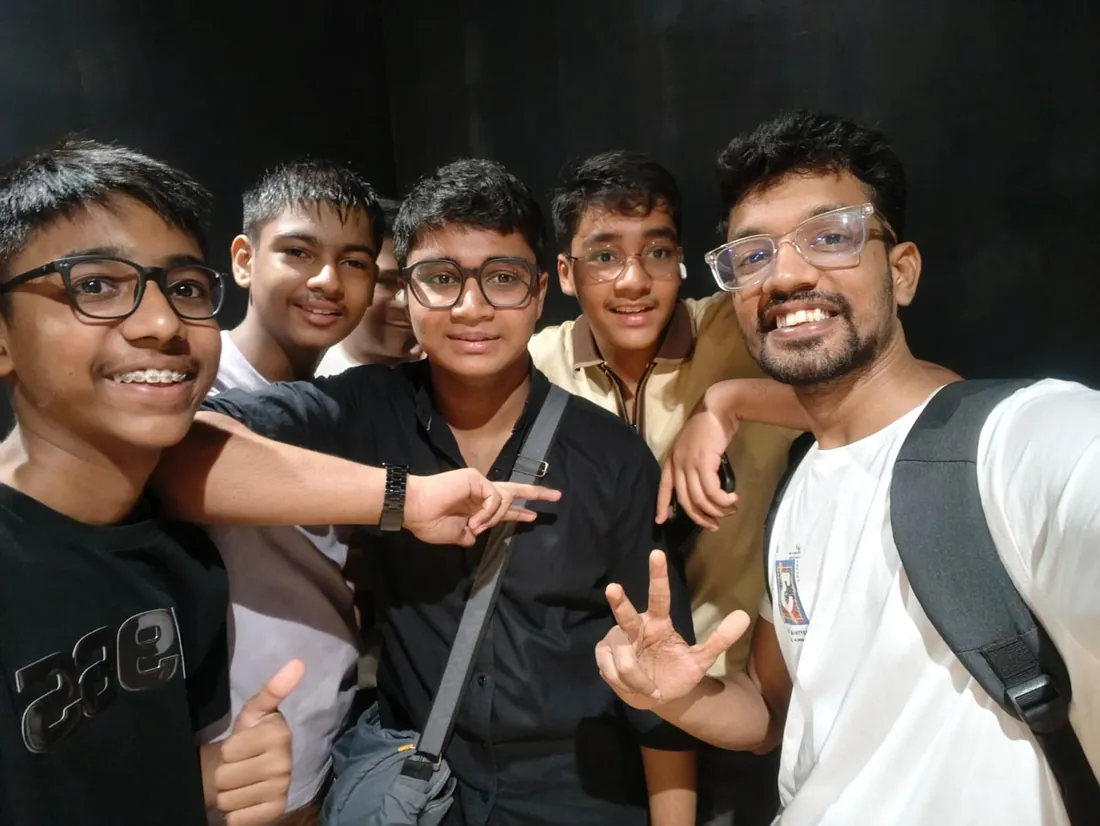
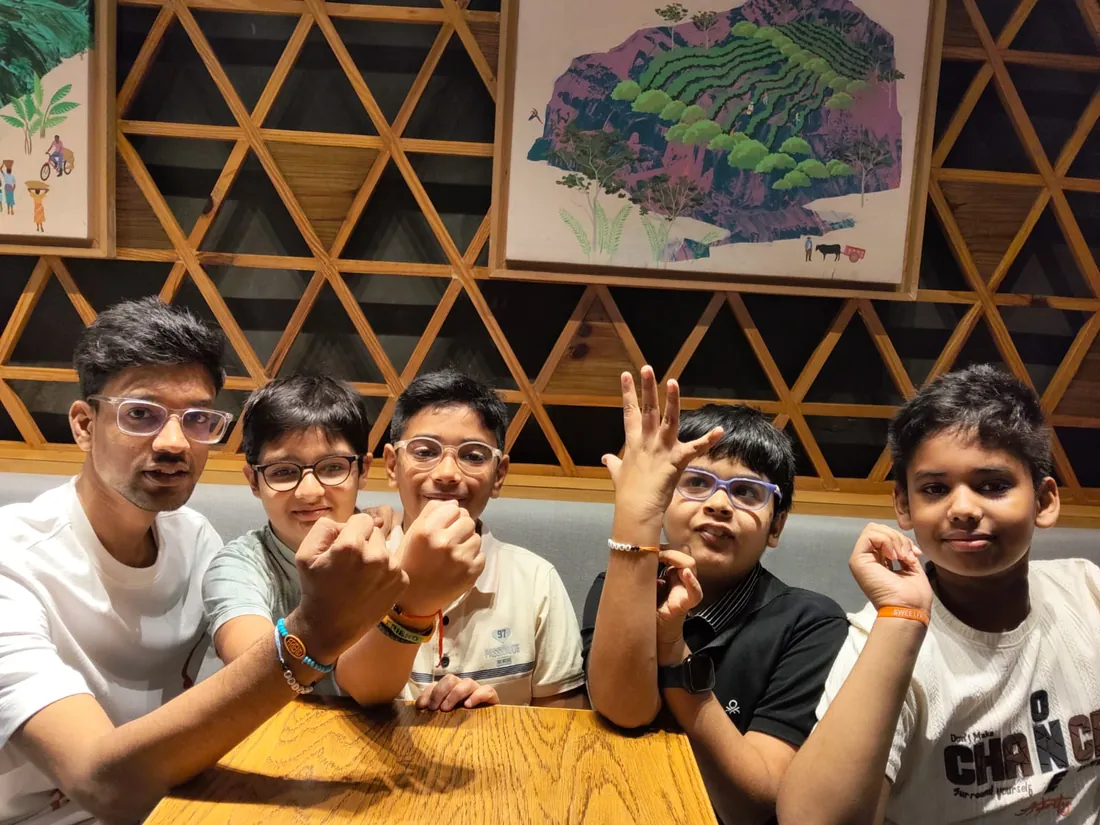
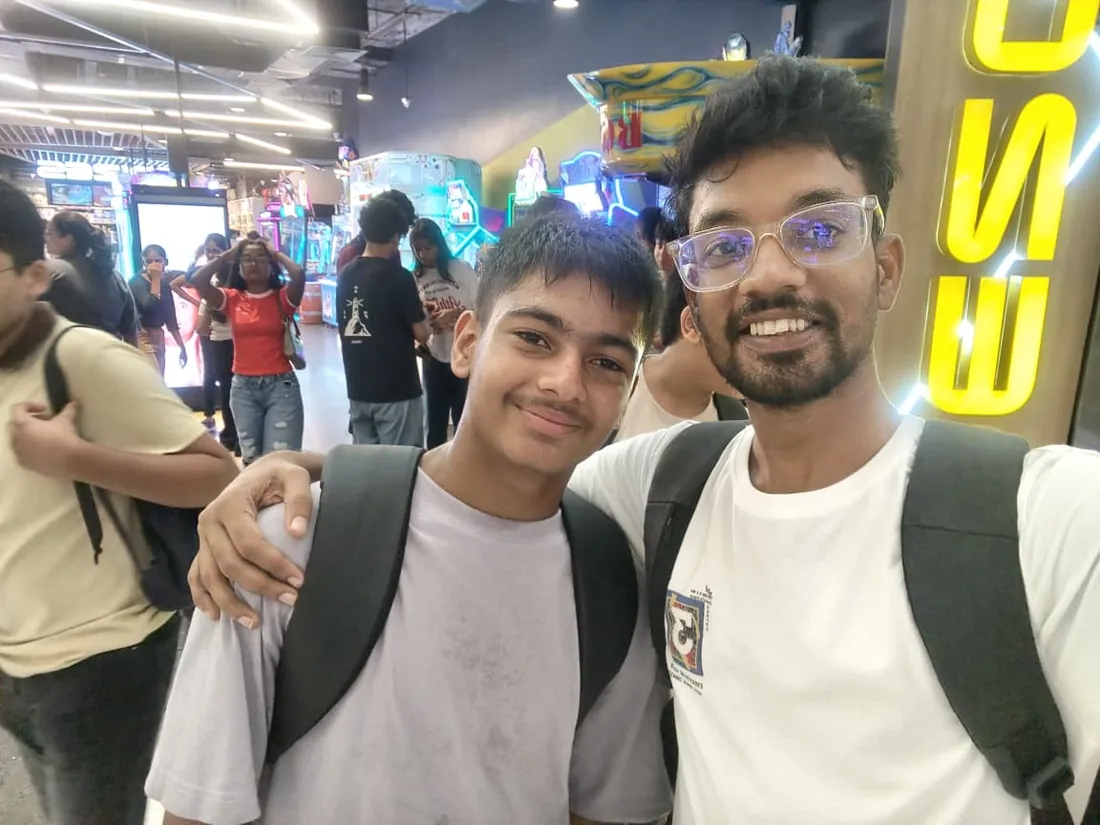
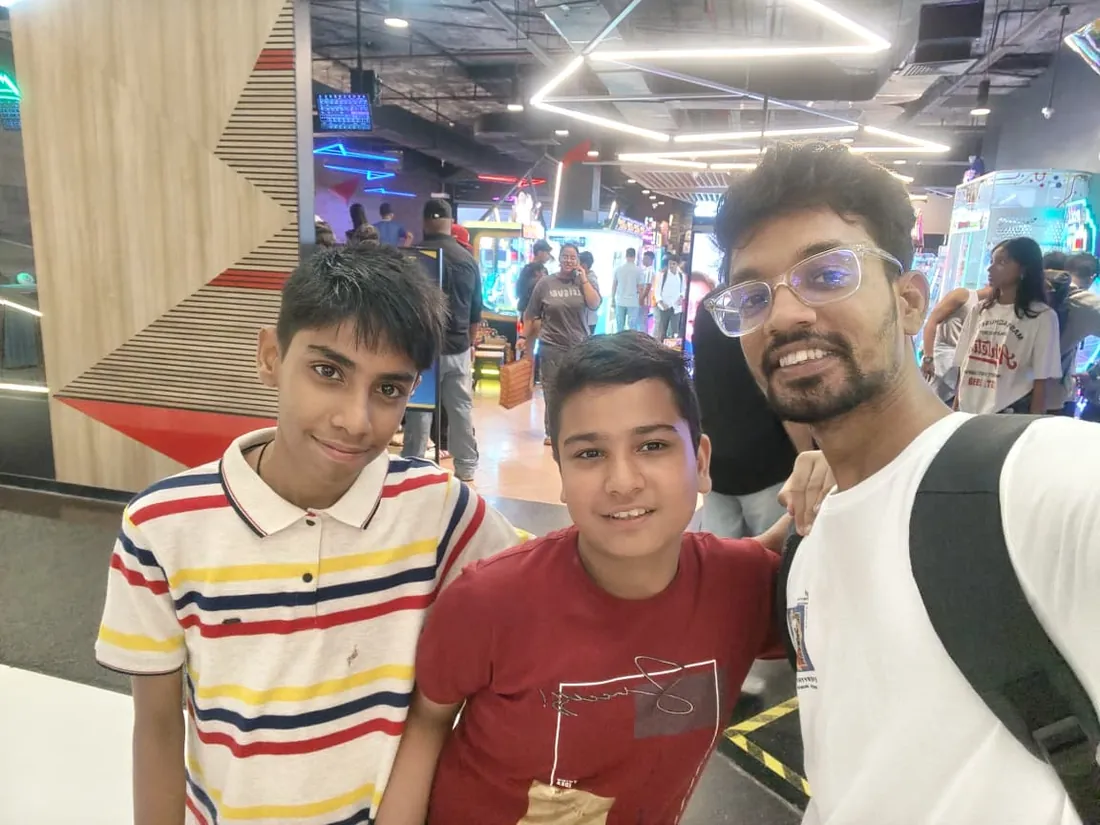
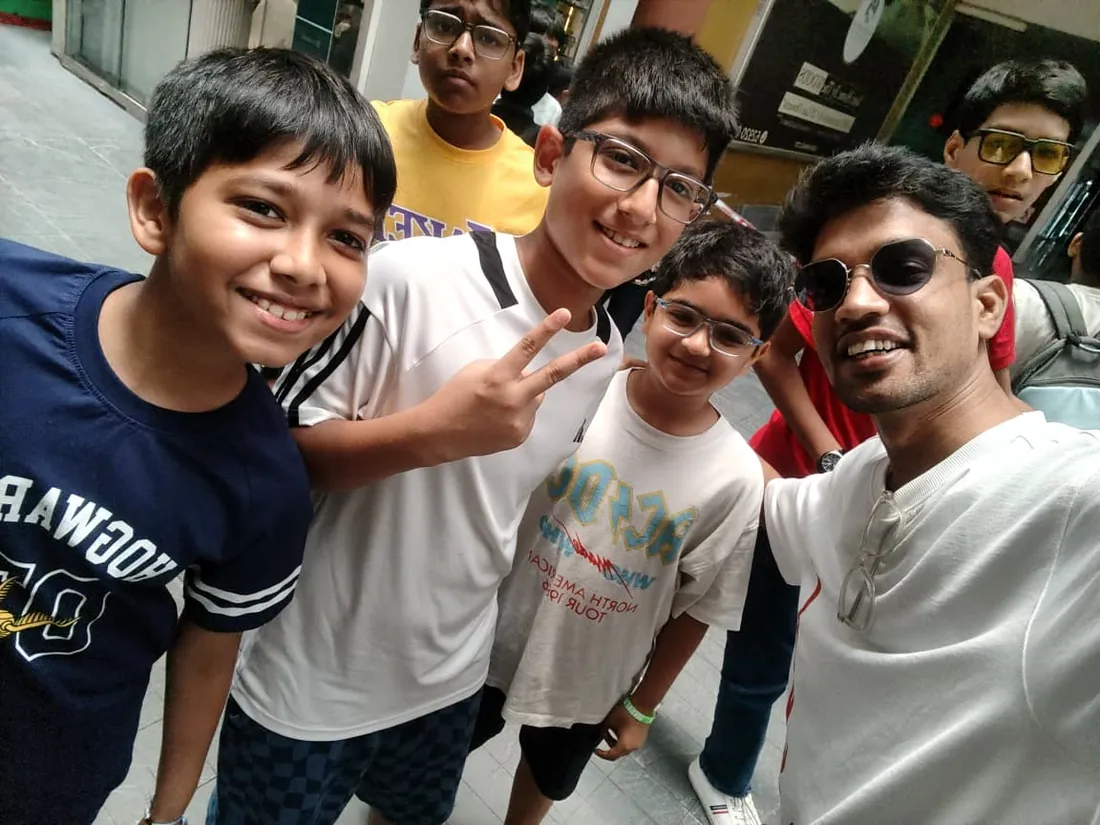
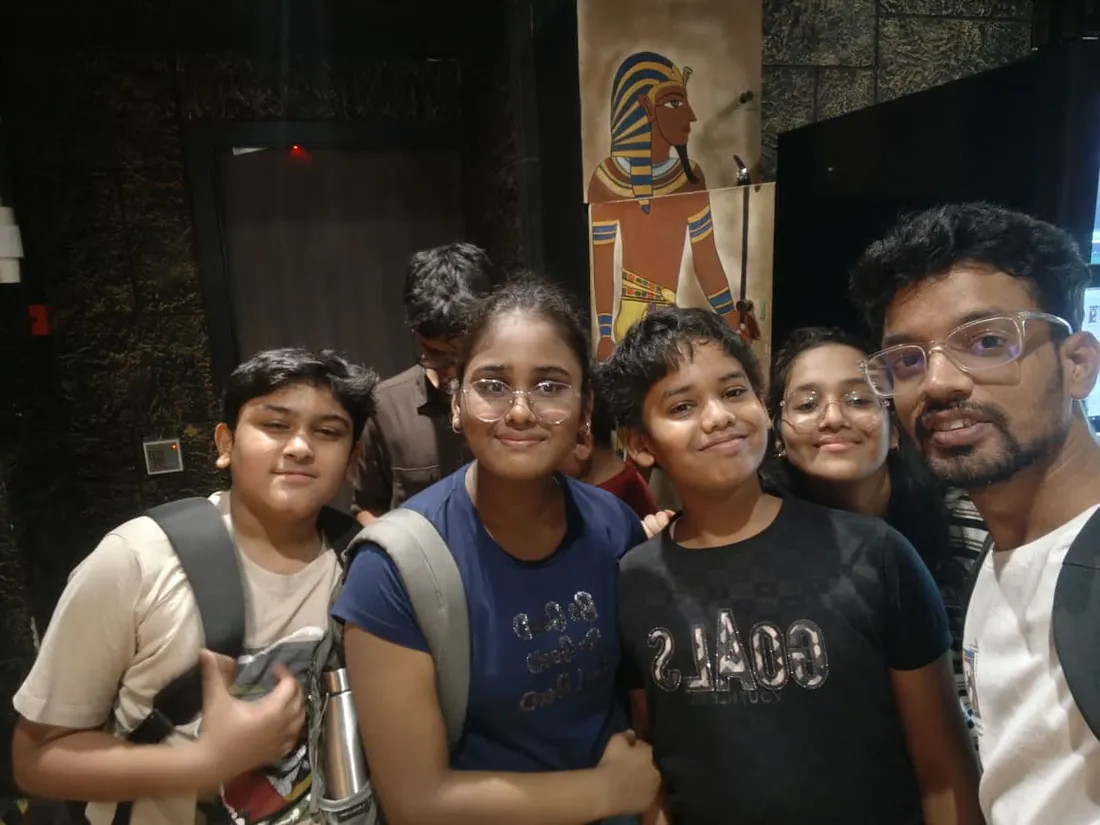
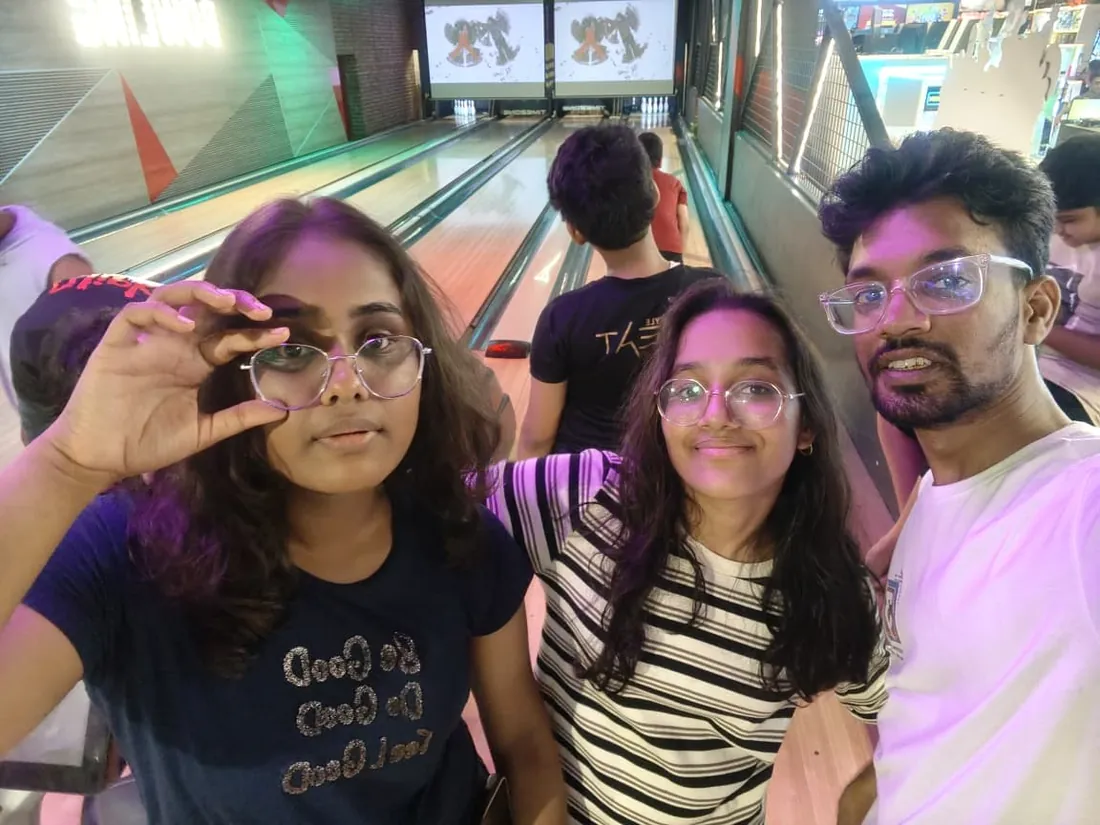
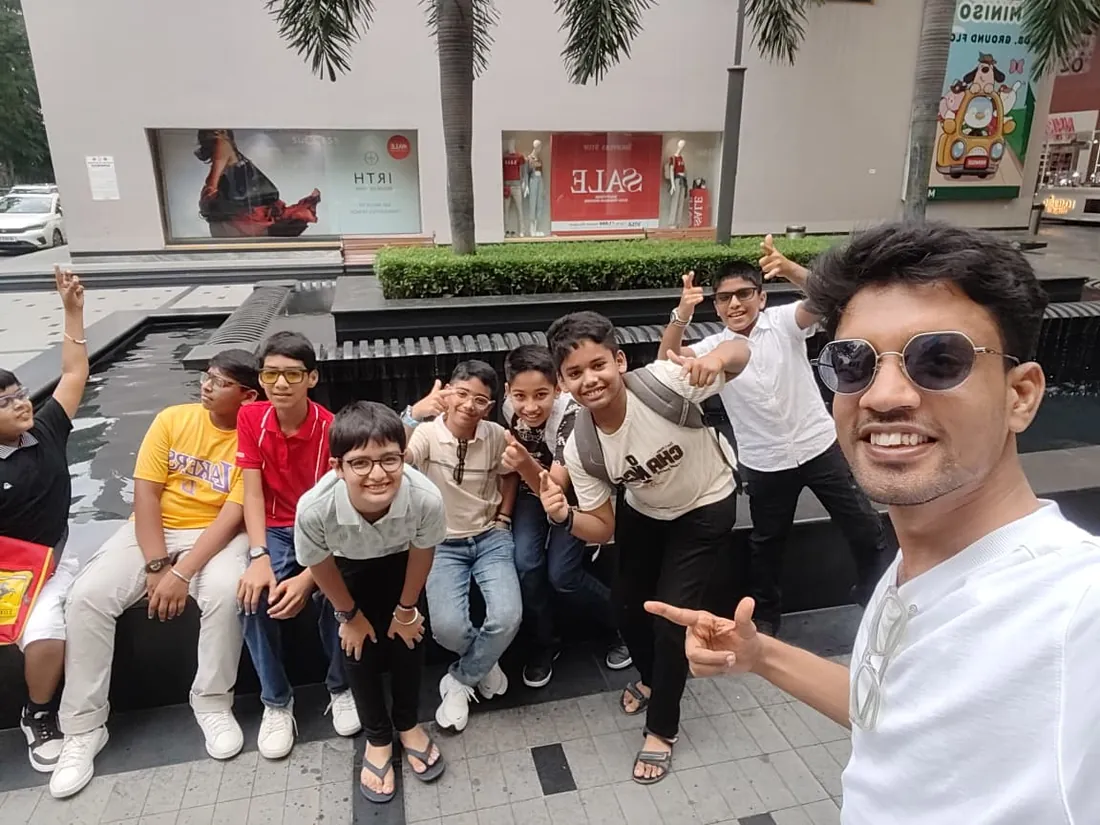
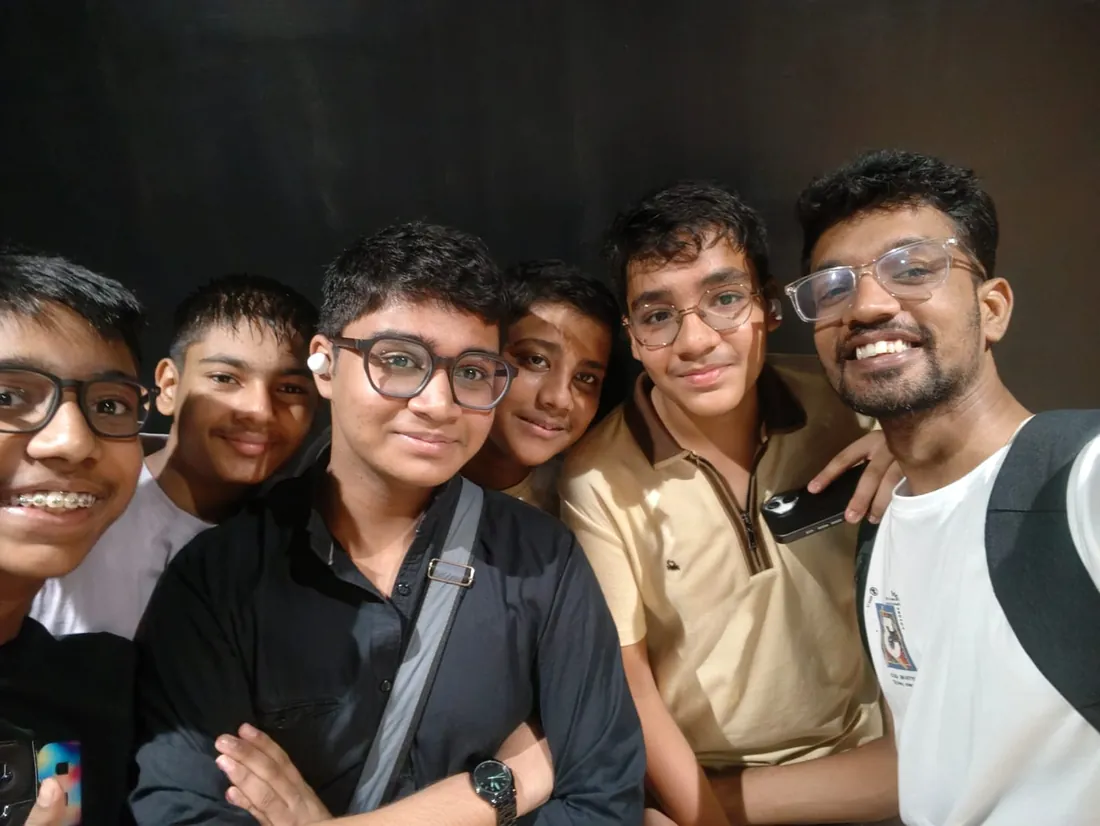
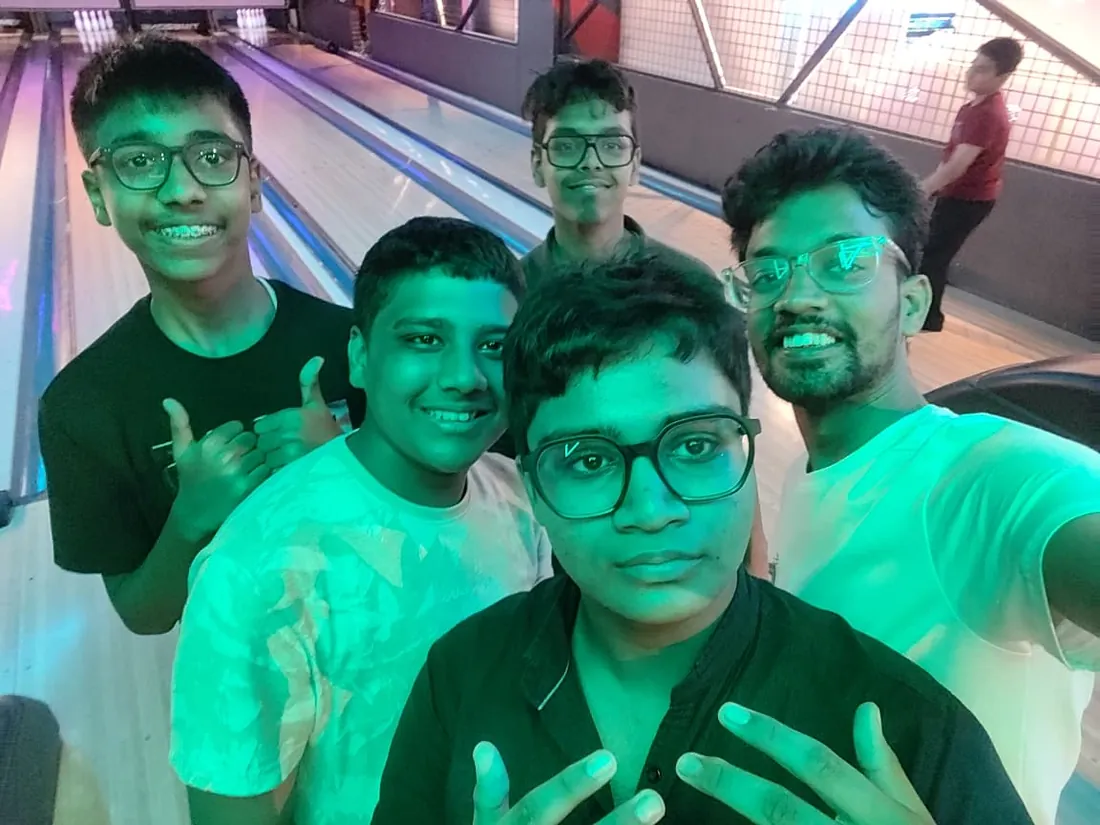
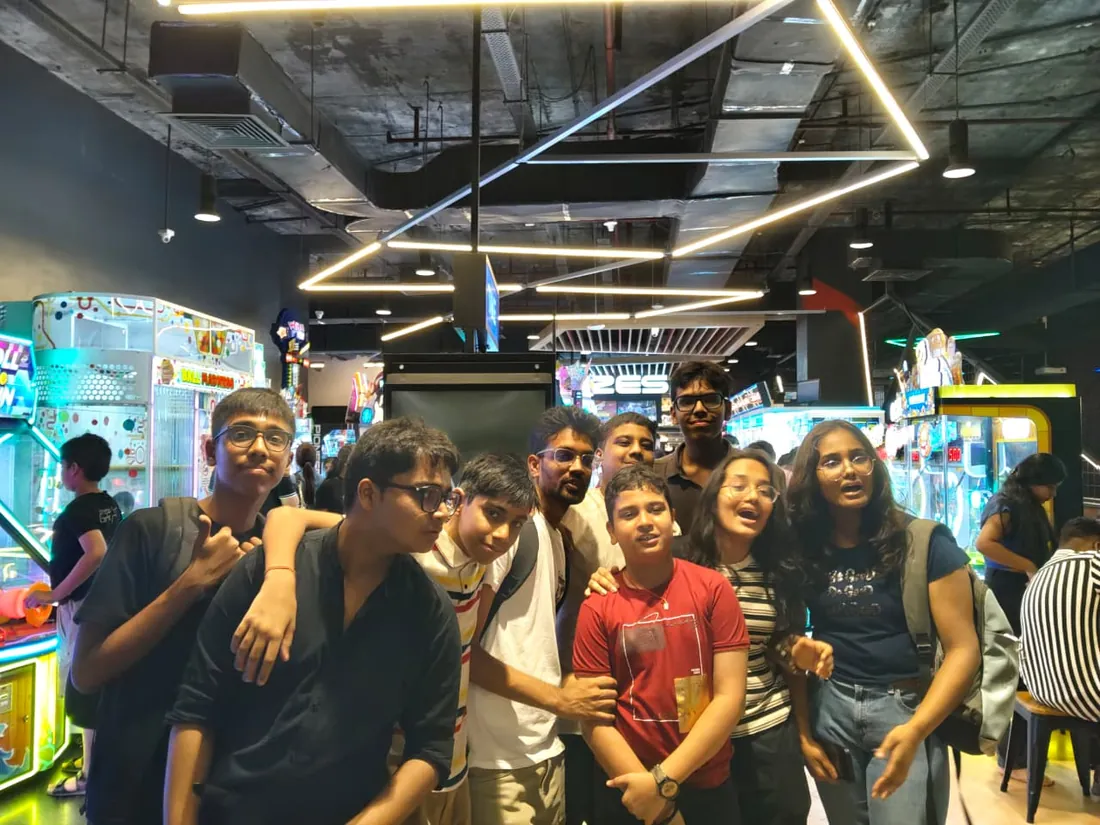
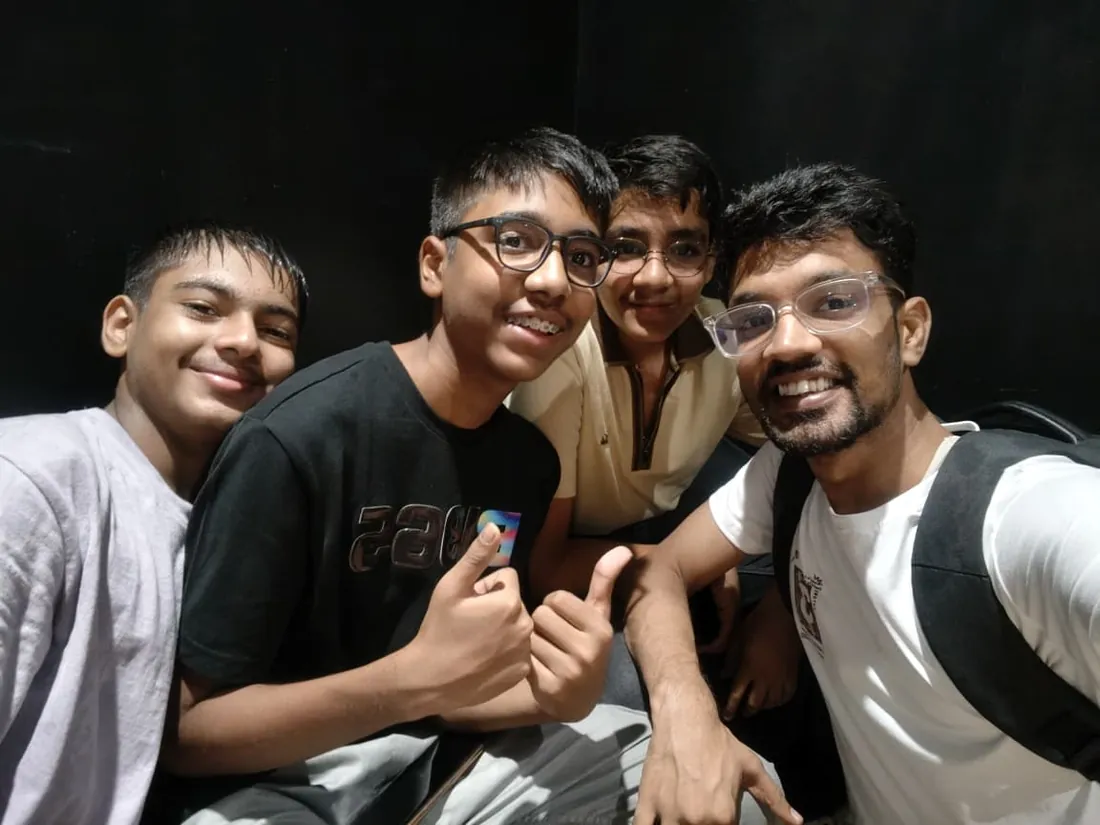
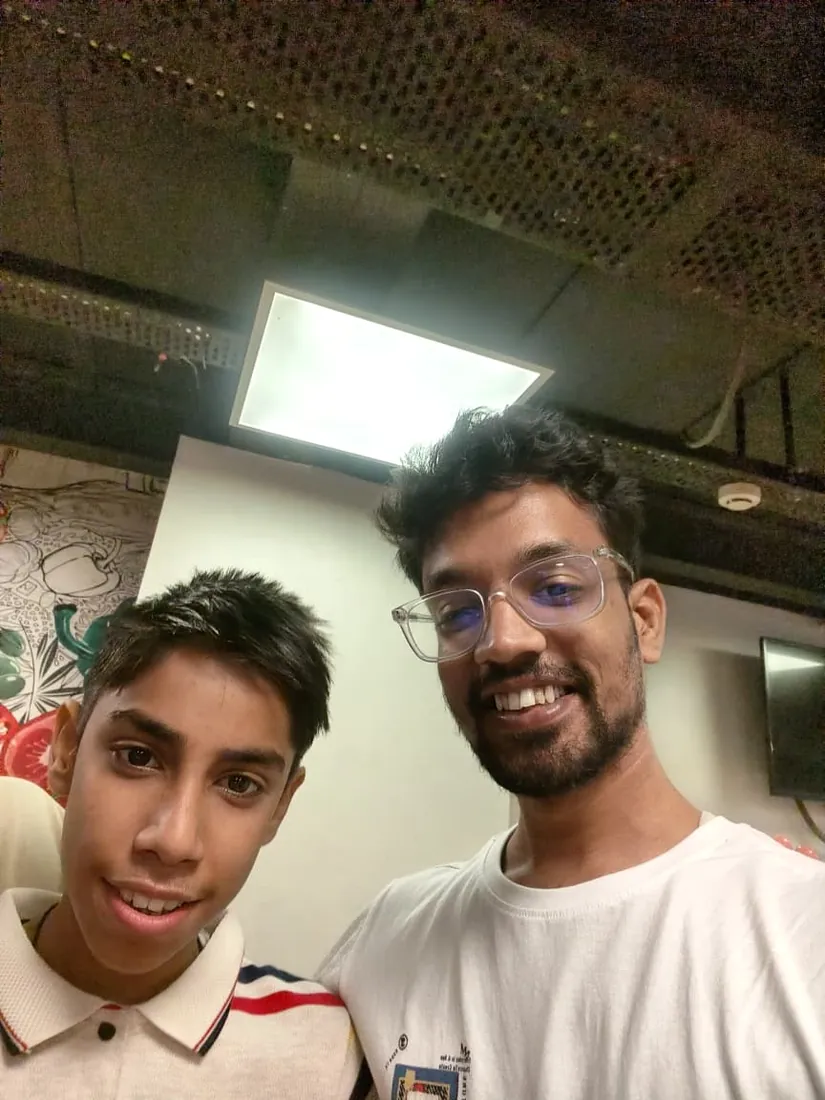
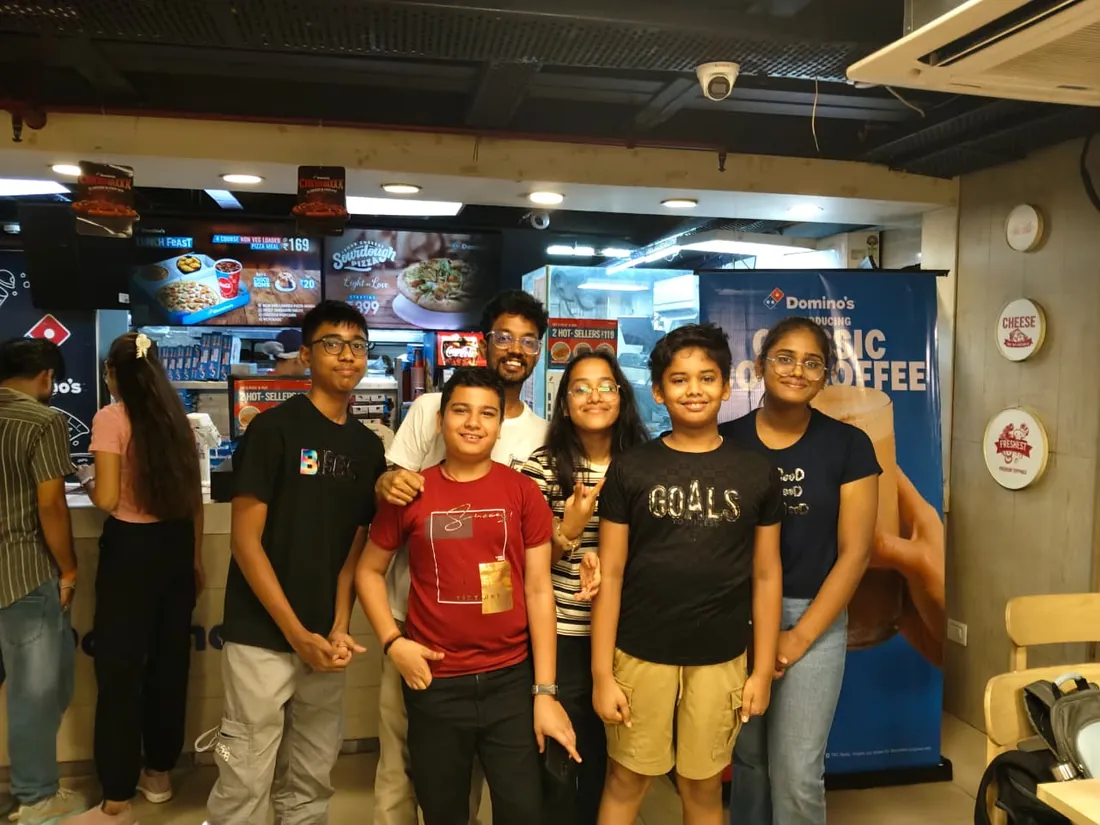
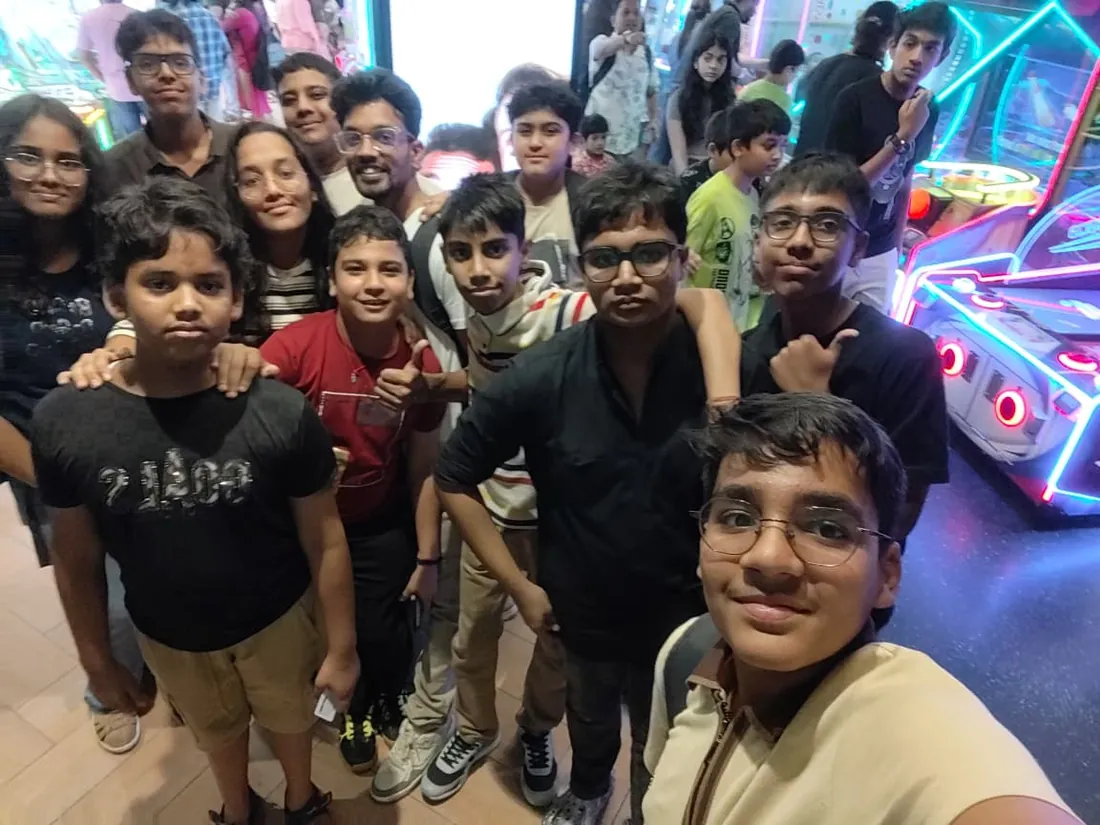
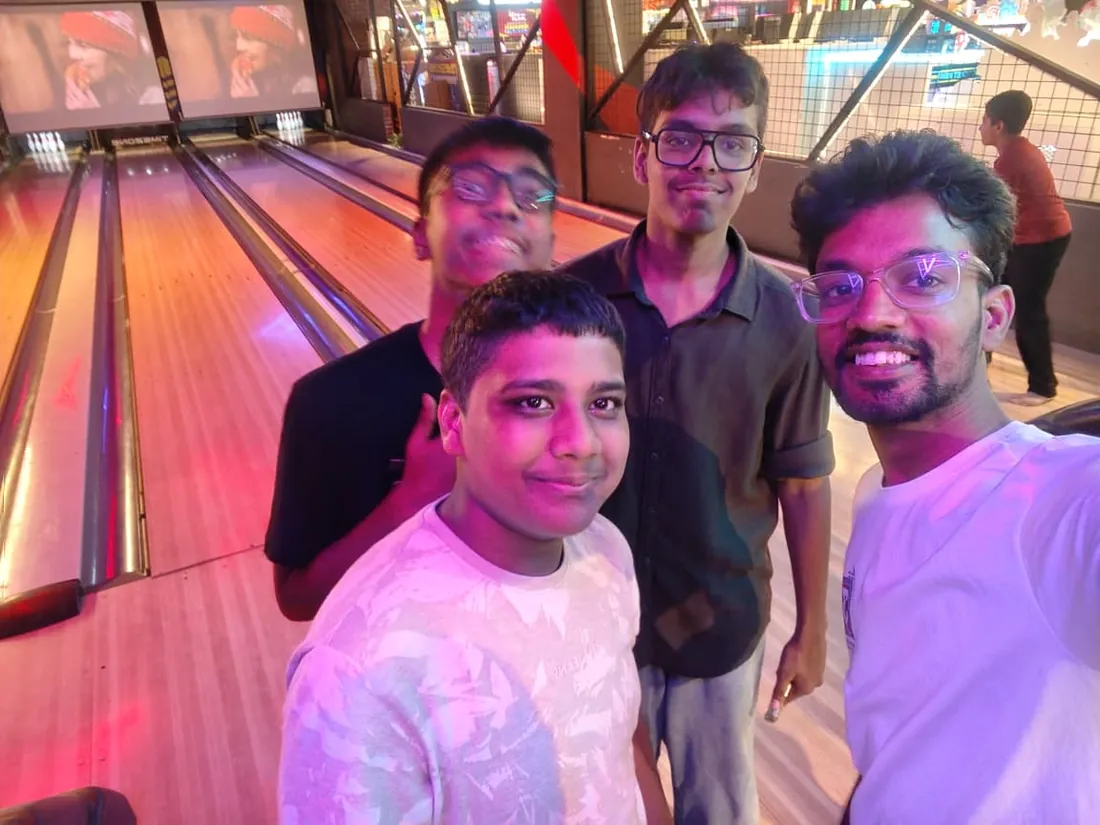
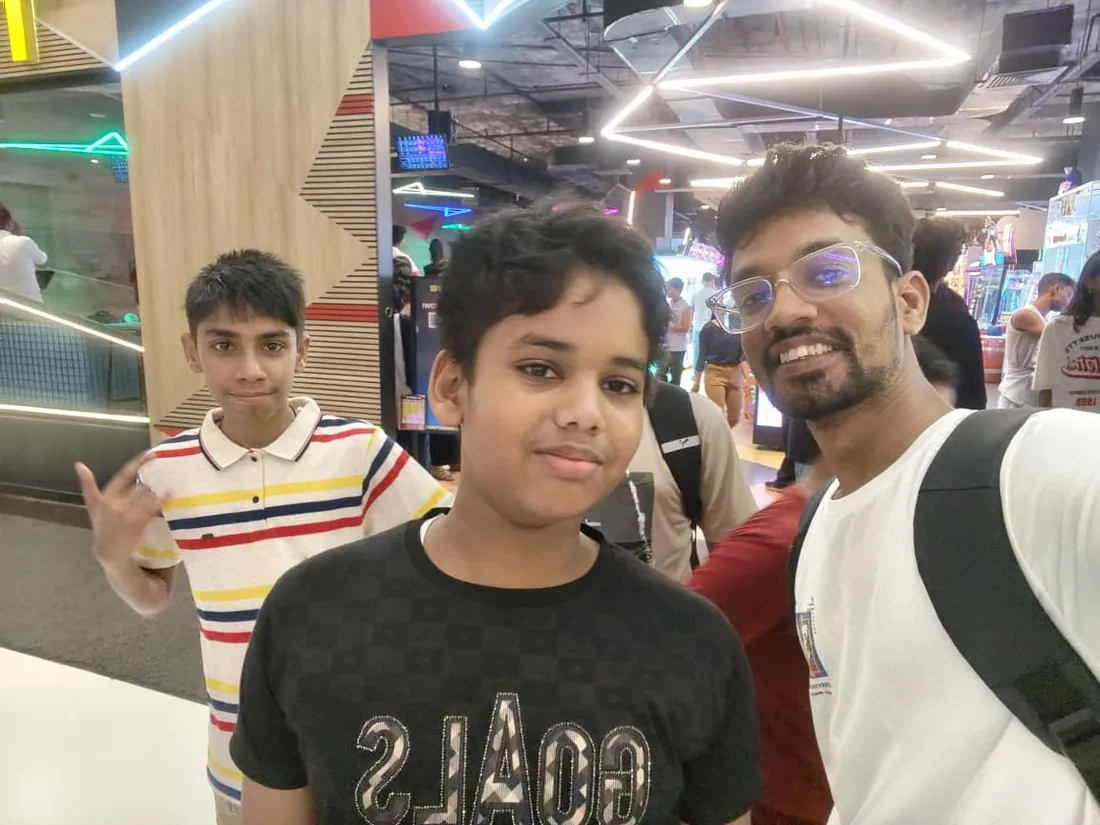
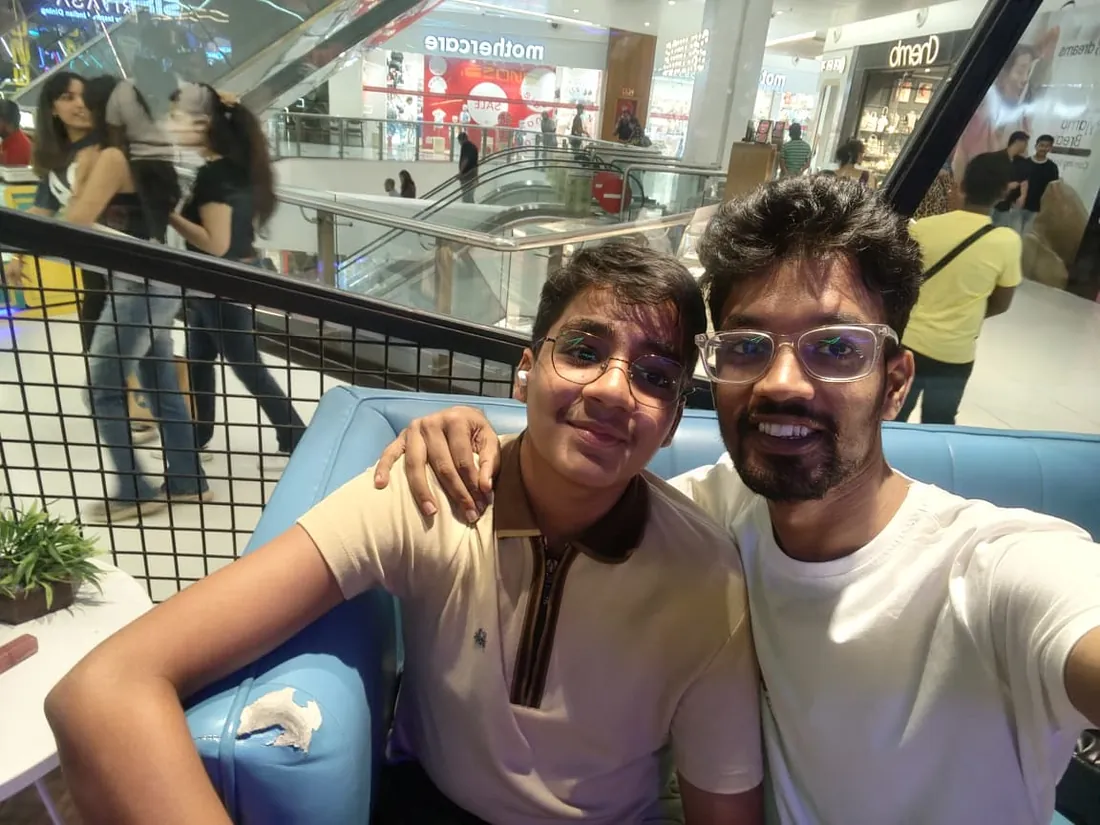
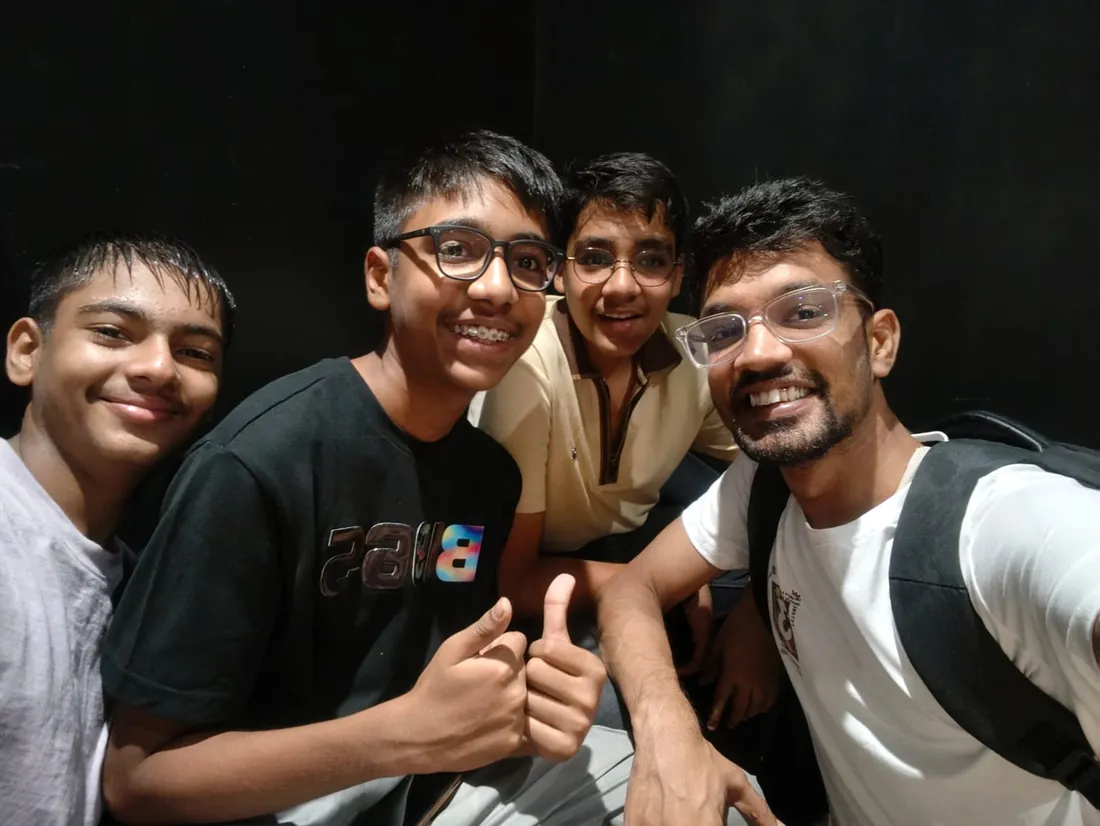
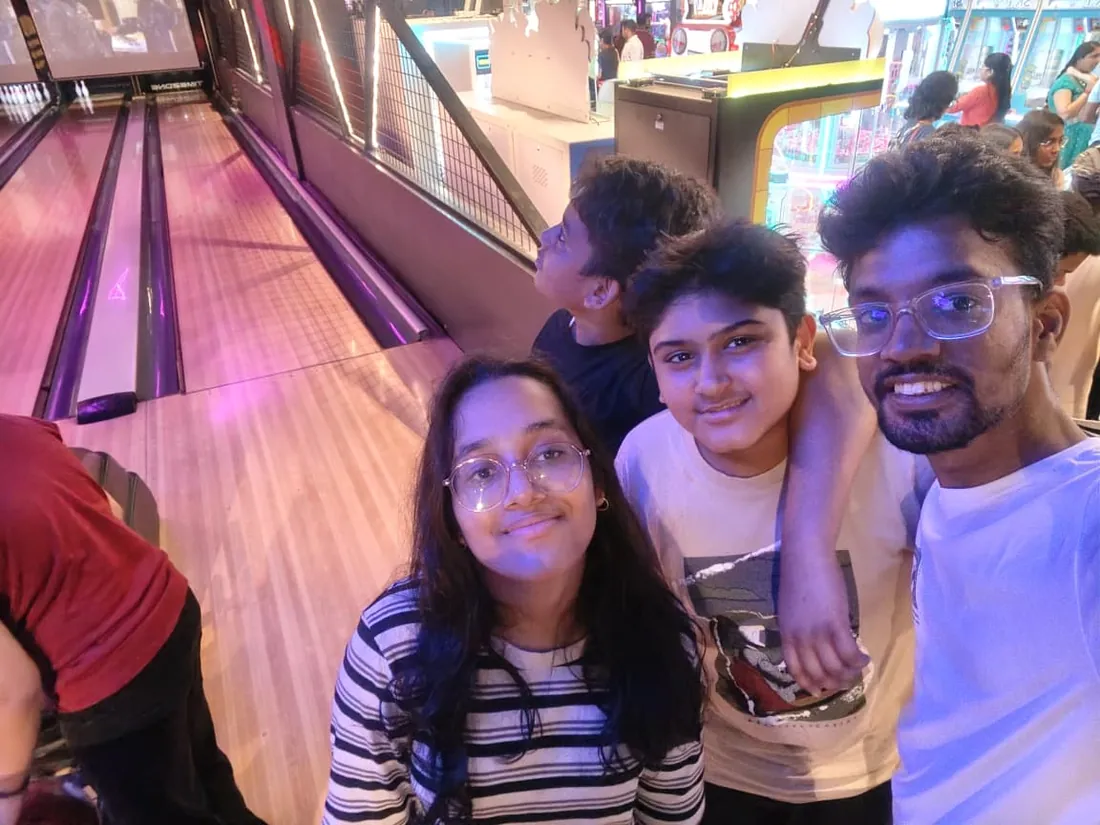
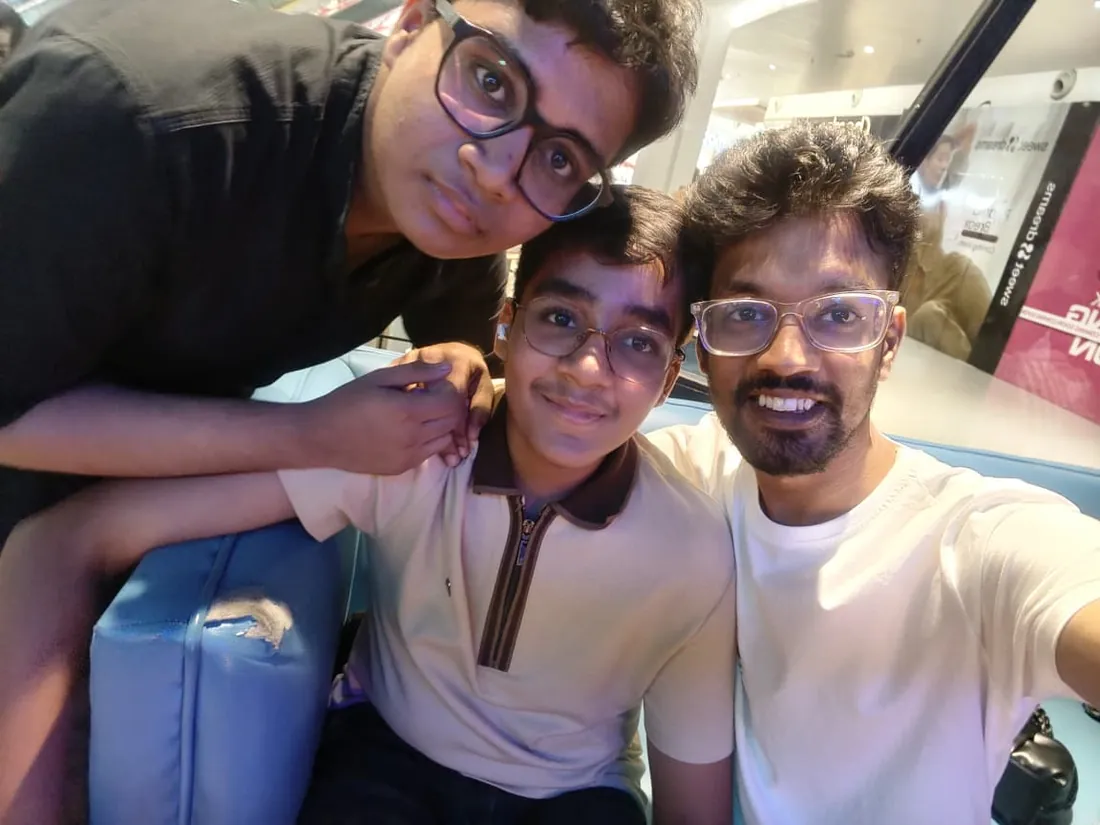
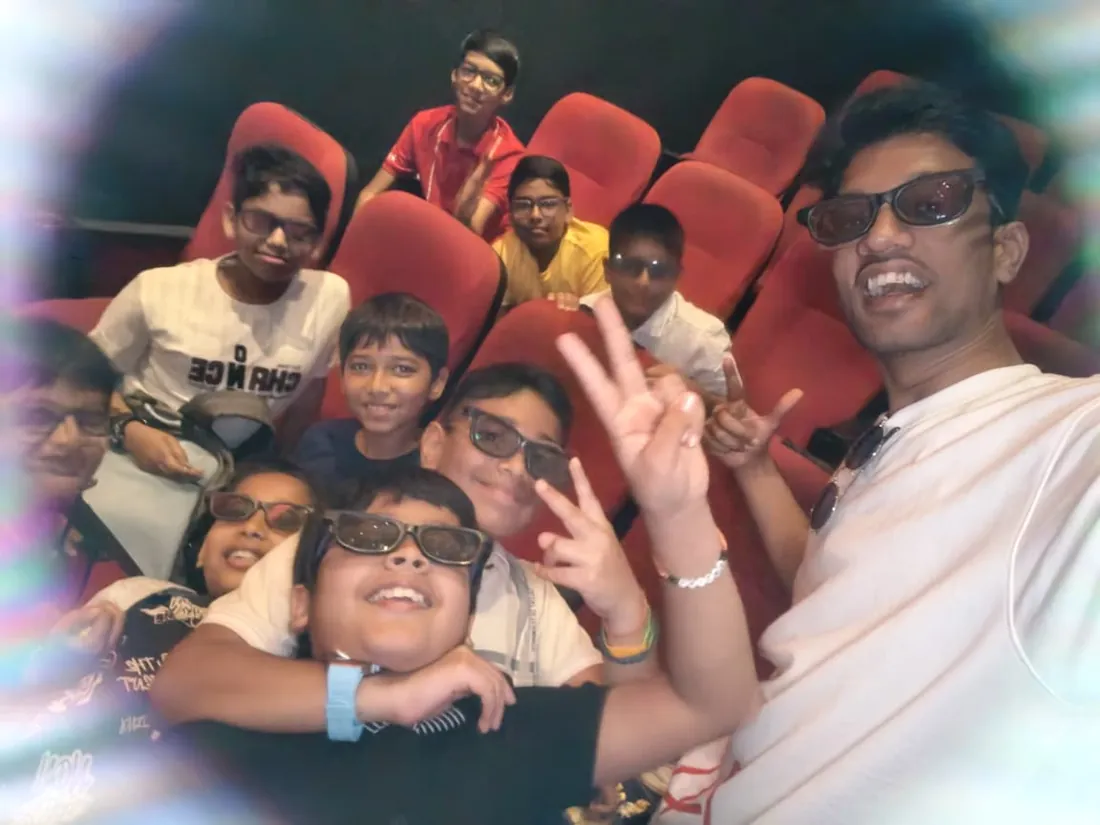
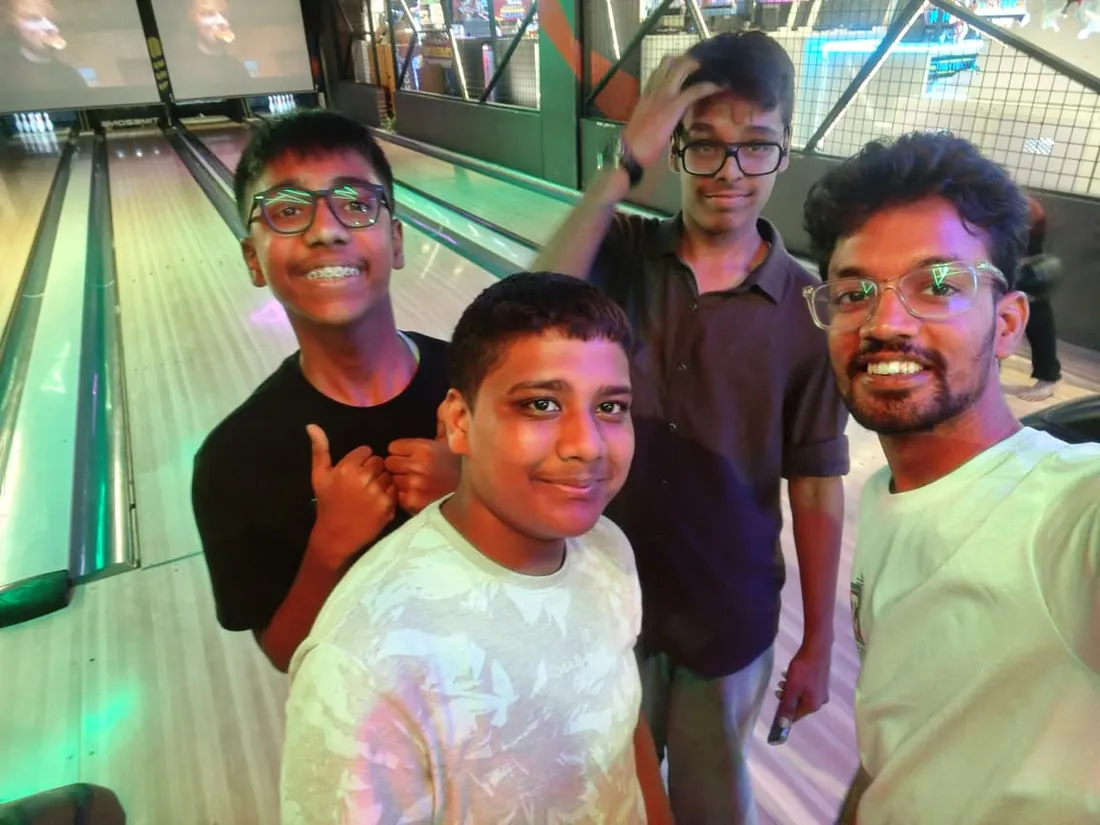
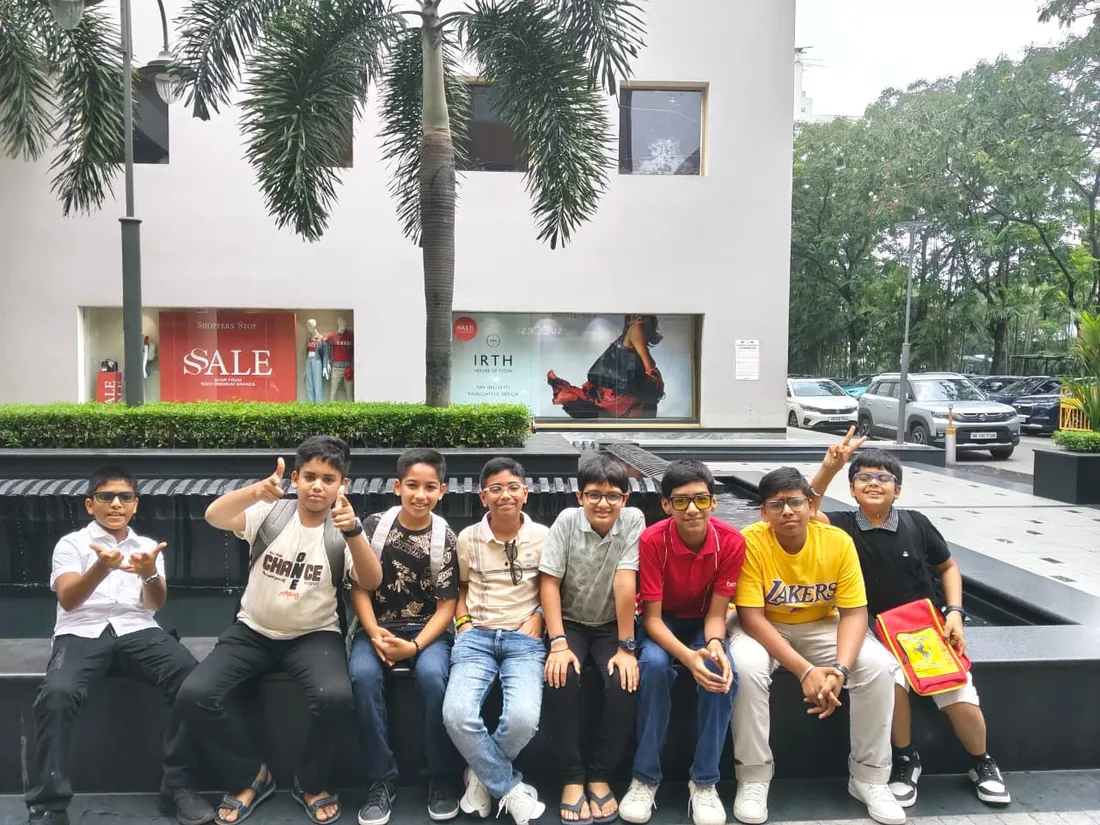
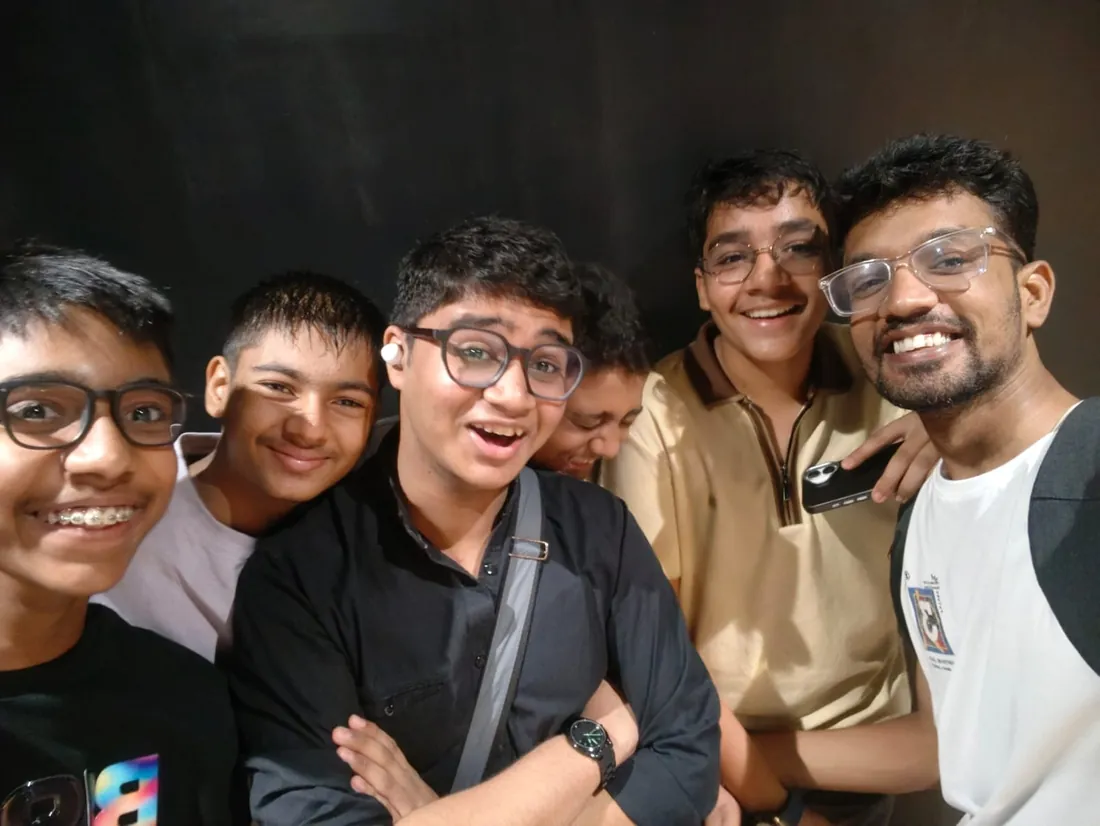
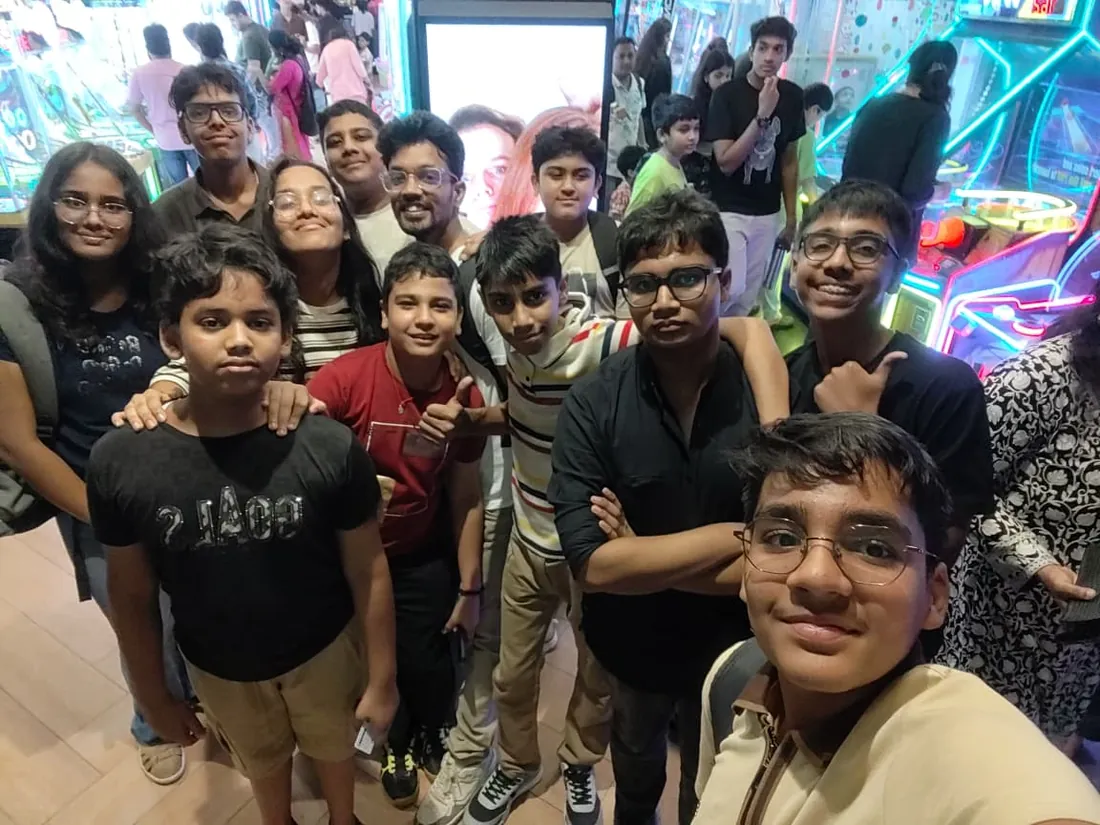
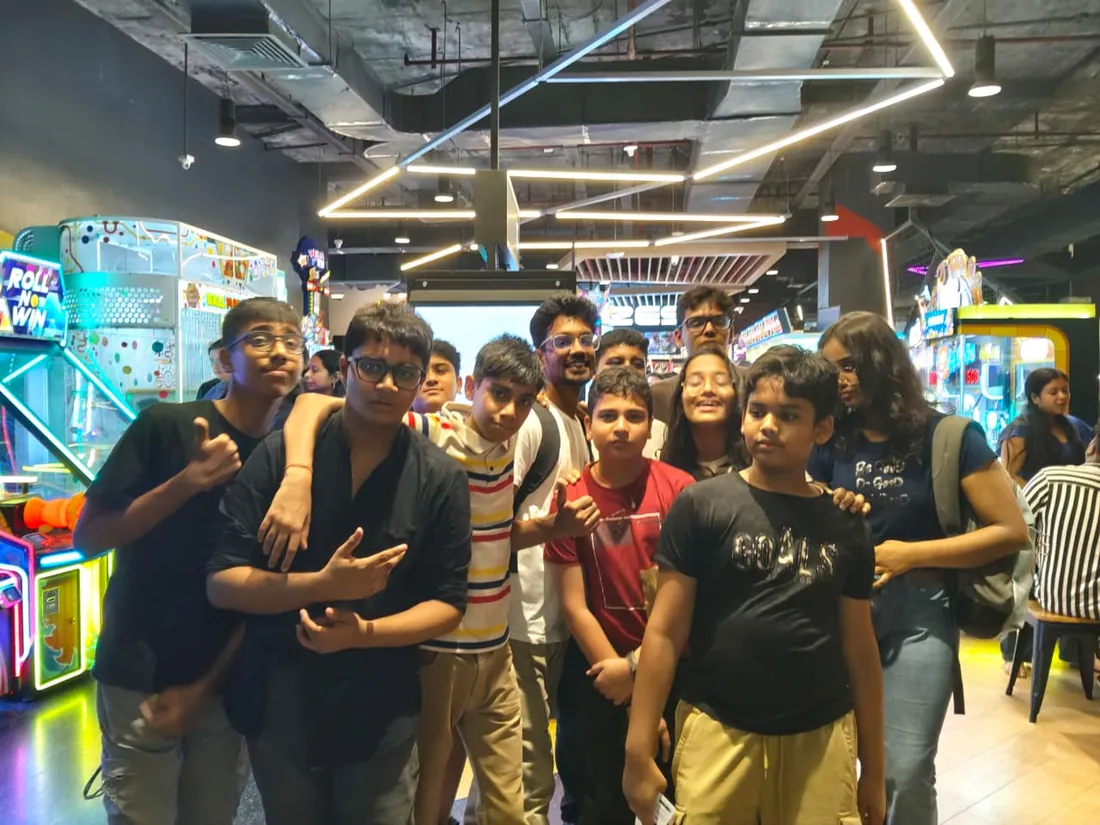
Real students. Real moments. Real joy.
These are our actual student meetups. No stock photos, no filters. Swipe through and meet the community you'll be joining.
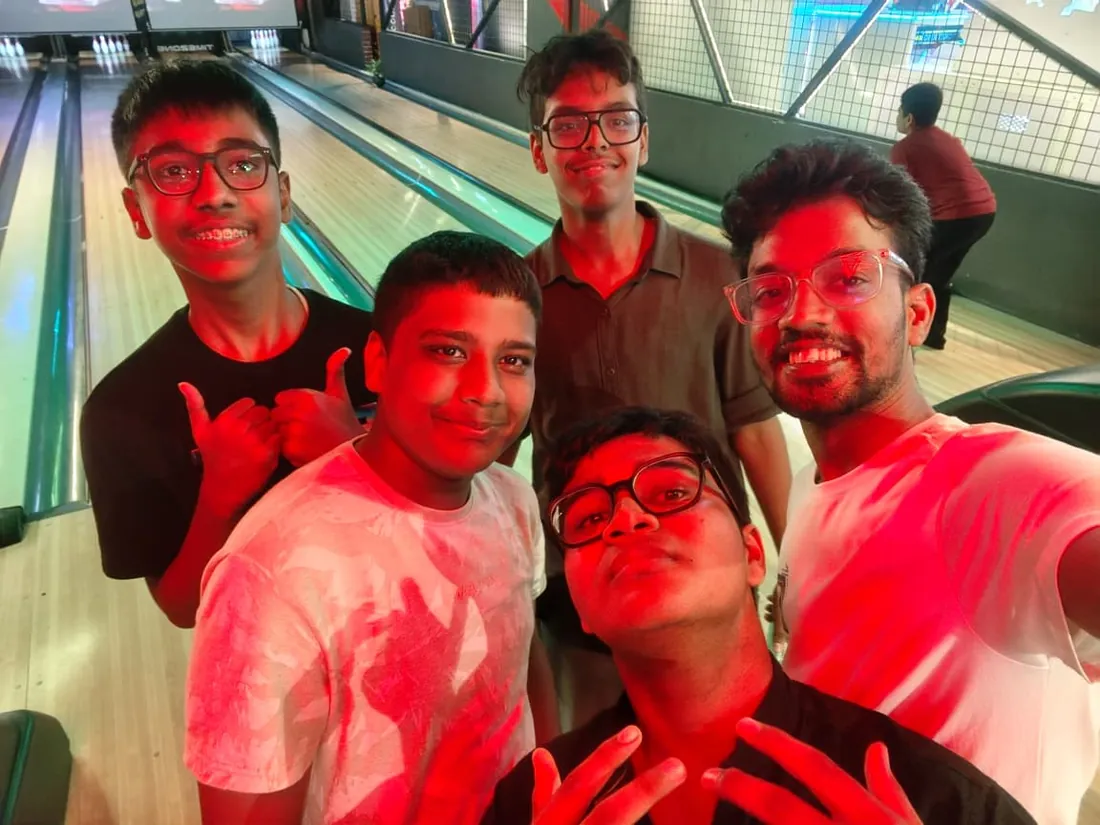
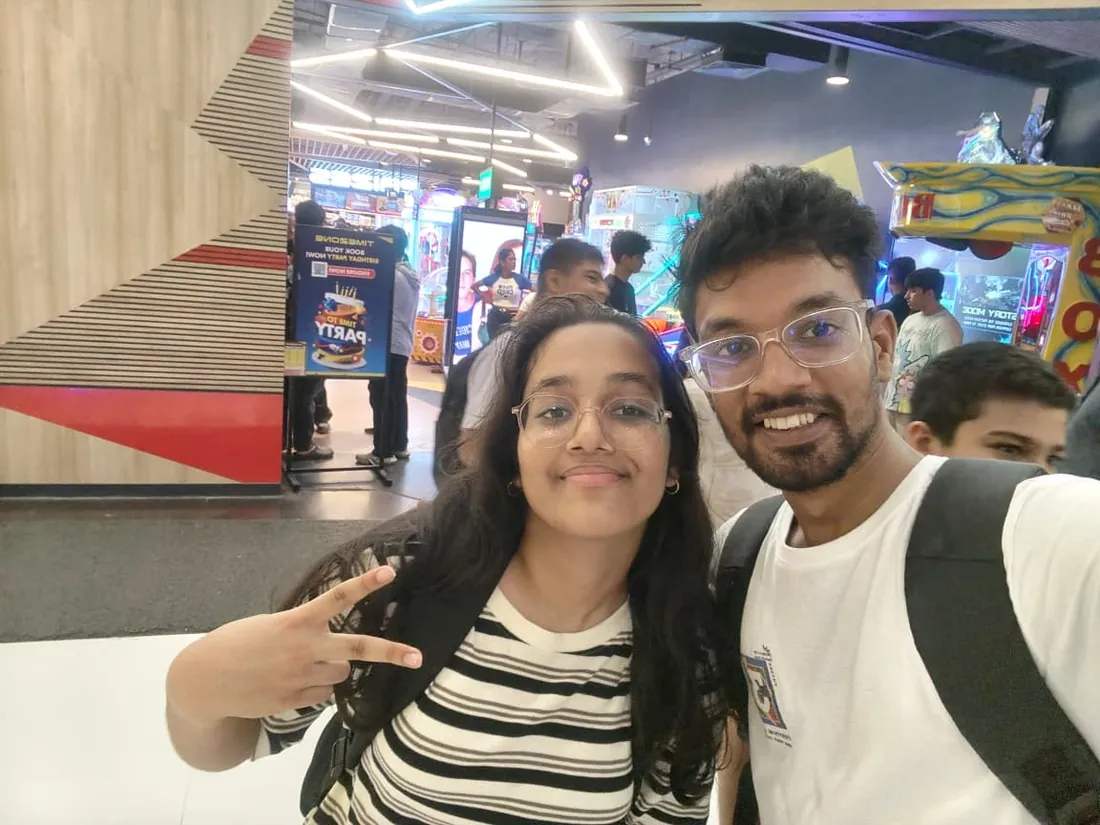
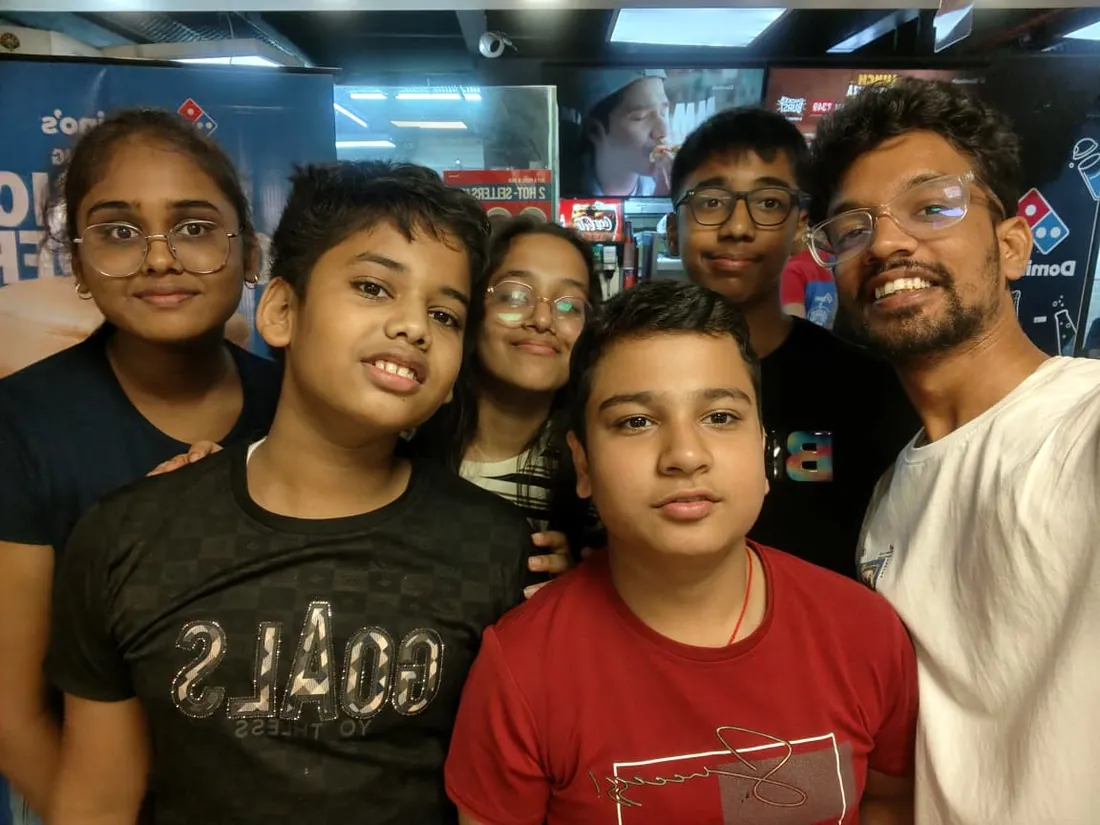
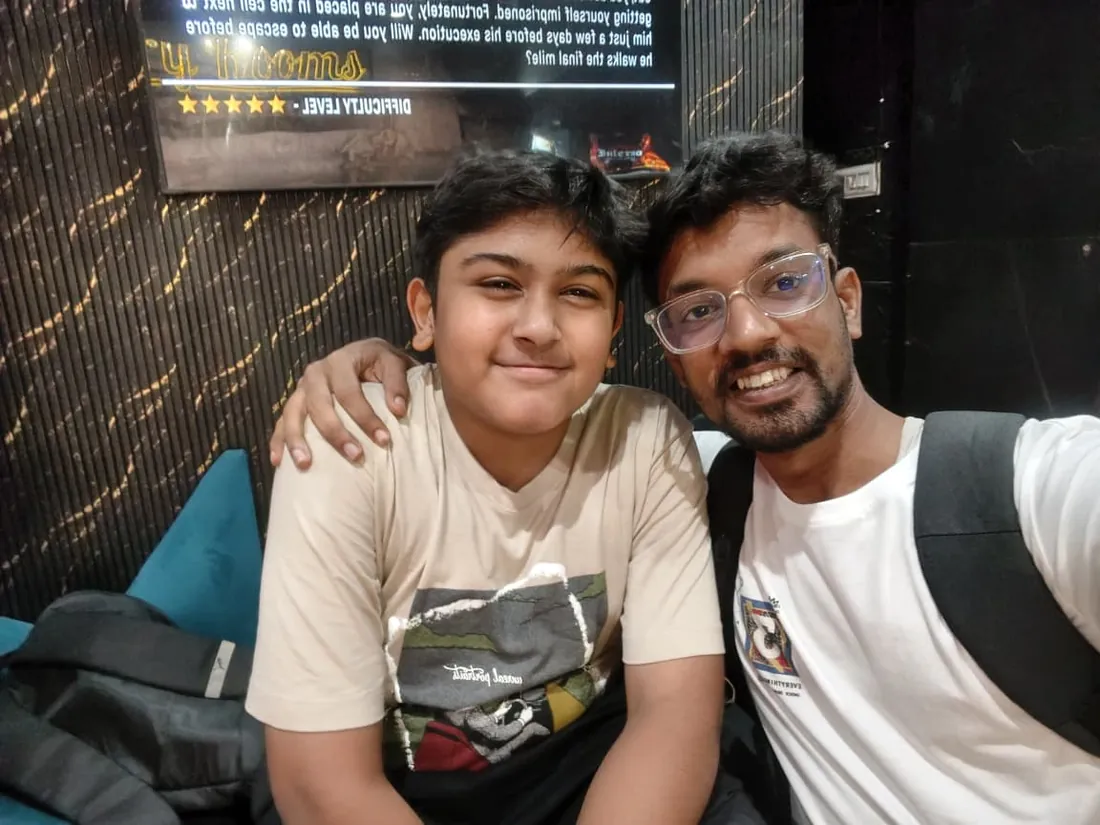
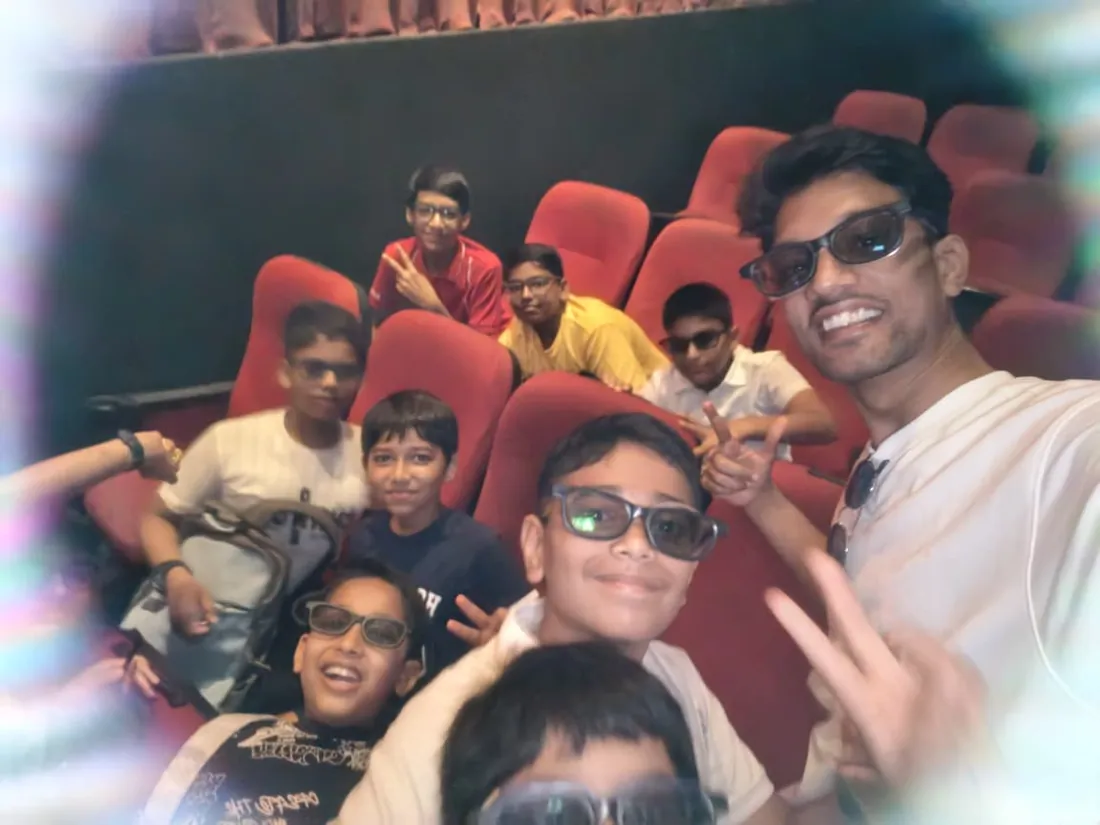
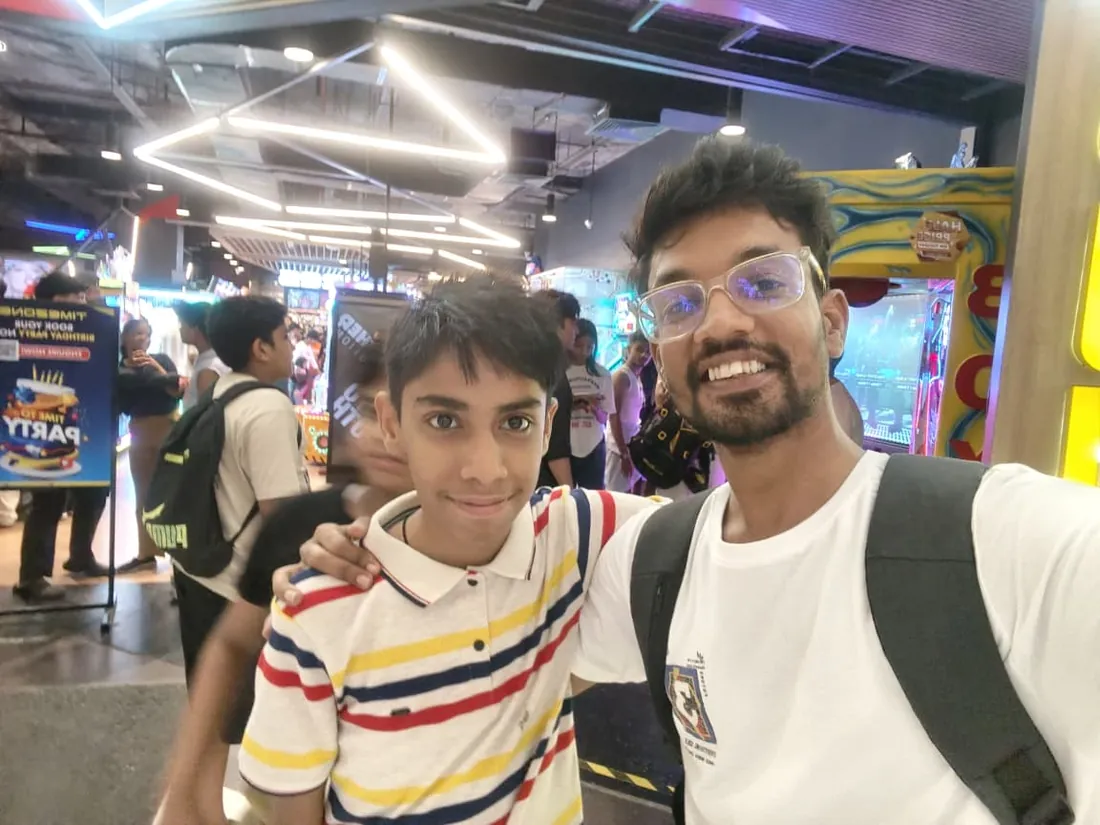
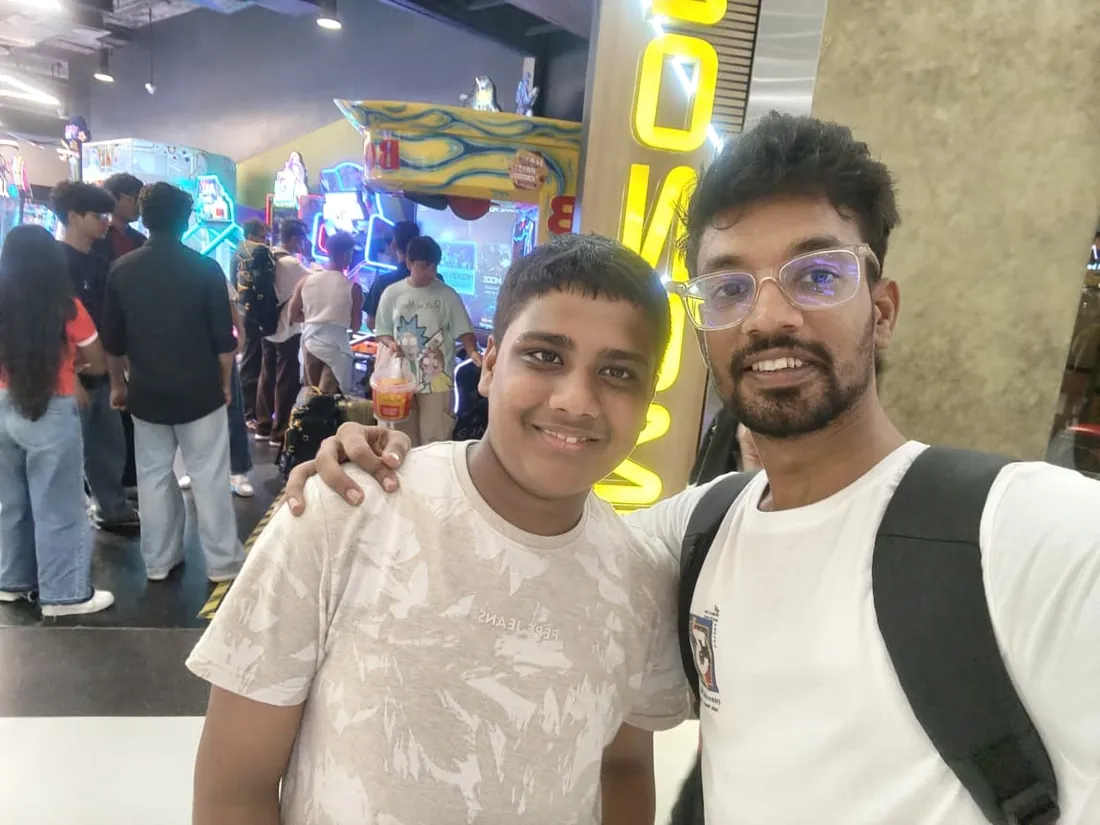
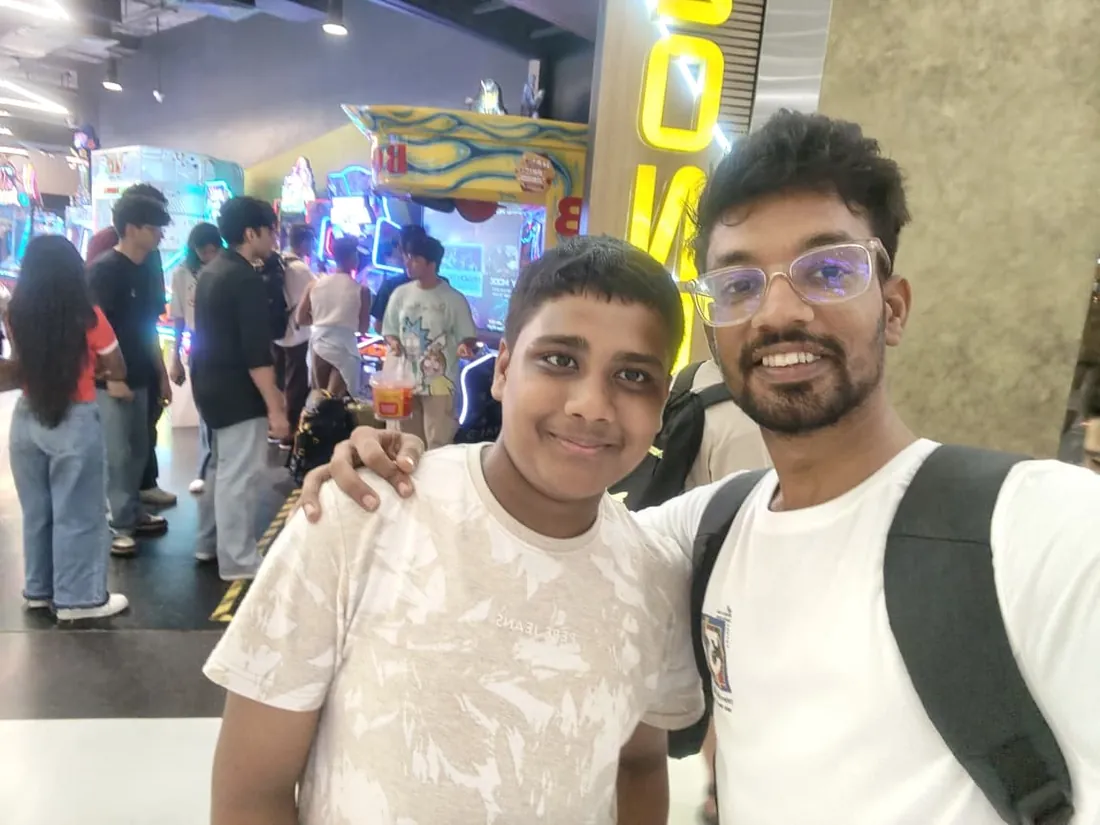
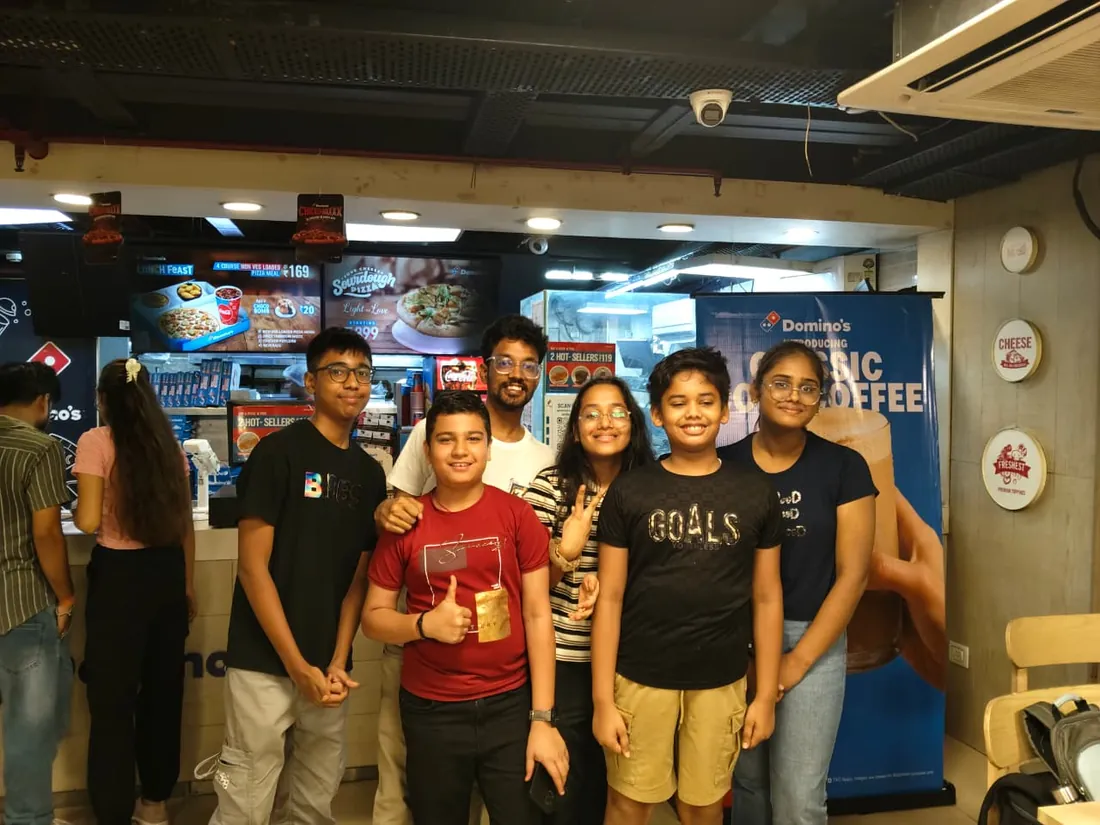
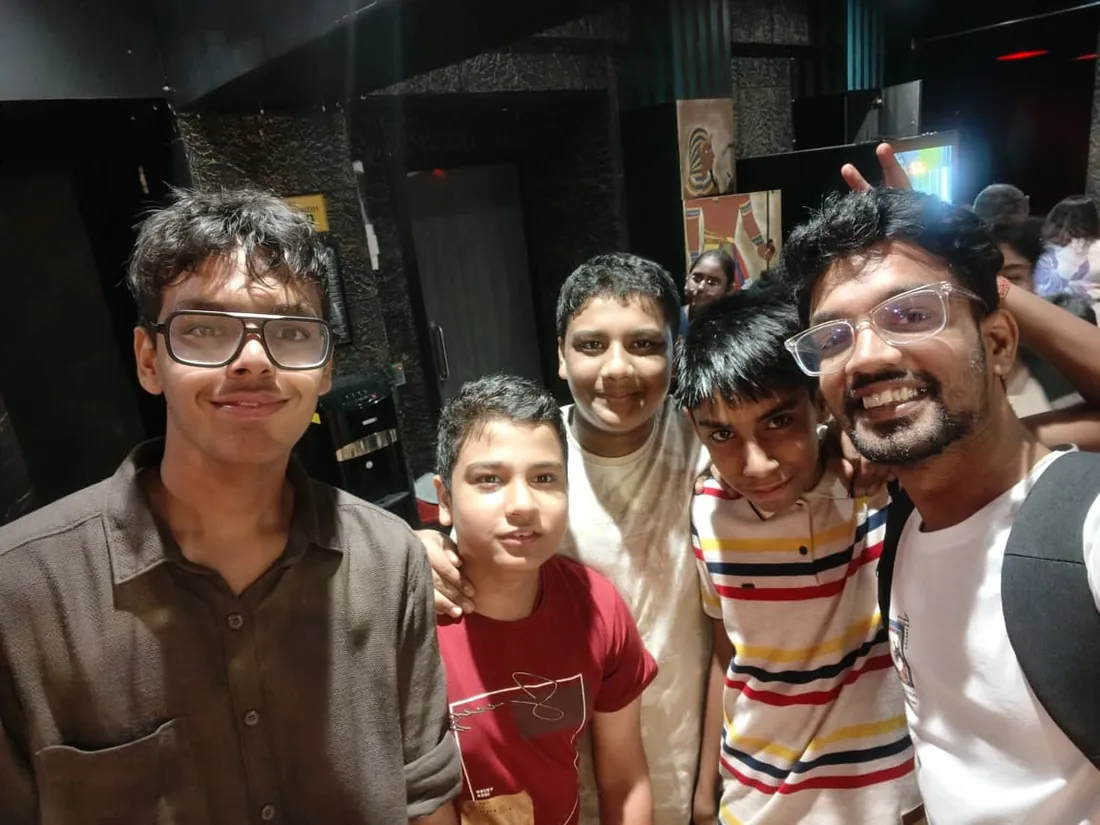
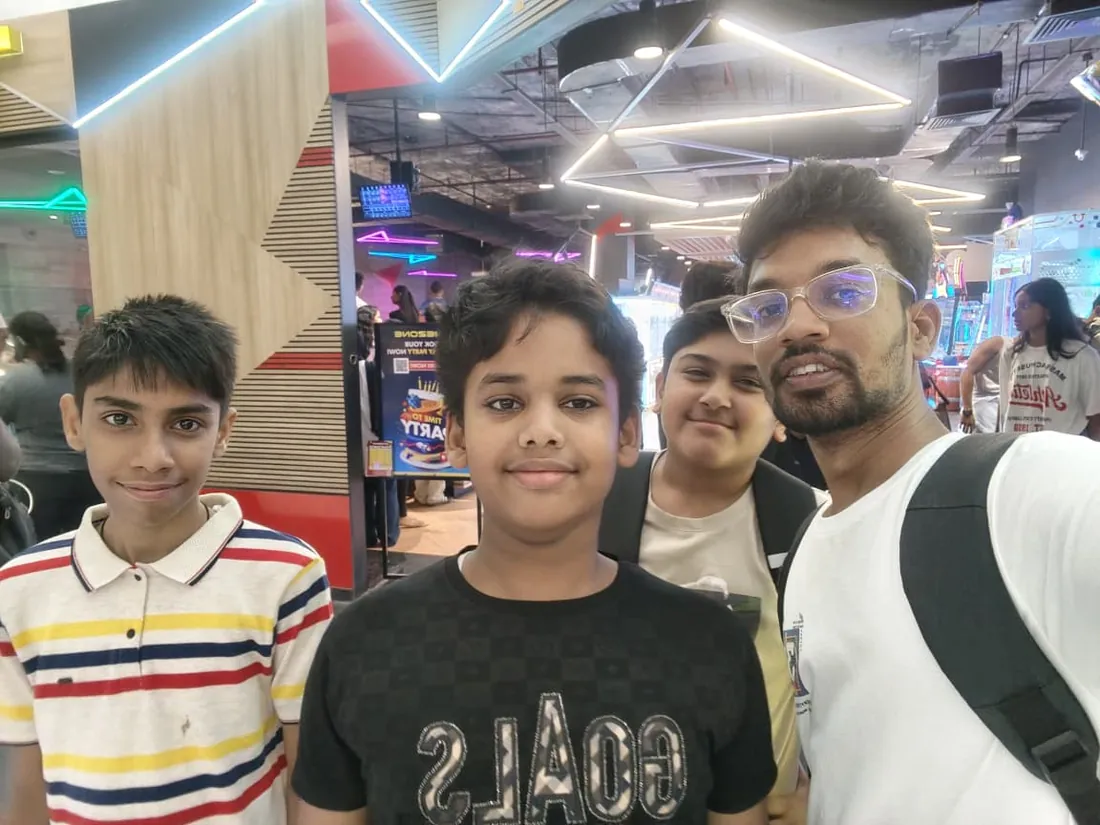
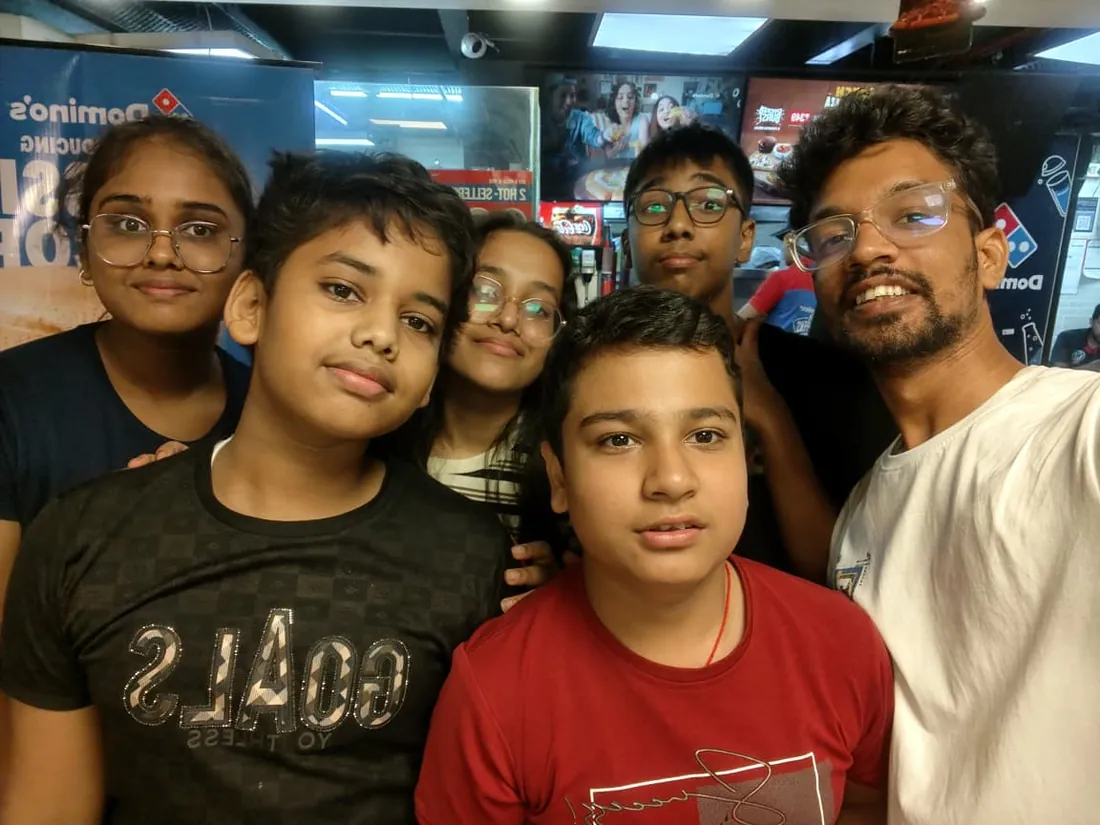
What families say
Straight from the parents and students who learn with us. Rated 4.9 across 547 Google reviews.
“Mivaan enjoys the class. He understands the concepts and completes his tasks with excitement. He started taking interest in coding… truly amazing class.”
“I absolutely love it here! I made new friends and learned important valuable coding skills while having the fun of my life. It's not just coding here, it's outings, bonding and most importantly preparing you for your future. Definitely five stars.”
“What stands out most is how excited my son is before every class. He looks forward to learning, problem-solving, and sharing what he's built. I've noticed a big boost in his confidence!”
“Modern Age Coders has been a game-changer for me! I struggled to grasp IT concepts and coding before joining, but their classes transformed everything. I'm now the topper in my class and can confidently write complex programs with ease.”
“Modern Age Coder have wonderful teachers who teach in a clear, easy and practical way. The teacher boosts students' confidence, keeps them updated with technology, and inspires them to learn without hesitation.”
“The one step solution for my son. Modern Age Coders make learning coding so simple that kids love it.”
“Coding classes here make learning very interesting and conceptual. The teachers teach us in a very easy-to-understand and efficient manner.”
“One of the most wonderful education centres out there. Education is not limited to school syllabus but focuses on skill development. Learning here has been a wonderful journey and still continuing.”
“I highly recommend this computer coding class! The teachers are incredibly knowledgeable and passionate about coding. They make every session engaging and insightful.”
“My child Dhairya is really enjoying the Modern Age Coder IT classes. This is his first online class, and he eagerly looks forward to it.”
“Very good classes. Don't worry about coding. They teach the best, especially Shivam sir.”
“Very good classes. Makes learning very easy and interactive.”
Hear it from our students
Real parents and students in their own words, on our public YouTube channel.
Straight answers about CBSE Computational Thinking & AI for Teens (Class 9-12)
- Who should take this course?
- Complete Beginner to CBSE AI Board Topper + Industry-Ready AI Developer. Age: 13-18 years (Classes 9 to 12). It suits students opting for cbse ai as skill subject (code 417) in class 9; students pursuing cbse ai (417) with board exam in class 10; students electing cbse ai (code 843) as academic elective in class 11.
- What will they learn and build?
- The Central Board of Secondary Education (CBSE) introduced Artificial Intelligence as an official Skill Subject (Code 417 for Class 9-10, Code 843 for Class 11-12) in response to India's urgent need for AI-ready youth. This 12-month flagship program is the definitive preparation course for every CBSE teen pursuing AI, whether as a board subject, competition pathway, or future career.
- How deeply are topics covered?
- The course runs 12-14 months (48-56 weeks), or the full Class 9-12 board track at 10-12 hours/week (2-3 live classes + practical + self-study), across 4 phases listed week by week in the syllabus below. A structured, well-paced curriculum taught step by step, with hands-on practice in every session.
- Who teaches it?
- Modern Age Coders mentors, who teach the live classes themselves. You can watch them at work in the free class recordings before you decide.
- How do practice, feedback and assessment work?
- Mixed-review assignments after every month, board-style mocks, and a final exam that decides the certificate: real knowledge, real work. Doubt support between classes over WhatsApp, so you are never left stuck. A certificate you earn by passing the final exam, with a free retest after revision if needed.
- What does it cost?
- Three monthly plans: a group batch, a mini batch and 1-on-1. Prices are shown in your currency in the plans section. Monthly billing, cancel any time.
- When can classes take place?
- Live classes are scheduled around your week. Group batches meet at a fixed weekly slot; 1-on-1 students choose their own. International students are scheduled in their own timezone. Ask on WhatsApp for the current slots.
- Can I watch the teaching before deciding?
- Yes. Full recordings of real 13 and up classes are free to watch, free with a Google sign-in. These recordings show how we teach, not the exact syllabus of this course. Some classes are in English and some in Hindi; everyone follows at their own pace. Watch a class end to end, like you are in it. Sessions are interactive and each moment builds on the last.
- Can I enroll without a live demo?
- Yes. Choose a plan on this page and enroll directly; a booking or a demo is not required. A free live demo is optional, for anyone who wants to meet a mentor first. Outside India, our team confirms the plan and completes payment with you over WhatsApp, so allow a little time for that step.
Common Questions About CBSE Computational Thinking & AI for Teens (Class 9-12)
Get answers to the most common questions about this comprehensive program
Still have questions? We're here to help!
Contact UsWhy CBSE AI (417 & 843) Mastery Is Non-Negotiable for Ambitious Teens
The Central Board of Secondary Education officially launched Artificial Intelligence as a Skill Subject (Code 417) for Class 9-10 and an Academic Elective (Code 843) for Class 11-12. With India announcing the National AI Mission and private industry projecting 1.2 million AI jobs by 2030, mastery of CBSE's AI curriculum is the single highest-leverage academic investment a teen can make today. Yet most CBSE schools struggle to teach AI well, due to rapid syllabus evolution, teacher training gaps, and the inherent 2-4 hours/week time constraint.
This 12-month program solves that completely. We cover 100% of CBSE AI Code 417 (Class 9-10) and Code 843 (Class 11-12) with 10x the depth, supplemented by industry skills (Deep Learning, Transformers, GenAI, MLOps) that 95% of practicing AI engineers earn ₹40+ LPA for. Every student builds an 80-project GitHub portfolio, masters the official CBSE AI Project Cycle for board capstones, and leaves with verifiable AI engineer credentials.
More than grades: the compounding benefit is immense. Teens who master AI early get admitted to top engineering colleges (AI portfolio carries 40-60% weight in modern admissions), win international competitions (Intel AI Youth, Samsung Innovation Campus, Google AI for Good), secure summer internships at 16-17, and position themselves for careers that will define the next 50 years of technology. Our 2,800+ alumni are already employed at Google, Microsoft, Flipkart, Razorpay, and studying at IITs, MIT, Stanford, and CMU.
Related Courses You May Like
Continue your learning journey with these recommended programs
 Cybersecurity
Cybersecurity for Teens: Online Safety & White-Hat Defense
Live online cybersecurity course for teens (13-18): learn how attacks work and how defense wins, fro...
Explore Course A Level Computer Science
Cambridge AS and A Level Computer Science 9618 Course
Live online Cambridge AS and A Level Computer Science 9618 classes across all four papers, including...
Explore CourseRelated Articles & Guides
Deepen your knowledge with these hand-picked articles
 Programming
11 min read
Programming
11 min read
20 Python Programs for CBSE Class 12 Board Exam (083)
20 Python programs for the CBSE Class 12 Computer Science board exam: functions, text, binary and CS...
Read Article Mathematics
18 min read
Mathematics
18 min read
Best Online CBSE Maths Tuition for Class 6-12 in India (2026 Guide)
Find the best online CBSE maths tuition for Class 6 to 12 in India. Live 1:1 classes, expert tutors,...
Read ArticleReady to start CBSE Computational Thinking & AI for Teens (Class 9-12)?
Book a free demo class to meet your mentor and see how we teach, with no commitment. Or enrol now and start this week.