Game Development Complete Masterclass
Both engines the industry runs on: Unity and C# from 2D to 3D and game AI, then Unreal with C++, multiplayer, and a capstone you actually ship.
Syllabus updated August 2026
Recordings are free with a Google sign-in. These recordings show how we teach, not the exact syllabus of this course.
How long this course takes
This course runs 10-12 months (44-52 weeks) at 2 live classes/week + 4-6 hours practice. The range allows for background and pace: a complete beginner uses the full span, and a student with prior knowledge finishes sooner. The syllabus below is planned to the shorter end, with margin kept for revision.
For personalised duration planning, call +91 91233 66161 and we'll map a schedule to your goals.
At a glance
- Who it is for
- Complete beginner (18+); college students, graduates and working professionals. Age: 18+; college students, graduates and working professionals.
- Prerequisites
- None. Everything is taught from the first line
- Format
- Live, interactive classes with a real instructor, never pre-recorded videos. Live classes run about one hour.
- Language
- English or Hindi, depending on the batch.
- Duration
- 10-12 months (44-52 weeks)
- Weekly commitment
- 2 live classes/week + 4-6 hours practice
- Class size
- Group batches of 5 to 10 students, mini batches of 3 to 4, or 1-on-1.
- Certificate
- Certificate from Modern Age Coders, awarded on passing the final exam
- Watch first
- Free recordings of real classes for ages 13 and up, free with a Google sign-in. These recordings show how we teach, not the exact syllabus of this course.
- Live demo
- Optional. Enroll directly on this page, or book a free live demo if you would like to meet a mentor first.
How we teach
Deep understanding. Real projects. Expert guidance.
Learn coding, AI and maths through careful explanations, practical demonstrations, and hands-on problem-solving. Our instructors guide you from the foundations to advanced ideas, helping you understand what happens, why it happens, and how to build it yourself.
You will explore concepts step by step, write and improve code, investigate mistakes, ask questions, and apply your knowledge to meaningful projects. Lessons are designed around active participation, thoughtful feedback, and growing independence.
Expert-led live teaching, with practical participation built into every lesson.
- Students explain their thinking.
- Instructors demonstrate, then guide practice.
- Learners code, solve, or build during lessons.
- Questions and misconceptions get attention.
- Assignments receive useful feedback.
- Progress is checked before advancing.
Ready to Master Game Development Course: Unity, C# & Unreal Engine?
Choose your plan and start your journey into the future of technology today.
Rated 4.9 across 547 Google reviews. Enroll directly, or see a class first. The free demo is a waiting list and needs no card. Monthly billing, cancel anytime.
Try this course in a full live class, today or tomorrow.The Priority Live Demo is a real class of about 45 to 60 minutes with a mentor reserved for you. You get a written skill report afterwards, and the fee is adjusted against your first month if you enrol.
Book priority demo · ₹499International Students (Outside India)
Billed monthly in US dollars, the same price in every country. Contact us with any questions.
Program Overview
Game development is a craft with two centers of gravity, Unity with C# and Unreal with C++, and serious studios expect you to be deep in one and conversant in the other. This live online masterclass builds both in the right order: game design and complete 2D games first, because finished small games teach more than unfinished big ones, then 3D in Unity, advanced C#, game AI and real 3D projects, plus mobile and cross-platform shipping. Then the second engine: Unreal fundamentals, C++ for games, graphics programming and engine architecture, followed by multiplayer, the hardest and most requested skill in modern game work. A finale month ships a polished capstone game and sits the final exam.
The pace is honest: ten teaching months at two live classes a week plus four to six hours of practice, with two more in hand. Problem sets, monthly mixed reviews, phase exams, and a final exam that decides the certificate with a free retest.
What Makes This Program Different
- Finished games from month one: complete 2D games before 3D ambitions
- Both industry engines: Unity/C# depth plus a real Unreal/C++ phase, in the order studios expect
- Game AI and multiplayer taught properly, the two topics tutorials always skip
- Craft over hype: no VR/AR tourism, no live-service fantasies, just shippable skill
- An honest 10-month arc with 2 months in hand
- Real assessment: weekly problem sets, monthly mixed reviews, phase exams and a final exam with a free retest
Your Learning Journey
Career Progression
Detailed Course Curriculum
Explore the complete week-by-week breakdown of what you'll learn in this comprehensive program.
Topics Covered
- History of video games and industry overview
- Game development roles: programmer, artist, designer, producer
- Game genres and their characteristics
- Game development pipeline: concept to release
- Introduction to game engines vs frameworks
- Setting up development environment
- Unity installation and interface tour
- Version control with Git for games
- Game development terminology
- Analyzing successful games
- Game documentation: GDD (Game Design Document)
- Prototyping and iteration methodology
Projects You Build
- Write your first Game Design Document
- Analyze 5 favorite games critically
- Create paper prototype of simple game
- Set up Unity and development environment
Practice & Assignments
Play and analyze 20 games across different genres
Topics Covered
- Core game mechanics vs meta mechanics
- Game loops: core, meta, and social
- Player motivation and psychology
- Flow theory and difficulty curves
- Reward systems and progression
- Game balance fundamentals
- Level design principles
- Tutorial design and onboarding
- Narrative in games
- Player types: Bartle's taxonomy
- Playtesting and feedback incorporation
Projects You Build
- Design a complete game concept with mechanics
- Create difficulty curve for a game
- Design reward system for mobile game
- Build paper prototype and playtest it
Practice & Assignments
Design 10 different game mechanics on paper
Topics Covered
- Unity 2D workspace and tools
- Sprites and sprite sheets
- 2D physics and colliders
- Rigidbody2D and physics materials
- Animation basics: sprite animation
- Animator controller and state machines
- Tilemaps and tilemap colliders
- 2D lighting with URP
- Particle systems for 2D
- Camera setup for 2D games
- Sorting layers and order
- 2D audio and sound effects
Projects You Build
- Create animated sprite character
- Build tilemap-based level
- Implement 2D platformer mechanics
- Add particle effects and polish
Practice & Assignments
Create 10 different 2D game prototypes
Topics Covered
- C# basics: variables, data types, operators
- Control flow: if-else, switch, loops
- Functions and methods
- Object-oriented programming in C#
- Classes and objects for games
- Inheritance and polymorphism
- Unity-specific C# features
- MonoBehaviour lifecycle
- Coroutines and timing
- Events and delegates
- Debugging in Unity
- Performance considerations
Projects You Build
- Player movement controller
- Enemy AI basic behavior
- Inventory system
- Score and UI management system
Practice & Assignments
Write 50 Unity scripts for different purposes
Topics Covered
- Game architecture patterns
- Scene management and loading
- Save/load systems
- UI design with Unity UI
- Menu systems and navigation
- Input handling: keyboard, mouse, touch
- Mobile input and virtual joysticks
- Object pooling for performance
- 2D pathfinding basics
- Power-ups and collectibles
- Health and damage systems
- Game state management
Projects You Build
- Complete 2D platformer game
- Top-down shooter with enemies
- Puzzle game with 10 levels
- Mobile endless runner
Practice & Assignments
Build 5 different 2D game genres
Topics Covered
- Pixel art fundamentals
- Color theory for games
- Creating game sprites
- Animation principles: squash, stretch, anticipation
- Sprite sheet creation
- 2D skeletal animation with Unity
- Visual effects for 2D games
- UI/UX design for games
- Asset optimization
- Free and paid asset resources
- Art style consistency
- Creating game atmosphere
Projects You Build
- Create full sprite set for character
- Design and animate enemy types
- Create tileset for platformer
- Design complete UI theme
Practice & Assignments
Create art assets for 5 games
Topics Covered
- Game audio fundamentals
- Sound effects creation and editing
- Music theory for games
- Unity audio system
- 3D spatial audio
- Audio mixing and mastering
- Creating atmosphere with audio
- Audio feedback for player actions
- Performance optimization
- Game juice and polish techniques
- Screen shake and effects
- Testing and debugging
Projects You Build
- Add complete audio to previous games
- Create dynamic music system
- Polish one game to release quality
- PHASE 1 CAPSTONE: Complete 2D Game with Original Art and Audio
Assessment
Phase 1 exam: a practical build defended live, plus a written paper mixing this phase with everything before it
Topics Covered
- 3D coordinate systems and transforms
- 3D modeling basics and terminology
- Importing and configuring 3D models
- Materials and textures
- Shader basics and Shader Graph
- Lighting: directional, point, spot, area
- Lightmapping and global illumination
- Shadows and shadow settings
- 3D physics: Rigidbody and colliders
- Physics materials and joints
- Terrain creation and editing
- ProBuilder for level design
Projects You Build
- 3D character controller
- Physics-based puzzle
- Terrain with environment
- Indoor level with lighting
Practice & Assignments
Create 10 different 3D scenes
Topics Covered
- 3D animation principles
- Humanoid vs generic rigs
- Animation import and retargeting
- Mecanim animation system
- Blend trees and layers
- Animation events and curves
- Root motion
- Inverse Kinematics (IK)
- Ragdoll physics
- Facial animation basics
- Motion capture data usage
- Cinematics with Timeline
Projects You Build
- Third-person character controller
- Combat system with animations
- Cutscene using Timeline
- Character customization system
Practice & Assignments
Implement 15 different animation systems
Topics Covered
- Design patterns for games: Singleton, Observer, State
- Generic programming in Unity
- LINQ for game data
- Async/await in Unity
- Unity Job System basics
- Burst Compiler
- ECS (Entity Component System) introduction
- Custom editors and tools
- PropertyDrawers and Attributes
- ScriptableObjects for data
- Addressables for asset management
- Performance profiling and optimization
Projects You Build
- Modular weapon system
- Quest system with ScriptableObjects
- Custom Unity tools
- Performance-optimized game
Practice & Assignments
Implement 20 design patterns in games
Topics Covered
- Game AI fundamentals
- Finite State Machines (FSM)
- Behavior Trees introduction
- Navigation and pathfinding
- NavMesh and NavMesh agents
- A* pathfinding implementation
- Steering behaviors: seek, flee, wander
- Flocking and swarm AI
- Decision trees
- Goal-Oriented Action Planning (GOAP)
- Machine learning in games basics
- Enemy AI patterns
Projects You Build
- Stealth game with AI guards
- RTS unit movement system
- Boss AI with multiple phases
- Companion AI system
Practice & Assignments
Create 10 different AI behaviors
Topics Covered
- First-person shooter mechanics
- Third-person action games
- Racing game physics
- Survival game systems
- Inventory and crafting
- Dialogue systems
- Quest and mission systems
- Procedural generation basics
- Level streaming
- Optimization techniques
- Platform-specific considerations
- Beta testing process
Projects You Build
- FPS prototype with AI enemies
- Racing game with 3 tracks
- Survival game vertical slice
- Action RPG with inventory
Practice & Assignments
Build prototypes of 5 different 3D genres
Topics Covered
- Mobile game market analysis
- Touch input and gestures
- Mobile UI/UX principles
- Screen resolution handling
- Mobile performance optimization
- Battery and thermal management
- Mobile-specific shaders
- Asset bundling for mobile
- In-app purchases implementation
- Ads integration: Unity Ads, AdMob
- Analytics integration
- Push notifications
Projects You Build
- Hypercasual mobile game
- Mobile puzzle game with IAP
- Mobile multiplayer game
- Port PC game to mobile
Practice & Assignments
Optimize 5 games for mobile
Topics Covered
- Platform-specific code management
- Input system abstraction
- Save data across platforms
- Cloud saves implementation
- Platform-specific features
- Console development basics
- Nintendo Switch considerations
- PlayStation requirements
- Xbox Live integration
- Steam integration
- Build automation
- Testing across platforms
Projects You Build
- Cross-platform game with cloud saves
- Platform-specific features implementation
- Console-ready game prototype
- Multi-platform build pipeline
Practice & Assignments
Deploy game to 3 different platforms
Topics Covered
- Scope and project planning
- Vertical slice development
- Iterative design process
- Playtesting and feedback
- Polish and optimization
- Marketing materials creation
Projects You Build
- PHASE 2 CAPSTONE: Complete 3D Game
- Develop full 3D game with 30 minutes of gameplay
- Include: menus, save system, 5 levels, original assets
- Target platform: PC and one other platform
Assessment
Phase 2 exam: a practical build defended live, plus a written paper mixing this phase with everything before it
Topics Covered
- Unreal Engine philosophy vs Unity
- UE5 interface and workflow
- Blueprints visual scripting
- Actor and component system
- Level design in Unreal
- Materials and material instances
- Lighting with Lumen
- Nanite virtualized geometry
- World Partition system
- Niagara particle system
- Physics with Chaos
- World building tools
Projects You Build
- First Unreal project setup
- Blueprint character controller
- Environment with Nanite and Lumen
- Particle effects showcase
Practice & Assignments
Create 10 Unreal Blueprint systems
Topics Covered
- C++ in Unreal Engine
- Unreal coding standards
- UCLASS, UPROPERTY, UFUNCTION
- Actor lifecycle in C++
- Components in C++
- Gameplay framework classes
- Input handling in C++
- Collision and physics in code
- Unreal's reflection system
- Debugging C++ in Unreal
- Blueprint and C++ interaction
- Performance profiling
Projects You Build
- C++ character class
- Weapon system in C++
- AI controller in C++
- Custom game mode
Practice & Assignments
Convert 10 Blueprint systems to C++
Topics Covered
- Animation blueprints and state machines
- Control Rig and IK
- Procedural animation
- Behavior trees in Unreal
- Environmental Query System (EQS)
- Smart objects
- Level streaming and world composition
- Sequencer for cinematics
- Audio with MetaSounds
- UI with UMG and Slate
- Common UI framework
- Gameplay Ability System (GAS)
Projects You Build
- Complex animation system
- Advanced AI with behavior trees
- Cinematic sequence
- Complete UI system
Practice & Assignments
Master 10 advanced Unreal systems
Topics Covered
- Rendering pipeline overview
- Shader programming basics
- HLSL for Unreal
- Custom materials and shaders
- Post-processing effects
- Render targets
- Compute shaders
- Ray tracing basics
- Global illumination techniques
- LOD systems
- Texture streaming
- GPU profiling
Projects You Build
- Custom shader effects
- Post-processing pipeline
- Procedural materials
- Performance optimization study
Practice & Assignments
Create 15 custom shaders
Topics Covered
- Game engine architecture overview
- Memory management in games
- Object pooling patterns
- Resource management
- Threading in game engines
- Job systems
- Entity Component Systems (ECS)
- Custom engine modules
- Plugin development
- Engine modification
- Source control for large projects
- Build systems and CI/CD
Projects You Build
- Custom Unreal plugin
- Memory optimization system
- Multithreaded game system
- Engine feature extension
Practice & Assignments
Understand and modify engine code
Topics Covered
- Networking basics for games
- Client-server architecture
- Peer-to-peer vs dedicated servers
- Unity Netcode for GameObjects
- Mirror networking
- Photon PUN2
- Network synchronization
- Lag compensation
- Client prediction
- Server reconciliation
- Interest management
- Cheat prevention
Projects You Build
- LAN multiplayer game
- Online PvP arena
- Co-op puzzle game
- Battle royale prototype
Practice & Assignments
Build 5 different multiplayer games
Topics Covered
- Unreal replication system
- RPCs and ownership
- State synchronization
- Deterministic physics
- Rollback netcode
- Server authoritative systems
- Matchmaking systems
- Lobby implementation
- Voice chat integration
- Dedicated server setup
- Cloud hosting (AWS, Azure)
- Load balancing
Projects You Build
- Competitive multiplayer FPS
- MMO prototype with 100 players
- Dedicated server deployment
- Matchmaking system
Practice & Assignments
Deploy 3 games with dedicated servers
Topics Covered
- Large project management
- Team collaboration tools
- Asset pipeline
- Performance targets
- Platform certification requirements
- Submission preparation
Projects You Build
- PHASE 3 CAPSTONE: AAA-Quality Game Vertical Slice
- Create 15-minute vertical slice of AAA-quality game
- Use Unreal Engine with C++
- Include multiplayer component
- Target next-gen quality
Assessment
Phase 3 exam: a practical build defended live, plus a written paper mixing this phase with everything before it
Topics Covered
- Choosing the capstone: a complete polished game in Unity or Unreal: a 2D gem, a 3D experience or a small multiplayer arena
- A one-page spec: scope, milestones, stack
- Repository and skeleton ready on day one
- Instructor sign-off before the build begins
Projects You Build
- Approved capstone spec plus the running skeleton
Practice & Assignments
Pitch the spec to the batch and absorb one hard question
Topics Covered
- Two focused weeks in vertical slices
- Instructor checkpoints and honest scope cuts
- Using the whole course: engine depth, C# or C++ craft, game AI or networking, and the polish pass that makes it feel finished
- Daily commits and an always-working build
Projects You Build
- The capstone, feature-complete with version control
Practice & Assignments
A working build at the end of every session
Topics Covered
- The finishing pass: edge cases, errors, documentation
- Playtested and packaged: builds that run on machines that are not yours
- A README worth reading and a demo worth watching
- A full-course spiral review before the exam
Projects You Build
- The capstone shipped, documented and rehearsed
Practice & Assignments
Two mock demos, each tighter than the last
Topics Covered
- Presenting the capstone: live demo plus the hardest bug story
- The honest map of next roads: gameplay engineering, engine and graphics specialization, or indie shipping
- Where our other courses continue the journey
Projects You Build
- Demo day presentation delivered to the batch
Assessment
FINAL EXAM: a practical build plus a written paper with questions mixed from every phase. Passing earns the certificate; falling short earns a focused revision plan and a free retest
Projects You'll Build
Build a professional portfolio with 15+ finished games and prototypes, crowned by a polished capstone real-world projects.
Weekly Learning Structure
Certification & Recognition
Technologies & Skills You'll Master
Comprehensive coverage of the entire modern web development stack.
Support & Resources
Career Outcomes & Opportunities
Transform your career with industry-ready skills and job placement support.
Prerequisites
Who Is This Course For?
Career Paths After Completion
Salary & Market Context
The ranges below are general market salary bands for these roles in India and abroad, drawn from public industry data. They are shown for career context only and are not a promise or guarantee of income. Actual pay depends on your skills, experience, location, and the job market.
Course Guarantees
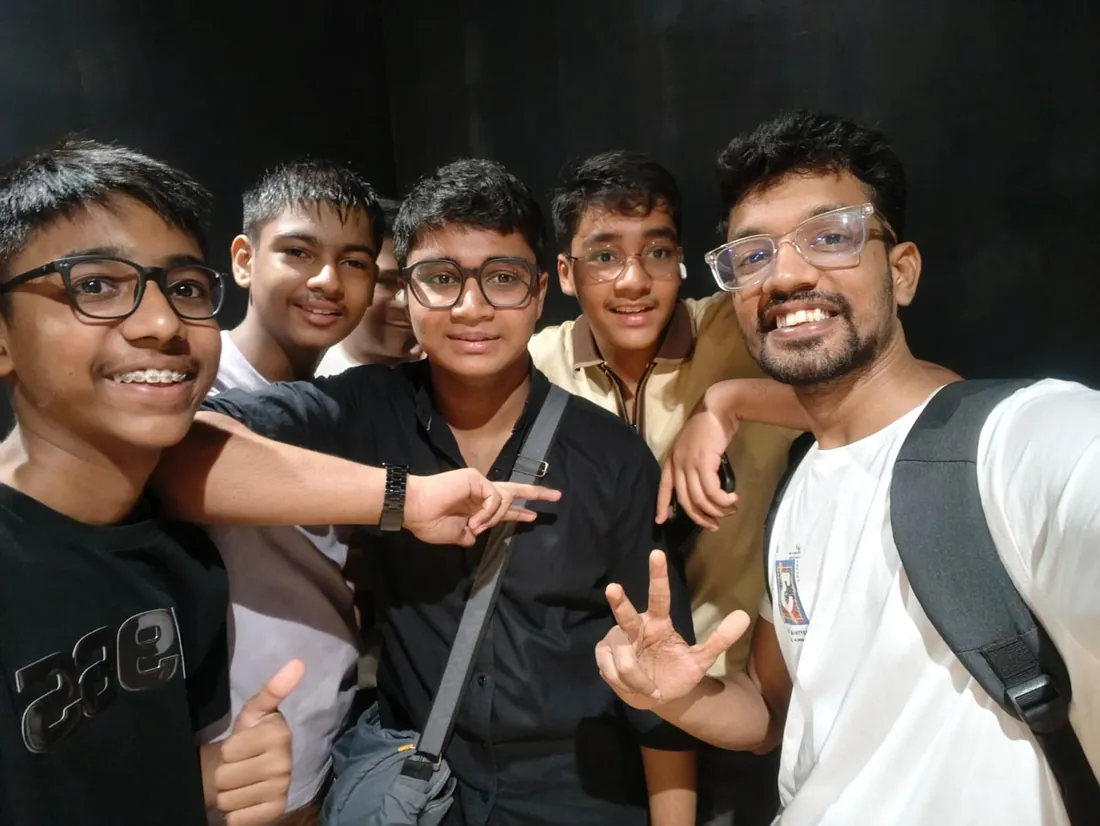
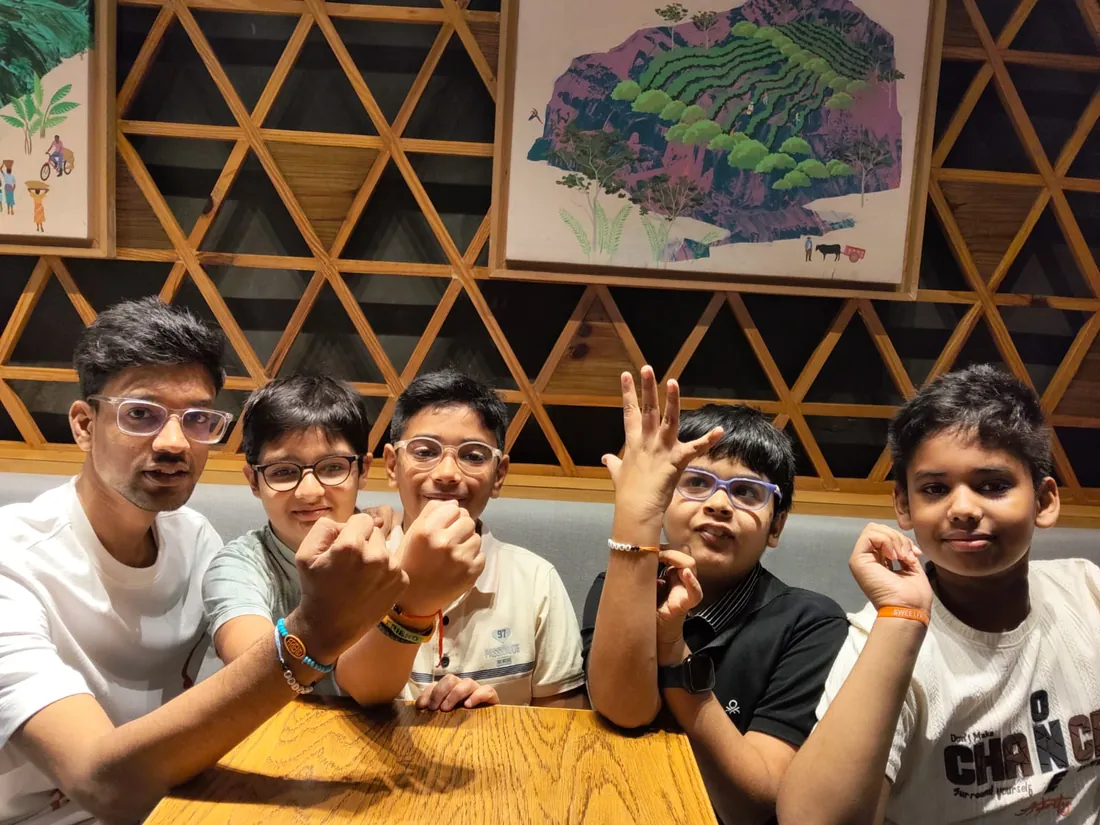
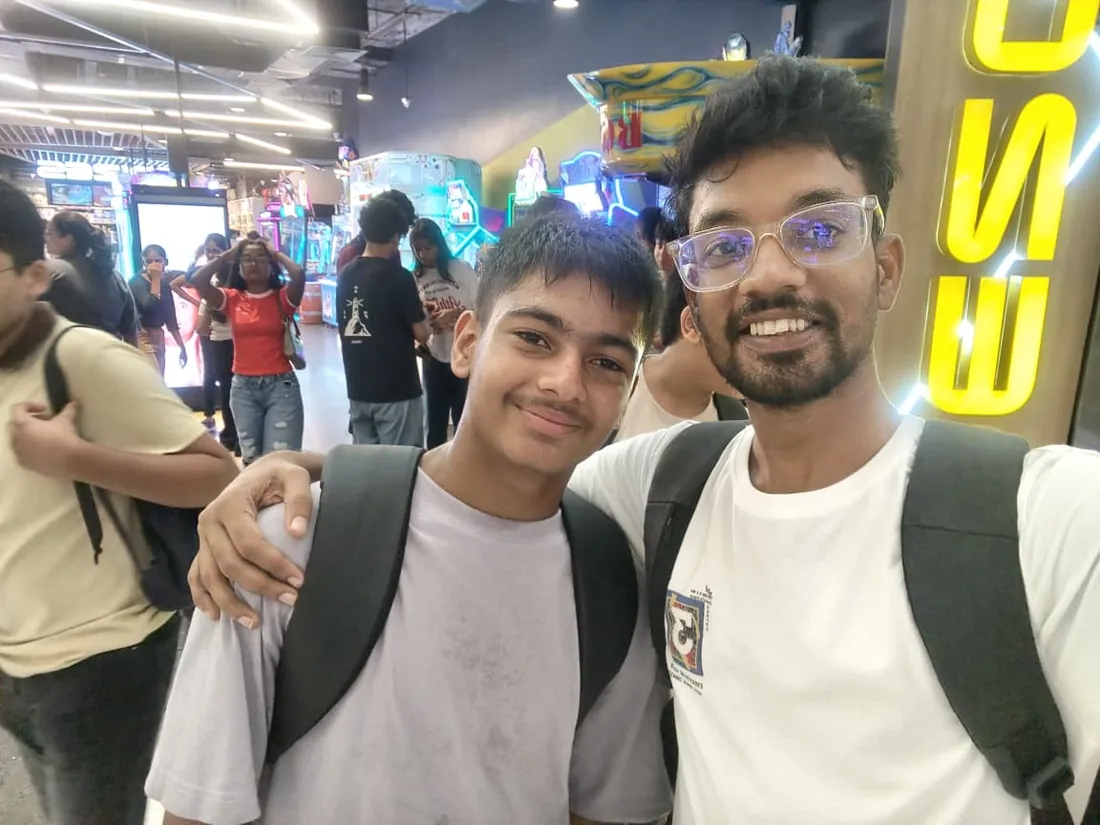
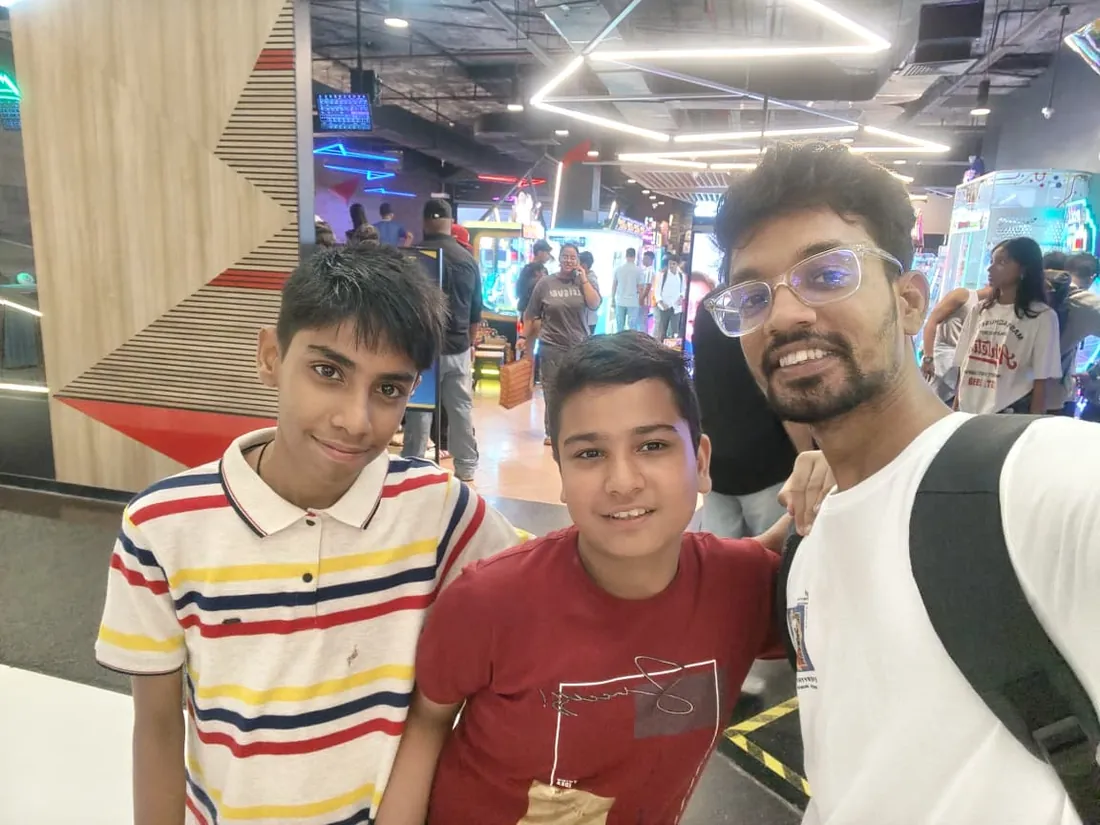
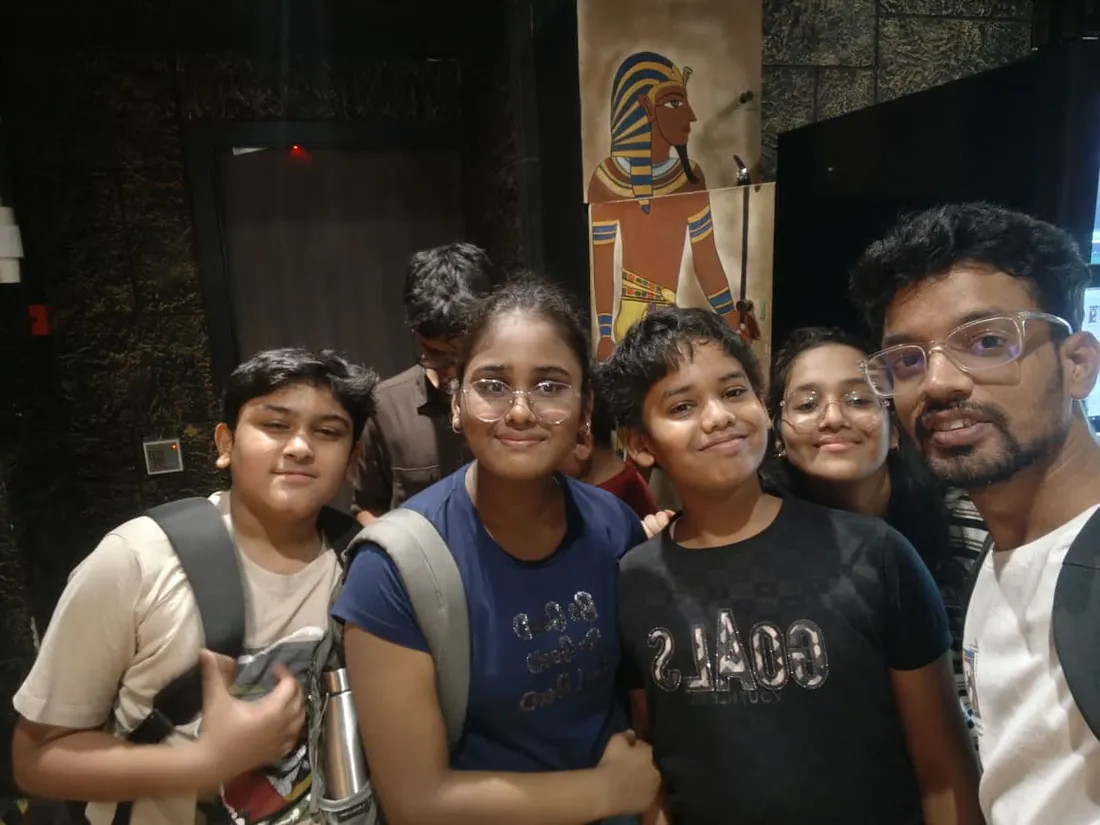
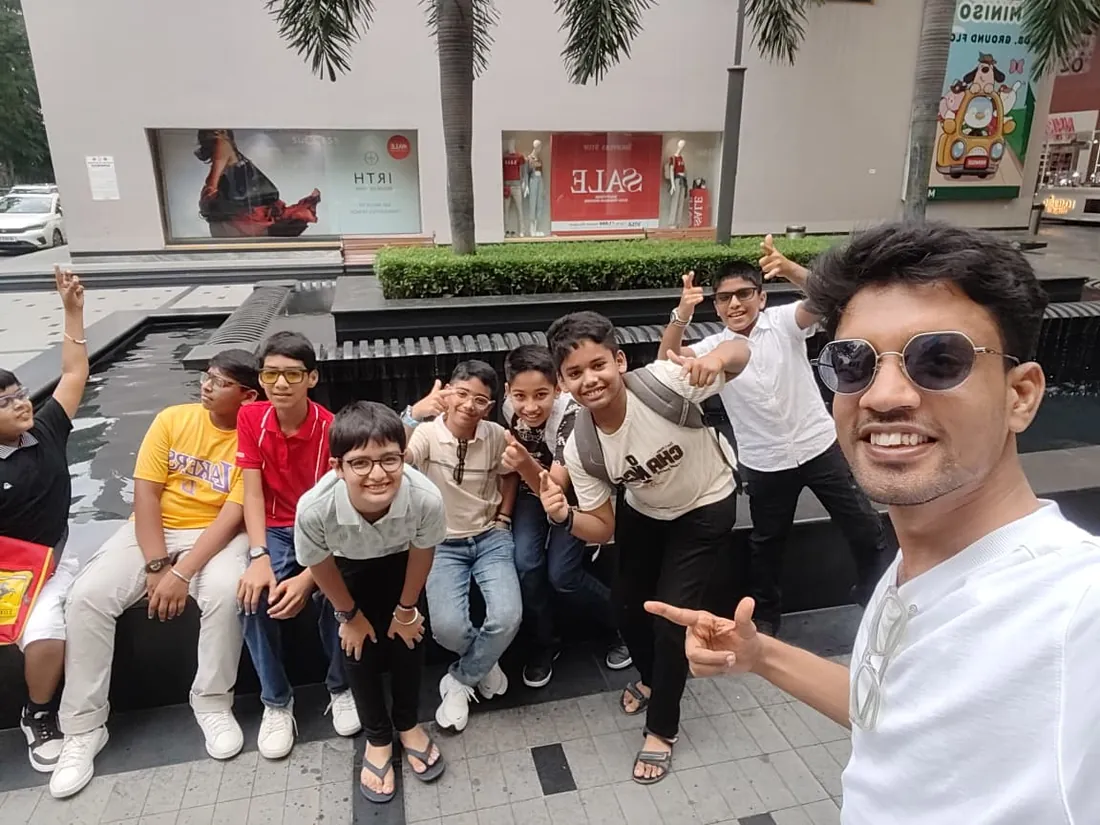
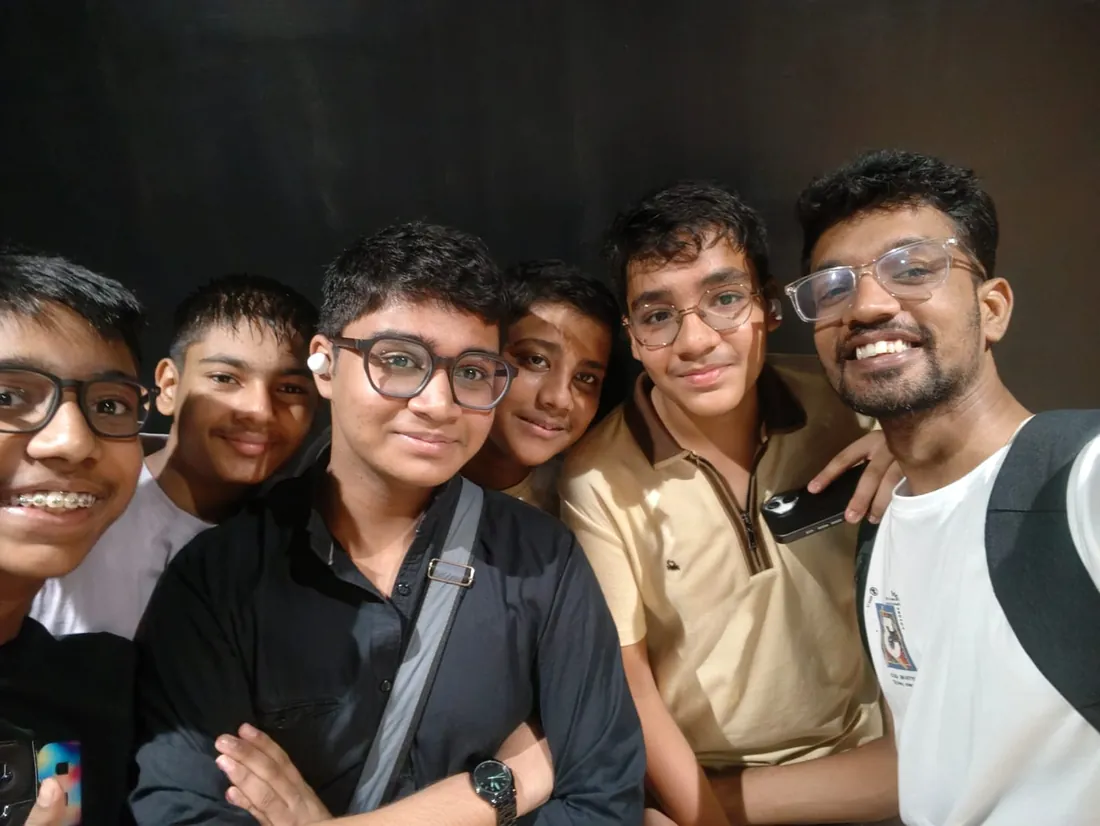
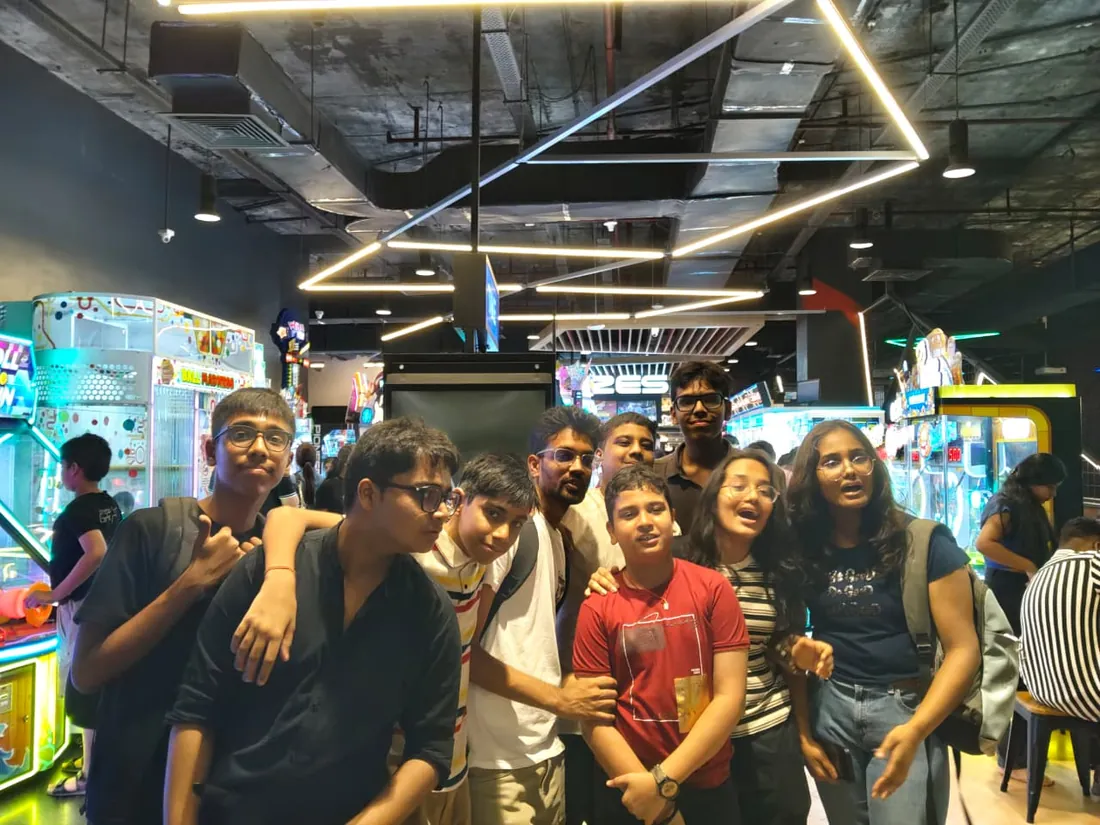
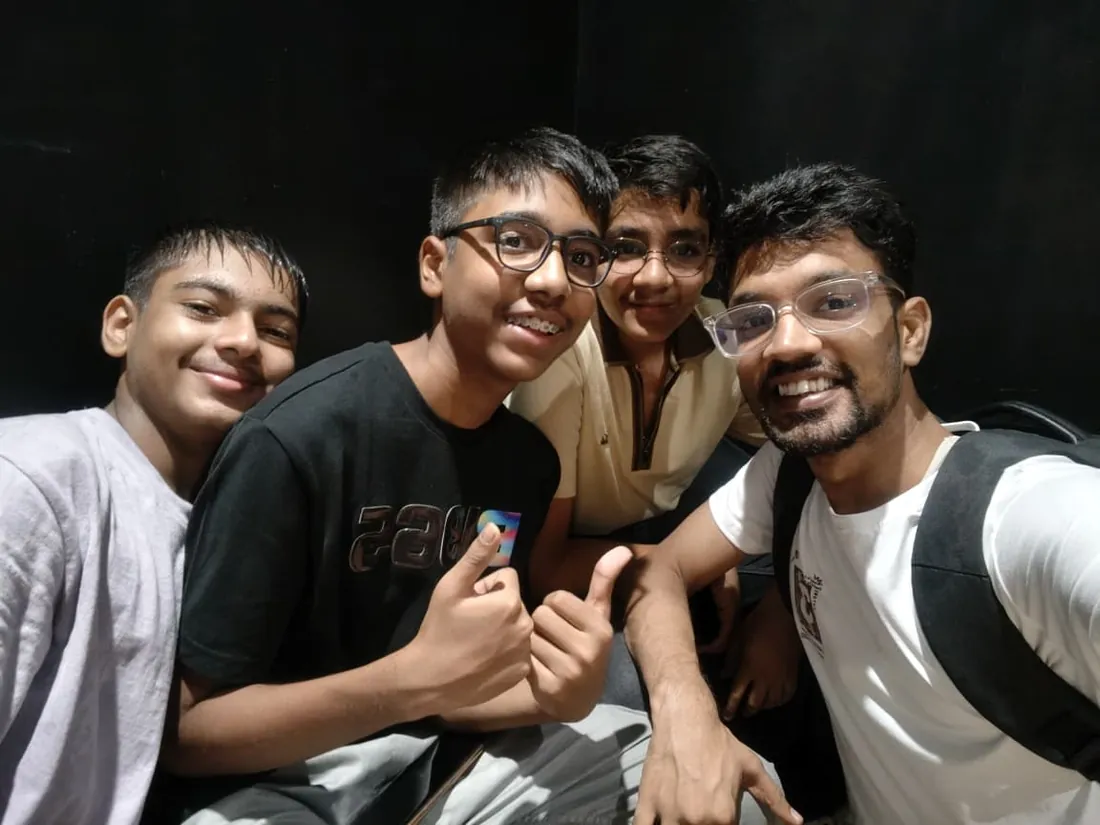
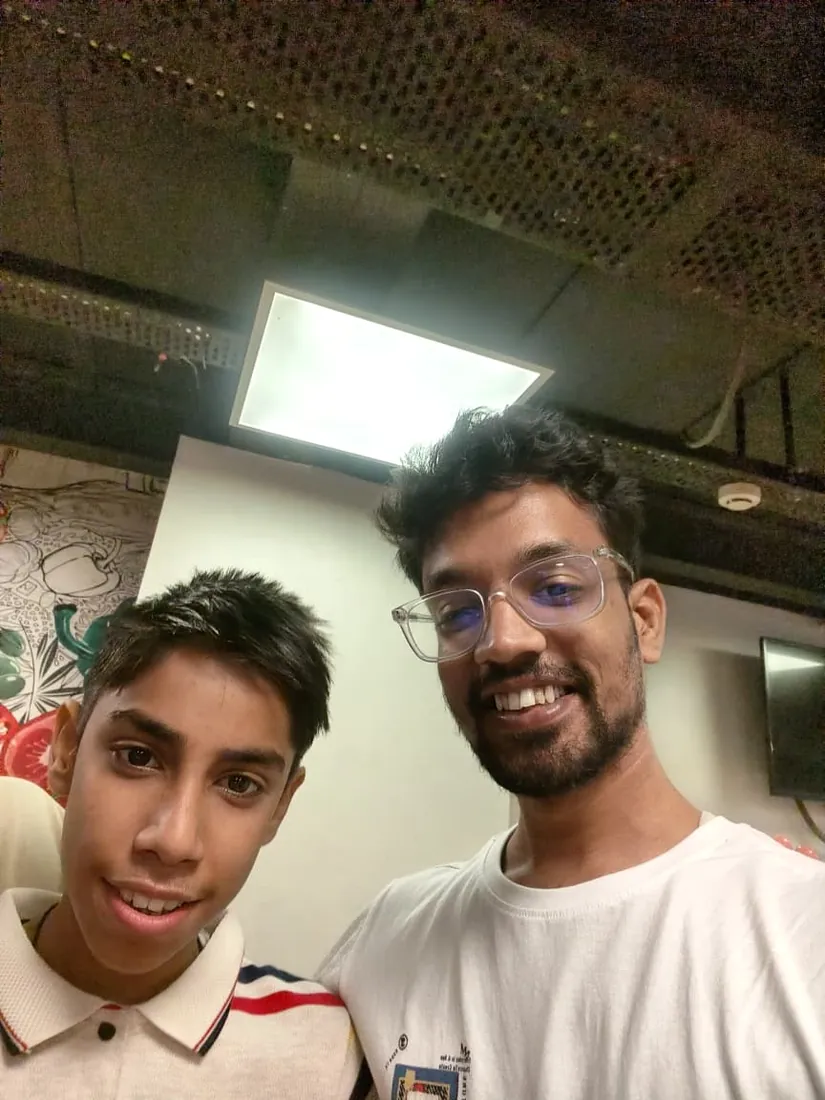
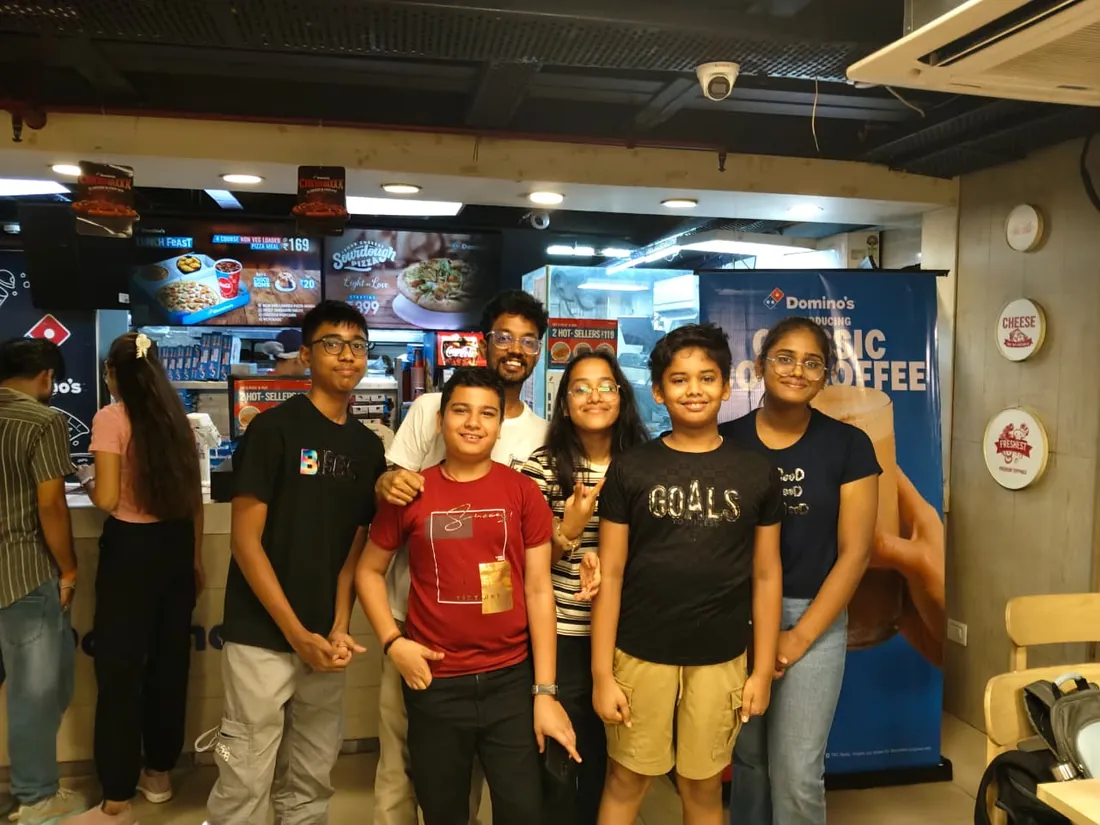
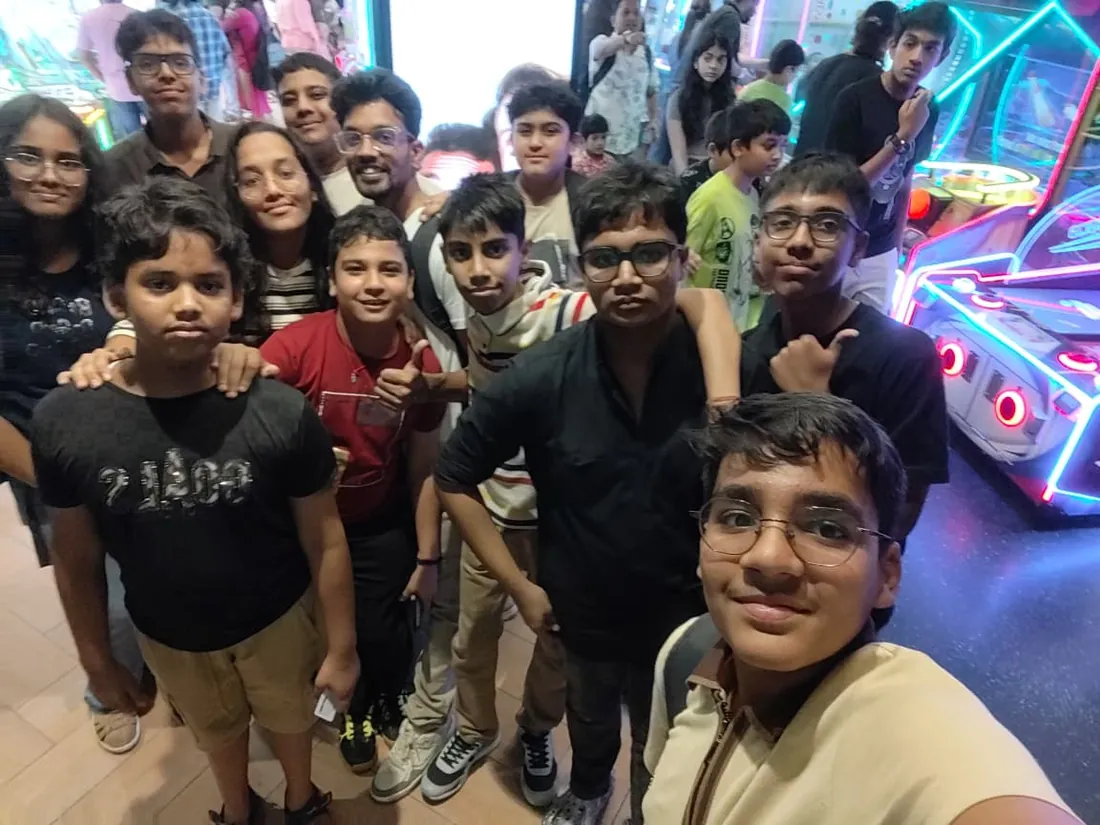
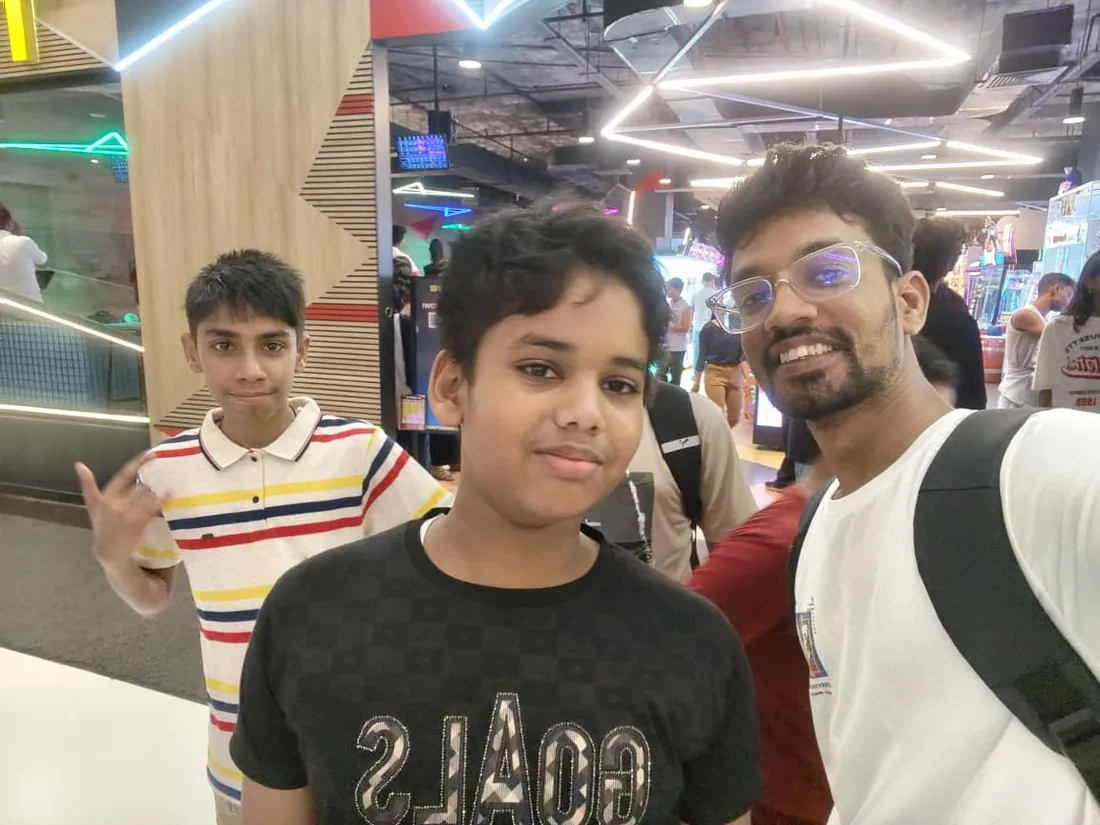
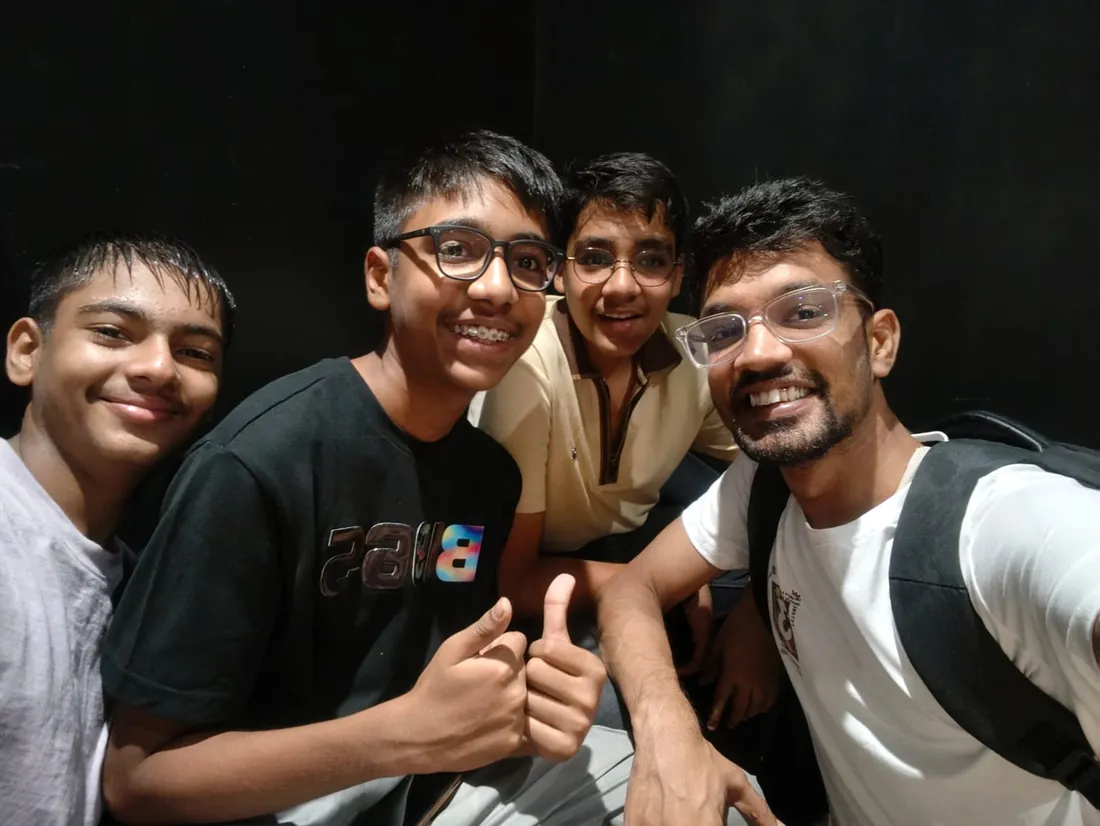
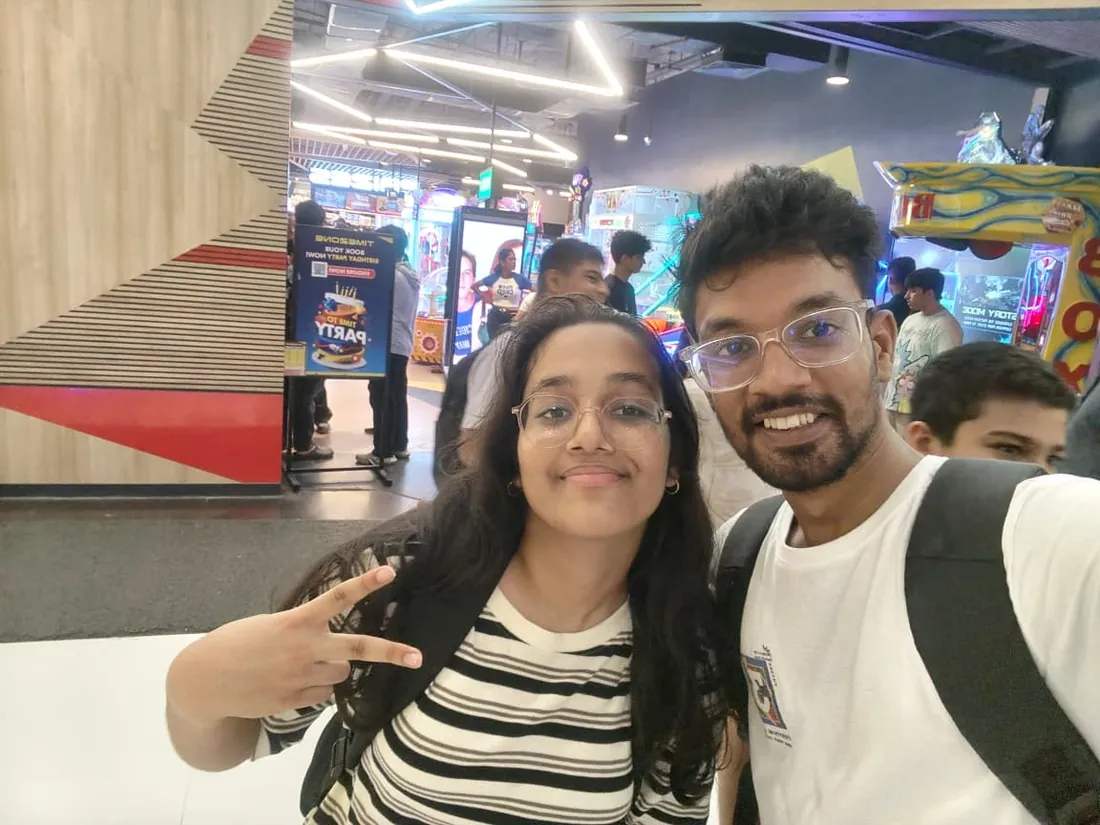
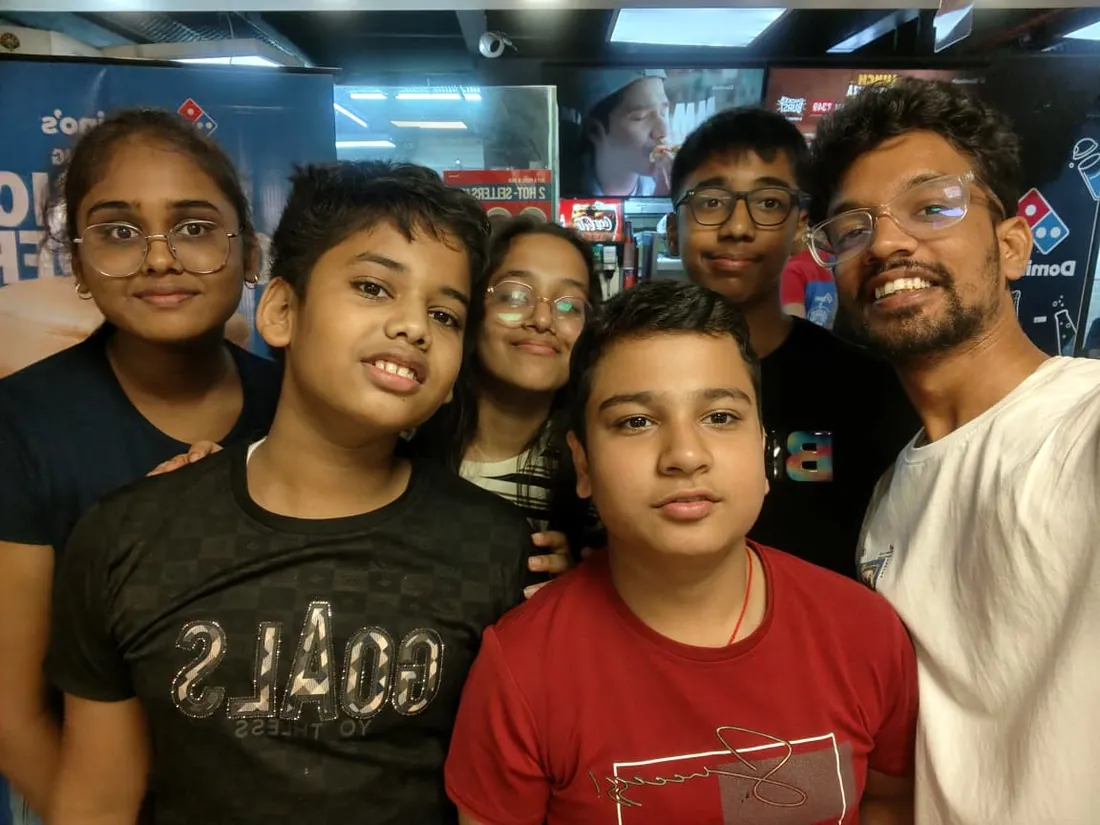
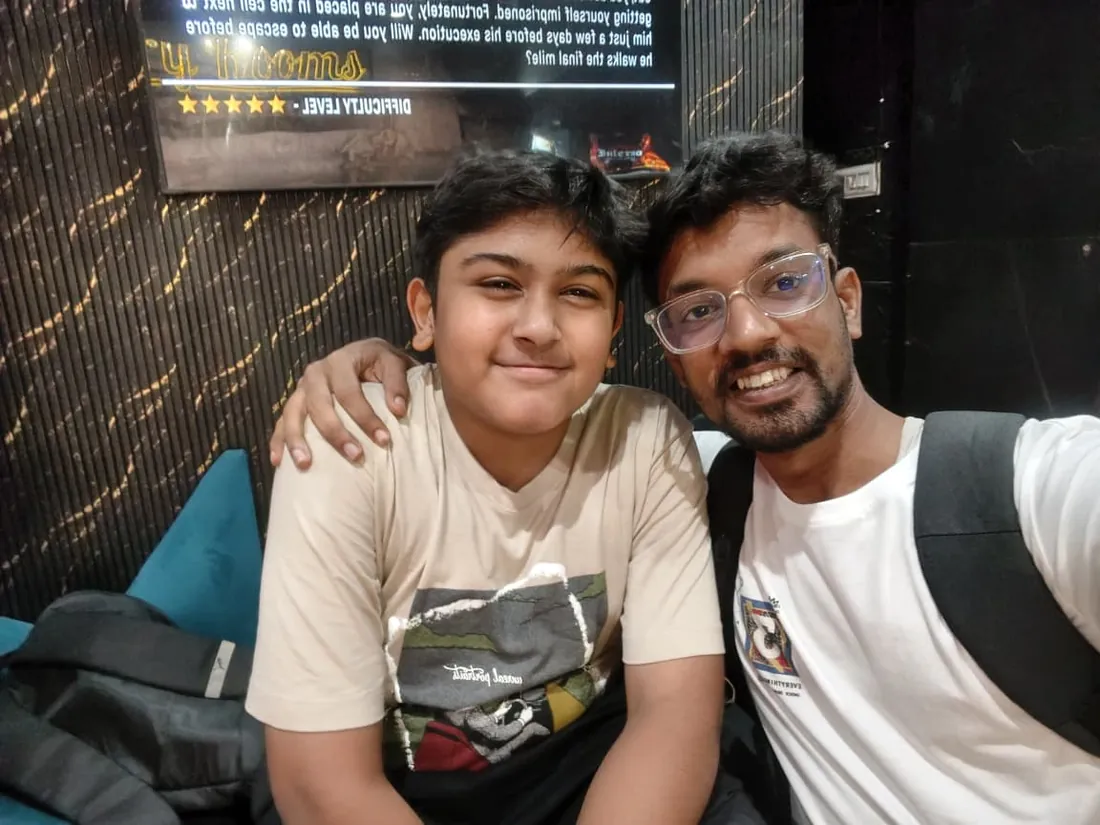
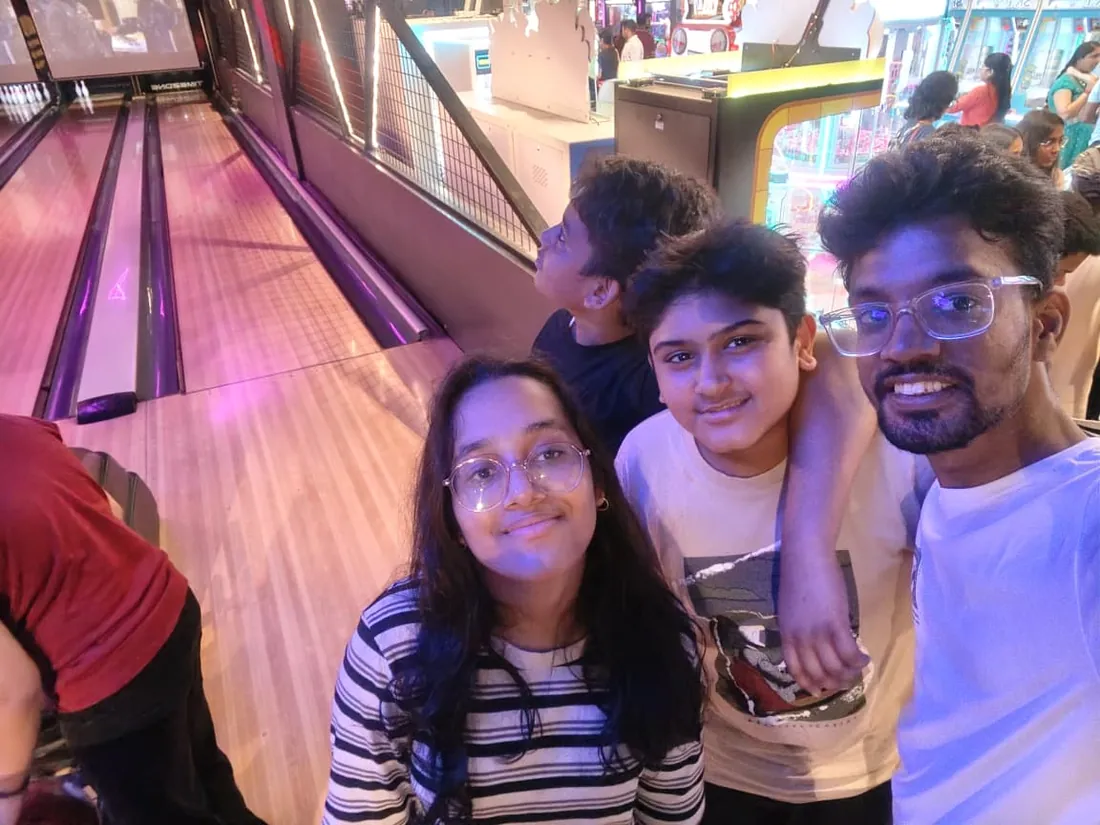
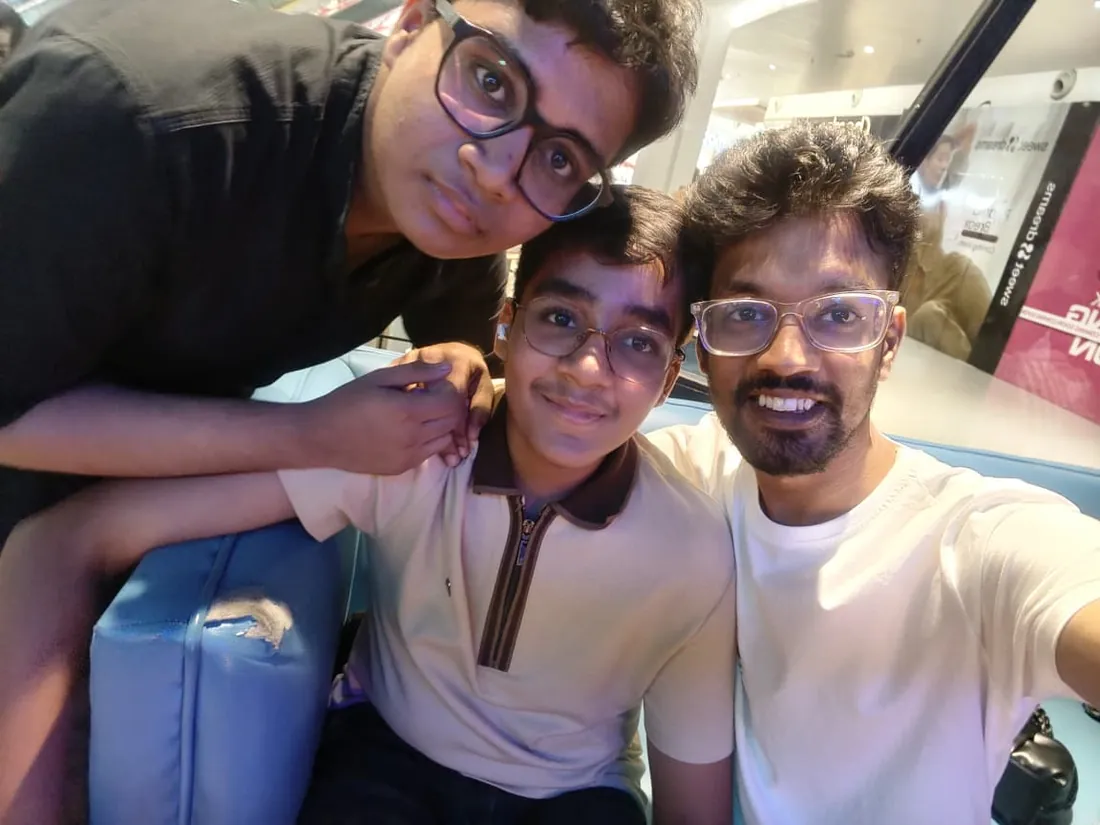
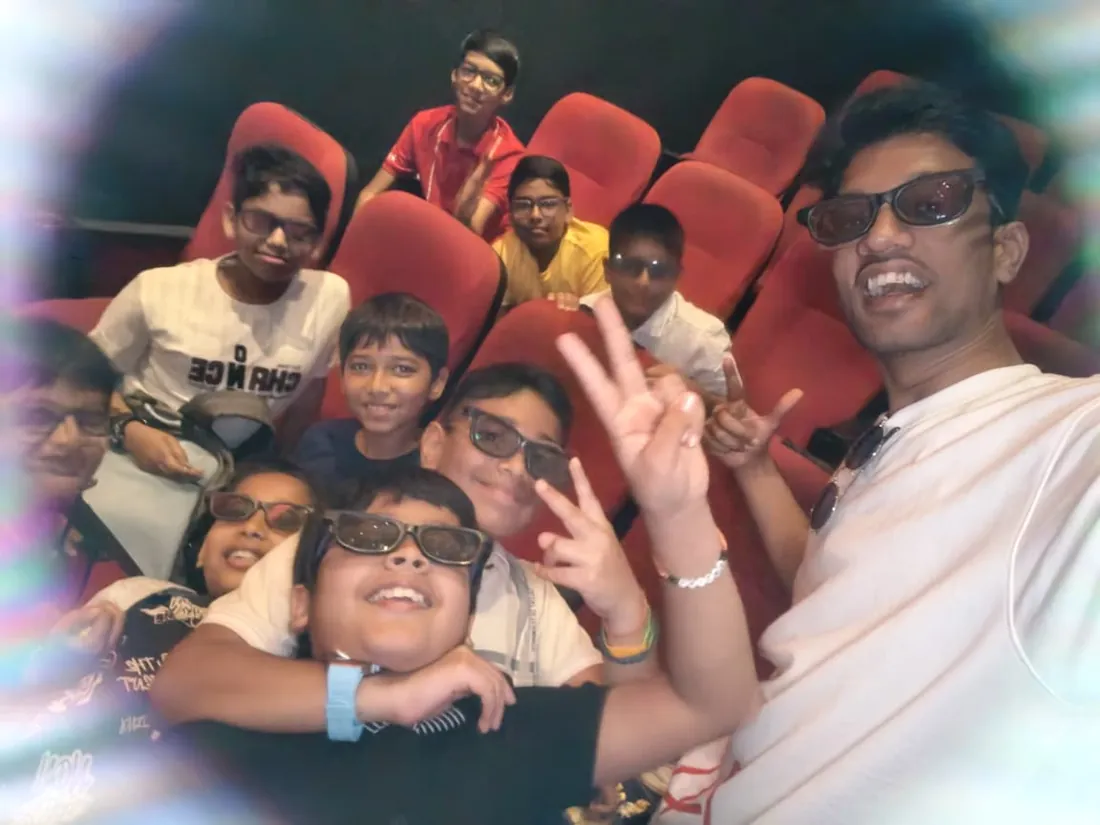
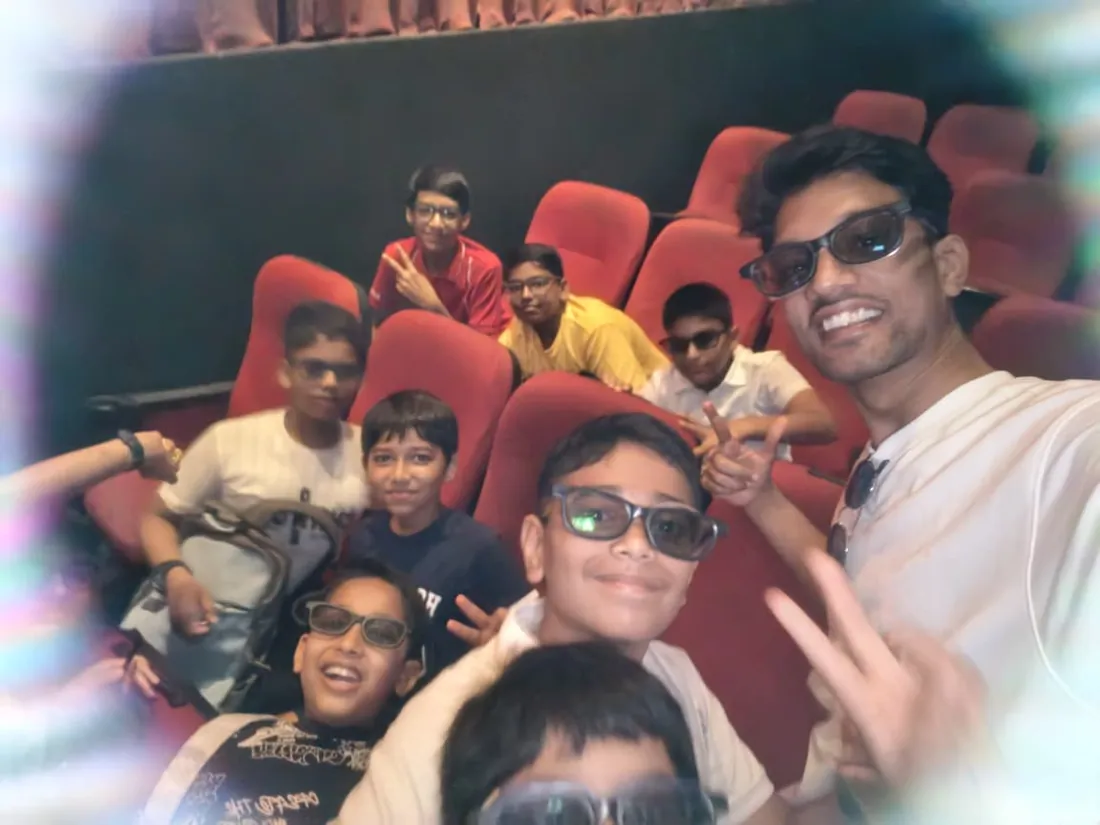
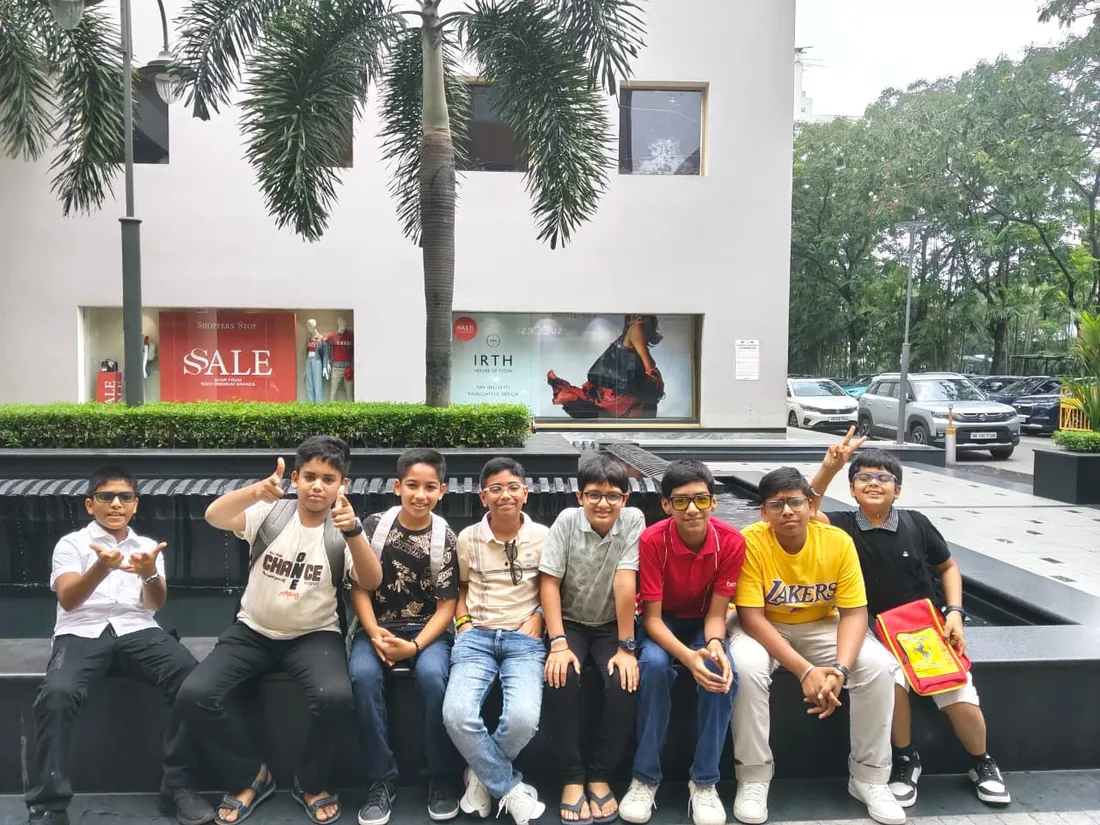
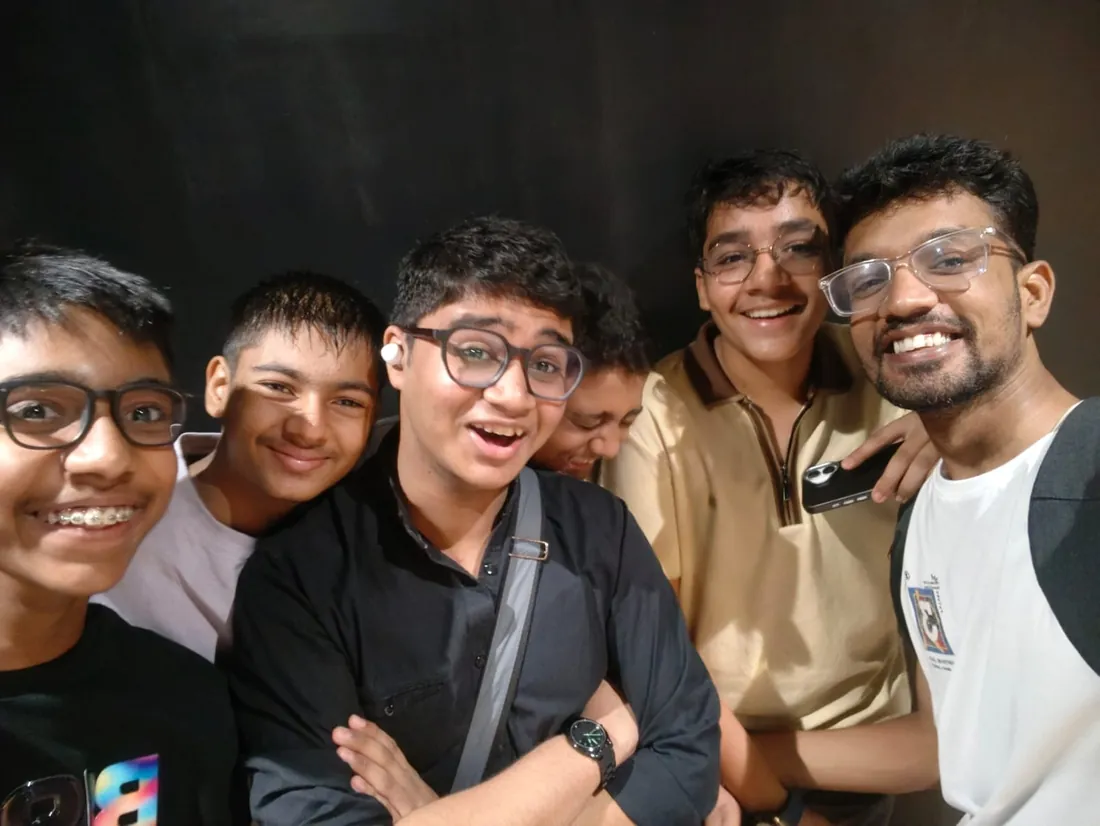
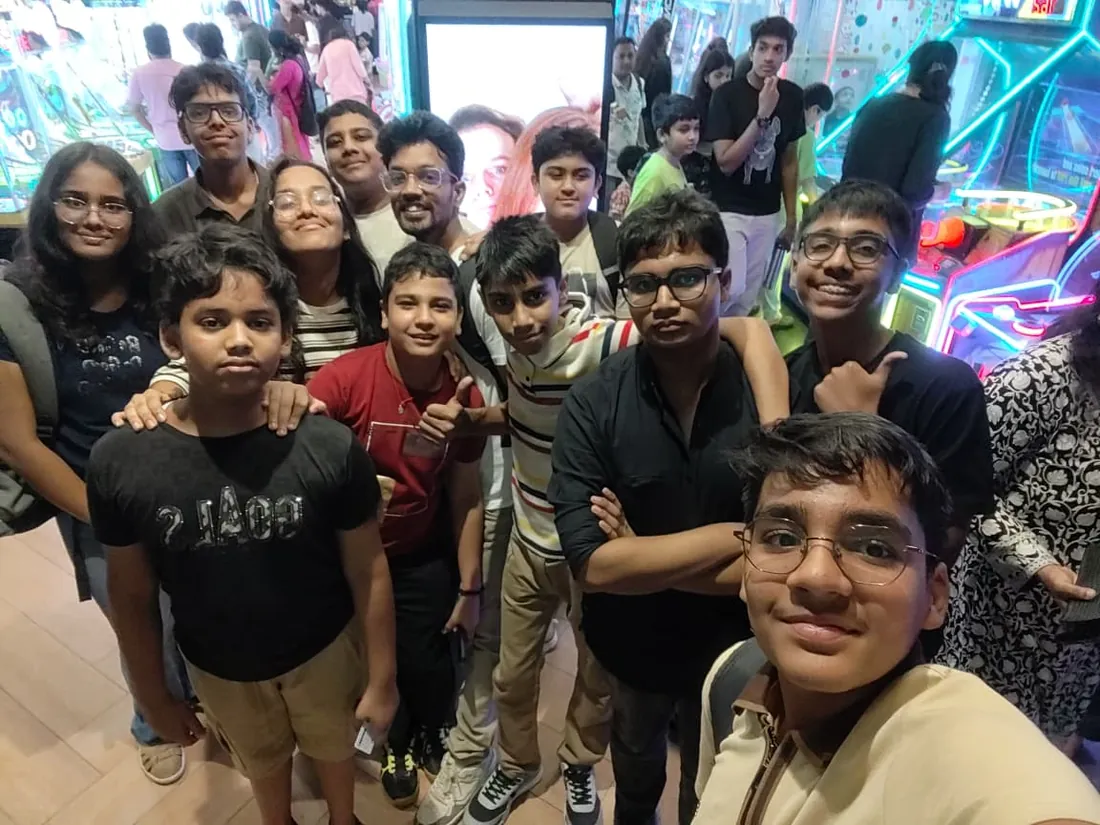
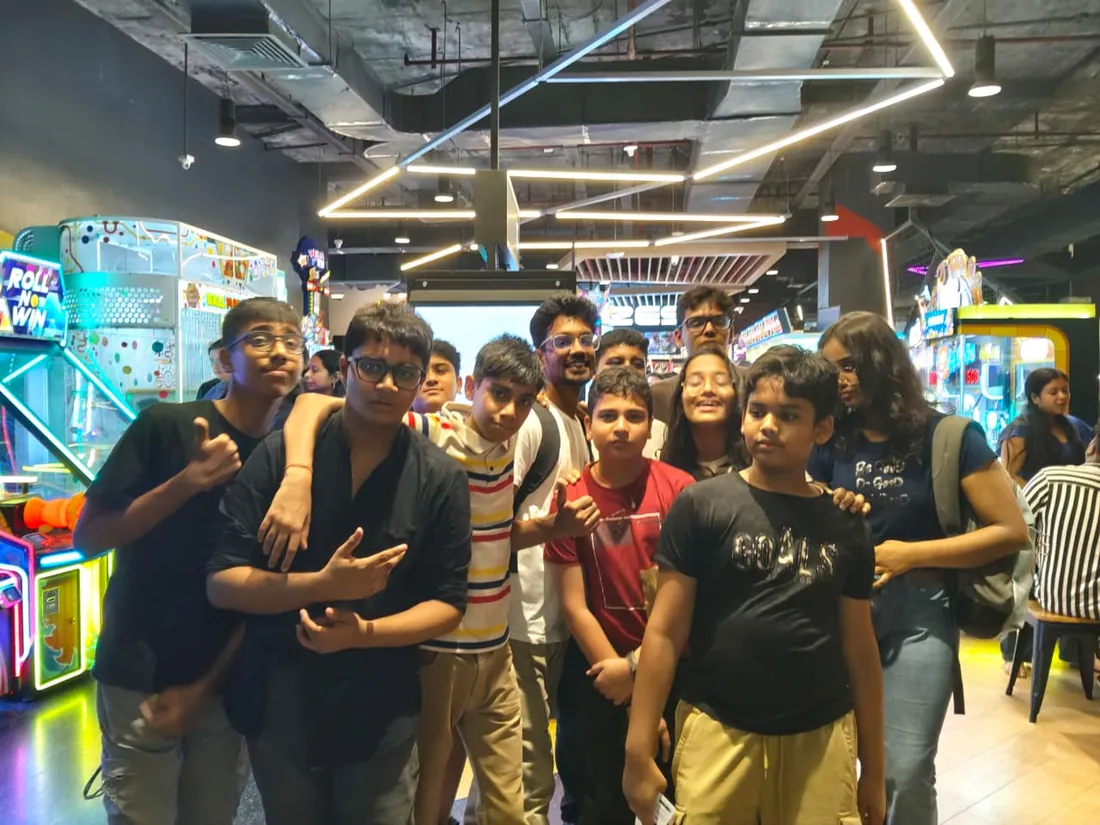
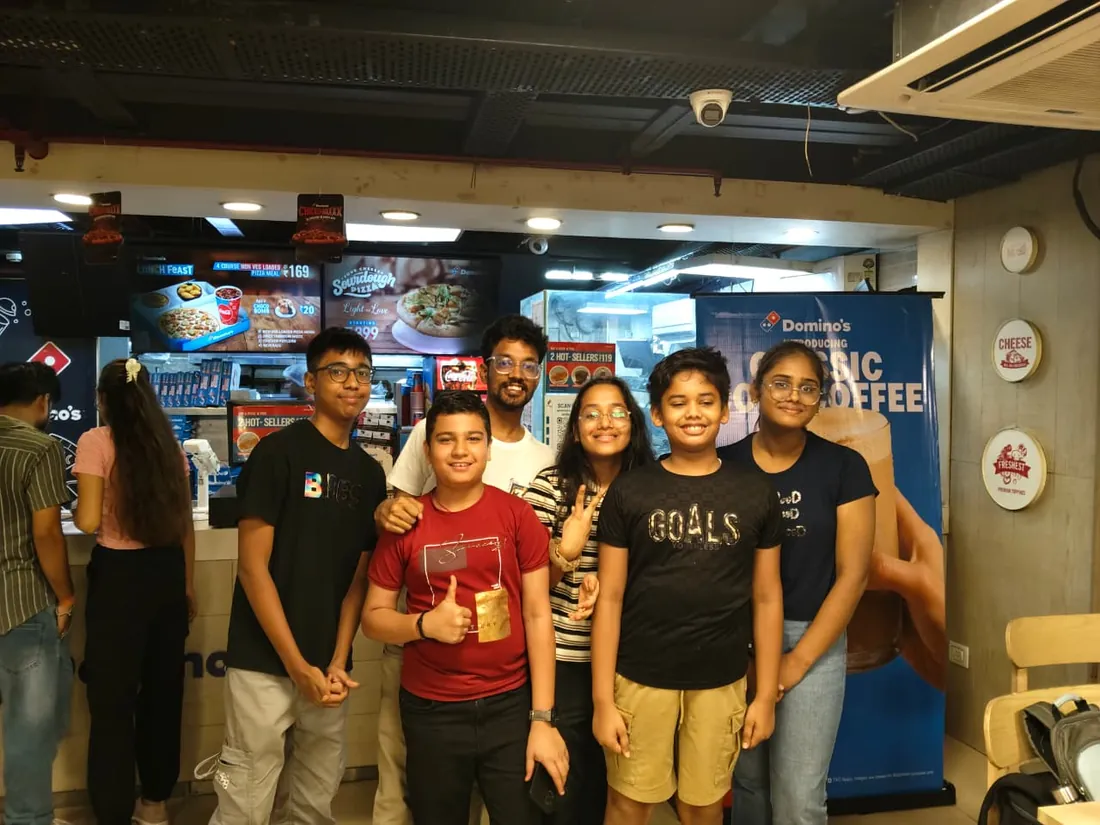
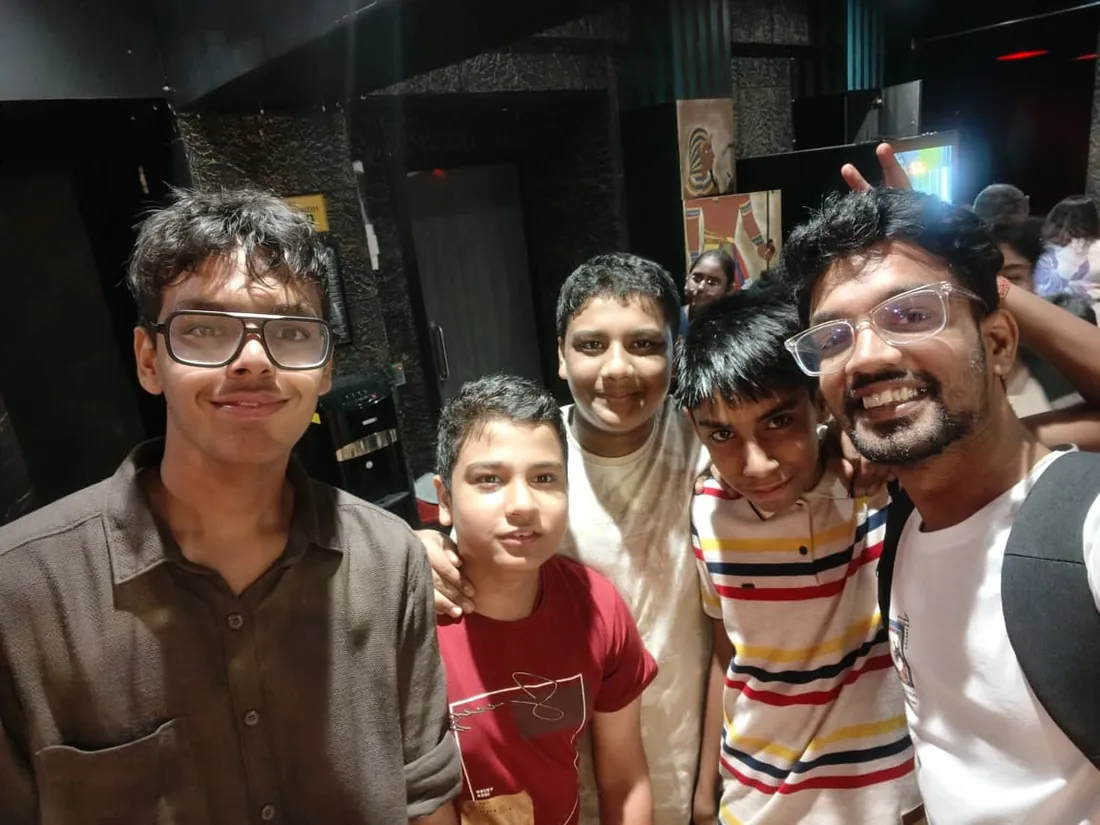
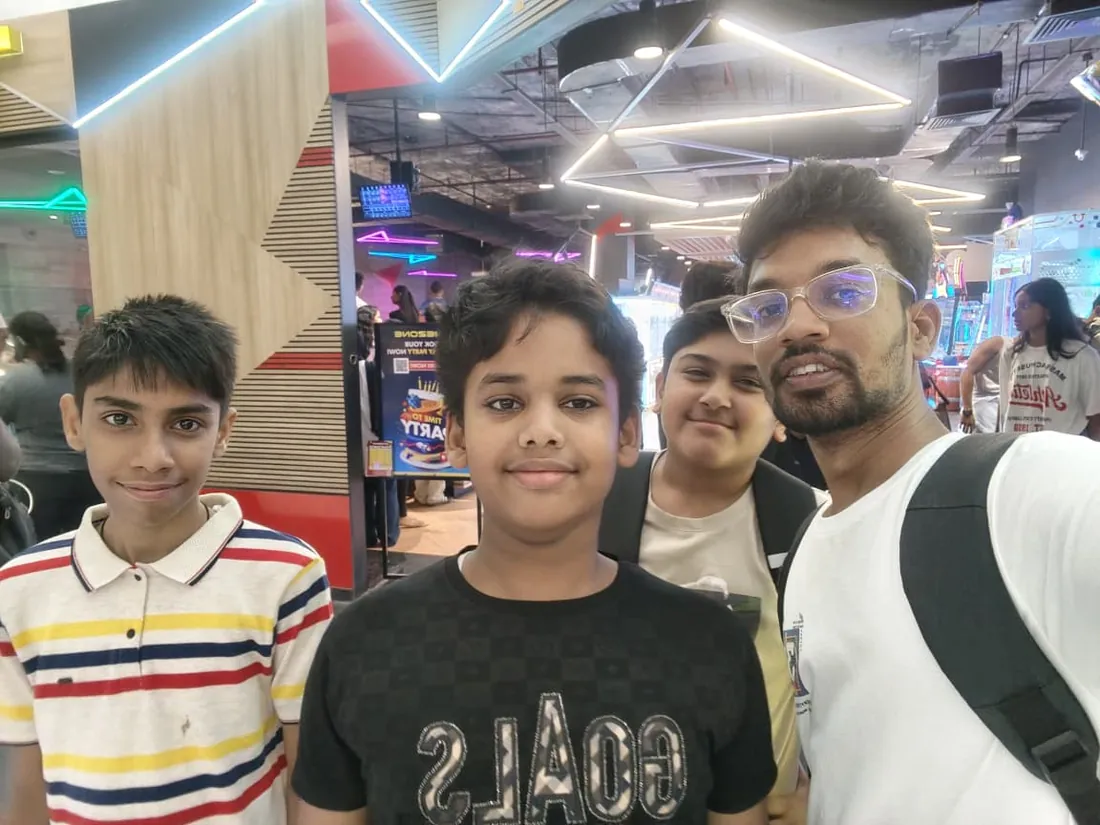
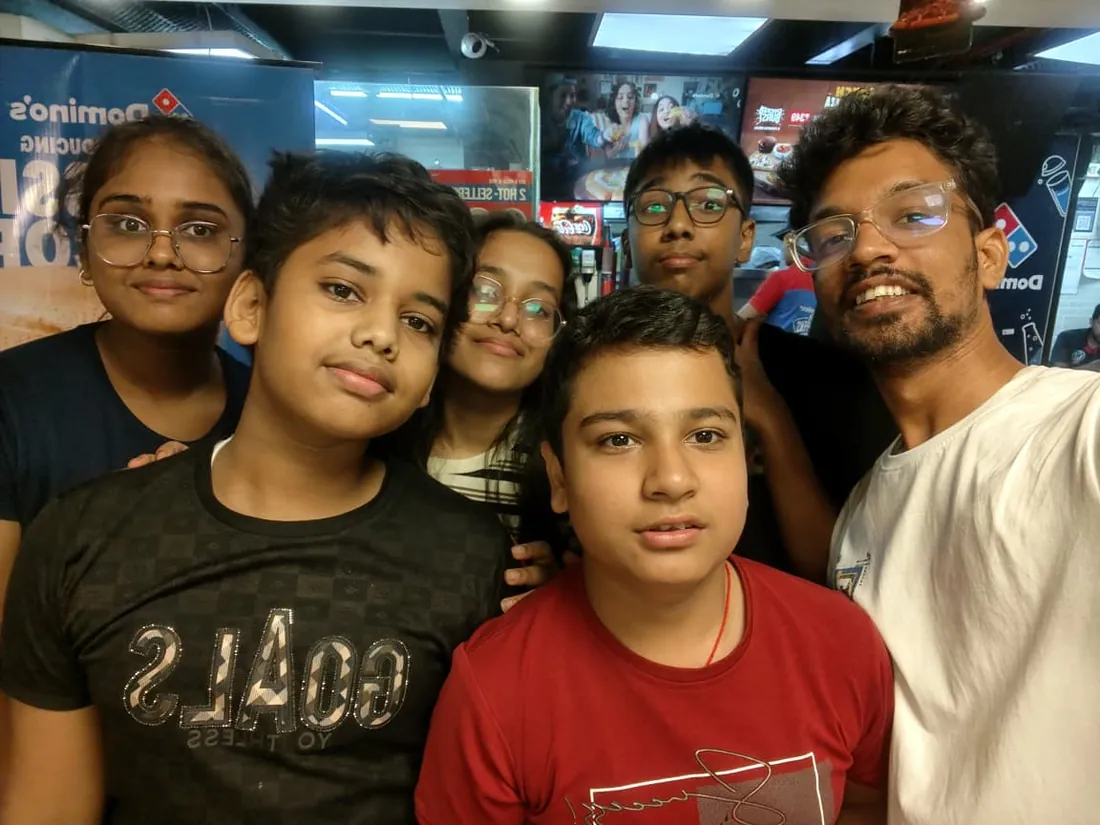
Real students. Real moments. Real joy.
These are our actual student meetups. No stock photos, no filters. Swipe through and meet the community you'll be joining.








What families say
Straight from the parents and students who learn with us. Rated 4.9 across 547 Google reviews.
“Mivaan enjoys the class. He understands the concepts and completes his tasks with excitement. He started taking interest in coding… truly amazing class.”
“I absolutely love it here! I made new friends and learned important valuable coding skills while having the fun of my life. It's not just coding here, it's outings, bonding and most importantly preparing you for your future. Definitely five stars.”
“What stands out most is how excited my son is before every class. He looks forward to learning, problem-solving, and sharing what he's built. I've noticed a big boost in his confidence!”
“Modern Age Coders has been a game-changer for me! I struggled to grasp IT concepts and coding before joining, but their classes transformed everything. I'm now the topper in my class and can confidently write complex programs with ease.”
“Modern Age Coder have wonderful teachers who teach in a clear, easy and practical way. The teacher boosts students' confidence, keeps them updated with technology, and inspires them to learn without hesitation.”
“The one step solution for my son. Modern Age Coders make learning coding so simple that kids love it.”
“Coding classes here make learning very interesting and conceptual. The teachers teach us in a very easy-to-understand and efficient manner.”
“One of the most wonderful education centres out there. Education is not limited to school syllabus but focuses on skill development. Learning here has been a wonderful journey and still continuing.”
“I highly recommend this computer coding class! The teachers are incredibly knowledgeable and passionate about coding. They make every session engaging and insightful.”
“My child Dhairya is really enjoying the Modern Age Coder IT classes. This is his first online class, and he eagerly looks forward to it.”
“Very good classes. Don't worry about coding. They teach the best, especially Shivam sir.”
“Very good classes. Makes learning very easy and interactive.”
Hear it from our students
Real parents and students in their own words, on our public YouTube channel.
Straight answers about Game Development Course: Unity, C# & Unreal Engine
- Who should take this course?
- Complete beginner (18+); college students, graduates and working professionals. Age: 18+; college students, graduates and working professionals. It suits students who want game development as a serious engineering path; professionals moving into games with the two-engine profile; developers who want c# and c++ craft with something playable to show.
- What will they learn and build?
- Game development is a craft with two centers of gravity, Unity with C# and Unreal with C++, and serious studios expect you to be deep in one and conversant in the other.
- How deeply are topics covered?
- The course runs 10-12 months (44-52 weeks) at 2 live classes/week + 4-6 hours practice, across 4 phases listed week by week in the syllabus below. A structured, well-paced curriculum taught step by step, with classwork in every session and problem sets after every class.
- Who teaches it?
- Modern Age Coders mentors, who teach the live classes themselves. You can watch them at work in the free class recordings before you decide.
- How do practice, feedback and assessment work?
- Monthly mixed reviews, cumulative phase exams, and a final exam that decides the certificate: real knowledge, real work. Doubt support between classes over WhatsApp, so you are never left stuck. A certificate you earn by passing the final exam, with a free retest after revision if needed.
- What does it cost?
- Three monthly plans: a group batch, a mini batch and 1-on-1. Prices are shown in your currency in the plans section. Monthly billing, cancel any time.
- When can classes take place?
- Live classes are scheduled around your week. Group batches meet at a fixed weekly slot; 1-on-1 students choose their own. International students are scheduled in their own timezone. Ask on WhatsApp for the current slots.
- Can I watch the teaching before deciding?
- Yes. Full recordings of real 13 and up classes are free to watch, free with a Google sign-in. These recordings show how we teach, not the exact syllabus of this course. Some classes are in English and some in Hindi; everyone follows at their own pace. Watch a class end to end, like you are in it. Sessions are interactive and each moment builds on the last.
- Can I enroll without a live demo?
- Yes. Choose a plan on this page and enroll directly; a booking or a demo is not required. A free live demo is optional, for anyone who wants to meet a mentor first. Outside India, our team confirms the plan and completes payment with you over WhatsApp, so allow a little time for that step.
Common Questions About Game Development Course: Unity, C# & Unreal Engine
Get answers to the most common questions about this comprehensive program
Still have questions? We're here to help!
Contact UsRelated Courses You May Like
Continue your learning journey with these recommended programs
 Game Development
Game Development for Teens: Unity, C# and Real Shipped Games
Game development course for teens aged 13-18: build and publish real 2D and 3D Unity games with C#, ...
Explore Course Game Development
Roblox Game Coding for Kids: Build Real Games in Luau
Roblox coding course for kids ages 8-14: live online classes in Roblox Studio and Luau scripting, fr...
Explore CourseRelated Articles & Guides
Deepen your knowledge with these hand-picked articles
 Career
18 min read
Career
18 min read
Competitive Coding vs Development Skills: What Should Students Focus On?
The great debate: should students focus on competitive programming or practical development skills? ...
Read Article Education
18 min read
Education
18 min read
Best Coding Courses Online for Students 2026-27: 21 Free and Paid Options Compared
The best coding courses online for students in 2026-27, free and paid, compared on teaching format, ...
Read ArticleReady to start Game Development Course: Unity, C# & Unreal Engine?
Book a free demo class to meet your mentor and see how we teach, with no commitment. Or enrol now and start this week.