
Table of Contents
- The AI Revolution for Small Business
- The ROI of AI: Real Numbers from Real Businesses
- Customer Service: Your 24/7 AI Assistant
- Marketing: Smarter Campaigns, Less Effort
- Operations: Automate the Repetitive Stuff
- Sales: AI-Powered Revenue Growth
- Finance: Smarter Money Management
- HR and Hiring: Finding the Right People
- Detailed Implementation Examples: How SMBs Are Actually Using AI
- Getting Started: A Practical Roadmap
- Common Mistakes to Avoid
- The Cost of Waiting
- Industry-Specific Use Case Scenarios
- Frequently Asked Questions
- Conclusion
A few years ago, artificial intelligence felt like something only massive corporations could afford. Custom AI systems cost millions. Machine learning required teams of PhD researchers. Automation meant expensive industrial robots.
That world is gone. Today, a local bakery uses AI to predict which pastries will sell out. A small accounting firm automates 80% of data entry. A boutique marketing agency creates content with AI assistance. The playing field has leveled dramatically.
If you run a small or medium business and haven't explored AI and automation yet, you're not behind, but you will be soon. This guide shows you exactly how these technologies are transforming SMBs and how you can start benefiting today.
The AI Revolution for Small Business
Let's be clear about what's changed: AI tools have become accessible, affordable, and actually useful for everyday business operations. You don't need a tech team or a massive budget. You need awareness of what's possible and willingness to experiment.
Why Now Is Different
- Cloud-based AI: No expensive hardware, just subscribe and use
- Pre-built solutions: Ready-to-use tools that don't require coding
- Affordable pricing: Many tools start free or under ₹5,000/month
- User-friendly interfaces: Designed for business owners, not engineers
- Proven results: Millions of businesses already using these tools successfully
The Numbers Don't Lie
According to recent studies, SMBs using AI report 40% reduction in operational costs and 35% increase in customer satisfaction. Early adopters are gaining significant competitive advantages.
The ROI of AI: Real Numbers from Real Businesses
Let's talk money. AI and automation aren't just cool technologies. They deliver measurable returns. Here's what businesses are actually seeing:
Cost Savings Breakdown
| Business Function | Average Time Saved | Cost Reduction | Typical ROI Timeline |
|---|---|---|---|
| Customer Service | 60-70% | ₹2-8 lakhs/year | 3-6 months |
| Marketing Content | 50-60% | ₹3-10 lakhs/year | 2-4 months |
| Data Entry & Admin | 70-80% | ₹4-12 lakhs/year | 1-3 months |
| Sales Lead Qualification | 40-50% | ₹5-15 lakhs/year | 4-8 months |
| Inventory Management | 30-40% | ₹8-25 lakhs/year | 6-12 months |
| Financial Processing | 50-65% | ₹3-10 lakhs/year | 3-6 months |
These aren't projections. They're actual results from SMBs that have implemented AI and automation. The key insight? ROI comes quickly, often within the first quarter.
Revenue Impact: Beyond Cost Savings
Cost reduction is just half the story. AI also drives revenue growth:
- Increased conversion rates: AI-powered personalization boosts conversions by 15-30%
- Higher customer lifetime value: Better service and recommendations increase repeat purchases by 20-40%
- Faster sales cycles: Automated lead nurturing reduces time-to-close by 25-35%
- Expanded capacity: Same team handles 30-50% more customers without quality loss
- New revenue streams: AI enables services that weren't economically viable before
Real ROI Example
A 25-person consulting firm invested ₹8 lakhs in AI tools (CRM automation, content generation, scheduling). Within 12 months: ₹18 lakhs saved in operational costs, 35% increase in billable hours, 8 new clients acquired through better lead nurturing. Total ROI: 325%.
Customer Service: Your 24/7 AI Assistant
Customer service is where most SMBs feel AI's impact first. The reason is simple: customers expect instant responses, but small teams can't be available around the clock.
AI Chatbots That Actually Work
Modern AI chatbots aren't the frustrating bots of five years ago. They understand context, handle complex queries, and know when to escalate to humans. They can:
- Answer FAQs instantly, 24/7
- Process orders and bookings
- Handle returns and complaints
- Provide product recommendations
- Collect customer feedback
- Qualify leads before human follow-up
A small e-commerce store implemented an AI chatbot and reduced customer service emails by 60%. The bot handles routine queries while the owner focuses on complex issues that need human touch.
Tools to Consider
- Tidio: Easy setup, great for e-commerce
- Intercom: Powerful but pricier, excellent for SaaS
- Freshdesk: Full helpdesk with AI features
- WhatsApp Business API: AI-powered responses on WhatsApp
Marketing: Smarter Campaigns, Less Effort
Marketing is time-consuming and expensive, unless you let AI handle the heavy lifting. From content creation to ad optimization, AI is transforming how small businesses reach customers.
Content Creation
AI writing tools can draft blog posts, social media content, email campaigns, and ad copy. They won't replace your unique voice, but they'll give you a strong starting point that you can refine.
- Generate blog post outlines and first drafts
- Create multiple versions of ad copy for testing
- Write product descriptions at scale
- Draft email sequences for different customer segments
- Repurpose content across platforms automatically
Ad Optimization
AI-powered ad platforms analyze performance in real-time and adjust targeting, bidding, and creative elements automatically. What used to require a marketing agency can now be handled by smart algorithms.
- Google Ads Smart Campaigns optimize automatically
- Facebook's AI finds your best audience segments
- Tools like AdEspresso test multiple variations simultaneously
- Predictive analytics show which campaigns will perform best
Start Small
Don't try to automate everything at once. Pick one marketing task that takes too much time, like social media posting, and automate that first. Build from there.
Operations: Automate the Repetitive Stuff
Every business has tasks that are necessary but mind-numbing. Data entry. Invoice processing. Appointment scheduling. Report generation. These are perfect candidates for automation.
What Can Be Automated
- Invoicing: Auto-generate and send invoices when orders complete
- Scheduling: Let customers book appointments without back-and-forth emails
- Data entry: Extract information from documents automatically
- Inventory: Reorder products when stock hits certain levels
- Reporting: Generate daily/weekly reports automatically
- Email sorting: Categorize and prioritize incoming emails
The Power of Workflow Automation
Tools like Zapier and Make (formerly Integromat) connect your apps and automate workflows without coding. For example:
- Customer fills out a form on your website
- Their info automatically goes to your CRM
- A welcome email sends immediately
- A task is created for your sales team to follow up
- The lead is added to your email marketing list
All of this happens without anyone lifting a finger. What used to take 15 minutes per lead now takes zero.
Sales: AI-Powered Revenue Growth
AI is transforming sales from a numbers game to a smart game. Instead of calling everyone and hoping, AI helps you focus on the right prospects at the right time.
Lead Scoring and Prioritization
AI analyzes your past customers and identifies patterns. Which leads are most likely to convert? Which need more nurturing? AI scores leads so your team focuses energy where it matters most.
Personalization at Scale
Personalized outreach converts better, but personalizing for hundreds of prospects is impossible manually. AI can:
- Research prospects and find relevant talking points
- Customize email templates for each recipient
- Recommend products based on browsing history
- Time outreach for when prospects are most likely to respond
- Suggest next best actions for each deal
Sales Forecasting
AI analyzes your pipeline and predicts which deals will close, when, and for how much. This helps with planning, resource allocation, and setting realistic targets.
Finance: Smarter Money Management
Financial management is critical for SMBs, and AI is making it easier and more accurate than ever.
Automated Bookkeeping
AI-powered accounting tools can categorize transactions, reconcile accounts, and flag anomalies automatically. What used to take hours of manual work happens in the background.
- Auto-categorize expenses from bank feeds
- Match invoices to payments automatically
- Flag unusual transactions for review
- Generate financial reports on demand
- Predict cash flow based on patterns
Expense Management
AI can scan receipts, extract information, and file expenses automatically. No more manual data entry or lost receipts.
Fraud Detection
AI monitors transactions and flags suspicious activity in real-time. For businesses handling customer payments, this protection is invaluable.
HR and Hiring: Finding the Right People
Hiring is expensive and time-consuming. AI helps SMBs compete for talent against larger companies with bigger HR departments.
Resume Screening
AI can screen hundreds of resumes in minutes, identifying candidates who match your requirements. This doesn't replace human judgment. It filters the pile so you review the most promising candidates.
Interview Scheduling
AI scheduling tools eliminate the back-and-forth of finding interview times. Candidates pick from available slots, and everything syncs automatically.
Employee Engagement
AI-powered surveys and analytics help you understand employee satisfaction and predict turnover before it happens.
Detailed Implementation Examples: How SMBs Are Actually Using AI
Let's get specific. Here are detailed examples of how different types of businesses are implementing AI and automation, including the tools they use, costs involved, and results achieved.
Example 1: Local Restaurant Chain (Food & Beverage)
Business Profile: 5 locations, 80 employees, ₹8 crore annual revenue
Challenge: High food waste (20% of inventory), inconsistent customer service, manual scheduling causing conflicts
AI Solutions Implemented:
- AI Inventory Management (Apicbase): ₹25,000/month - Predicts demand based on weather, events, historical data, day of week
- Chatbot for Orders (Chatfuel): ₹8,000/month - Handles online orders, reservations, FAQs on WhatsApp and website
- Staff Scheduling (7shifts): ₹12,000/month - Auto-generates schedules based on predicted demand and staff availability
- Customer Feedback Analysis (MonkeyLearn): ₹6,000/month - Analyzes reviews and feedback to identify trends
Total Investment: ₹51,000/month (₹6.12 lakhs/year) + ₹2 lakhs setup
Results After 12 Months:
- Food waste reduced from 20% to 8% = ₹15 lakhs saved
- Online orders increased 45% through easier ordering = ₹22 lakhs additional revenue
- Staff scheduling time reduced from 8 hours/week to 1 hour = ₹3.5 lakhs saved
- Customer satisfaction scores improved from 3.8 to 4.6 stars
- Manager time freed up for customer relationships and quality control
ROI: ₹40.5 lakhs benefit vs ₹8.12 lakhs cost = 399% ROI in first year
Example 2: Boutique Marketing Agency (Professional Services)
Business Profile: 10 employees, ₹2.5 crore annual revenue, serving 25 clients
Challenge: Content creation bottleneck, manual reporting taking 20 hours/week, difficulty scaling without hiring
AI Solutions Implemented:
- AI Content Assistant (Jasper): ₹15,000/month - Drafts blog posts, social media content, ad copy
- Automated Reporting (Supermetrics + Google Data Studio): ₹8,000/month - Auto-generates client reports
- Ad Optimization (Madgicx): ₹20,000/month - AI-powered Facebook/Instagram ad management
- Project Management Automation (ClickUp with AI): ₹10,000/month - Auto-assigns tasks, predicts bottlenecks
Total Investment: ₹53,000/month (₹6.36 lakhs/year) + ₹1.5 lakhs training
Results After 12 Months:
- Content production increased 60% with same team
- Reporting time reduced from 20 hours/week to 3 hours = ₹8.5 lakhs saved
- Client capacity increased from 25 to 35 clients = ₹1 crore additional revenue
- Ad performance improved 28% through AI optimization
- Team satisfaction increased (less boring work, more creative work)
ROI: ₹1.085 crore benefit vs ₹7.86 lakhs cost = 1,280% ROI in first year
Example 3: E-commerce Fashion Store (Retail)
Business Profile: Online-only, 15 employees, ₹5 crore annual revenue, 50,000 customers
Challenge: High cart abandonment (72%), generic product recommendations, manual customer service overwhelming team
AI Solutions Implemented:
- AI Product Recommendations (Nosto): ₹30,000/month - Personalized product suggestions based on behavior
- Chatbot for Customer Service (Tidio): ₹12,000/month - Handles size queries, order tracking, returns
- Dynamic Pricing (Prisync): ₹15,000/month - Adjusts prices based on competition and demand
- Email Automation (Klaviyo): ₹18,000/month - AI-powered abandoned cart recovery, personalized campaigns
Total Investment: ₹75,000/month (₹9 lakhs/year) + ₹2.5 lakhs setup
Results After 12 Months:
- Average order value increased 25% through better recommendations = ₹1.25 crore additional revenue
- Cart abandonment reduced from 72% to 58% = ₹45 lakhs recovered revenue
- Customer service tickets reduced 65% = ₹6 lakhs saved in support costs
- Repeat purchase rate increased from 18% to 29%
- Customer lifetime value increased 40%
ROI: ₹1.76 crore benefit vs ₹11.5 lakhs cost = 1,430% ROI in first year
Example 4: Accounting Firm (Professional Services)
Business Profile: 20 employees, ₹3 crore annual revenue, 150 clients
Challenge: 60% of time spent on data entry and document processing, difficulty scaling advisory services, manual invoice processing
AI Solutions Implemented:
- AI Document Processing (Docsumo): ₹25,000/month - Extracts data from invoices, receipts, statements
- Automated Bookkeeping (QuickBooks with AI): ₹20,000/month - Auto-categorizes transactions, reconciles accounts
- Client Portal with AI (Karbon): ₹18,000/month - Auto-routes requests, predicts workload
- Tax Research Assistant (Thomson Reuters AI): ₹30,000/month - Finds relevant tax codes and precedents
Total Investment: ₹93,000/month (₹11.16 lakhs/year) + ₹3 lakhs training
Results After 12 Months:
- Data entry time reduced 75% = ₹12 lakhs saved in staff time
- Staff reallocated to advisory services = ₹25 lakhs additional high-margin revenue
- Client capacity increased from 150 to 200 without new hires
- Error rate in data entry reduced from 3% to 0.3%
- Client satisfaction increased due to faster turnaround
ROI: ₹37 lakhs benefit vs ₹14.16 lakhs cost = 161% ROI in first year (and growing as advisory services scale)
The Common Thread
Notice the pattern: These businesses didn't replace humans with AI. They freed humans from repetitive tasks to focus on what humans do best: creativity, relationships, and complex problem-solving. The ROI comes from both cost savings AND revenue growth.
Getting Started: A Practical Roadmap
Ready to bring AI and automation to your business? Here's how to start without overwhelming yourself:
Step 1: Identify Pain Points
List tasks that are repetitive, time-consuming, or error-prone. Where do you or your team spend time on things that don't require human creativity or judgment?
Step 2: Start with One Tool
Don't try to automate everything at once. Pick one pain point and find a tool that addresses it. Master that before adding more.
Step 3: Use Free Trials
Most AI tools offer free trials or free tiers. Test before committing. Make sure the tool actually solves your problem before paying.
Step 4: Train Your Team
AI tools are only useful if people actually use them. Invest time in training and address concerns about job security: AI should augment your team, not threaten them.
Step 5: Measure Results
Track time saved, errors reduced, and revenue impact. This data helps justify further investment and identifies what's working.
Common Mistakes to Avoid
- Automating too much too fast: Start small and expand gradually
- Ignoring the human element: AI should enhance human work, not replace human connection
- Choosing tools without clear goals: Know what problem you're solving before buying
- Neglecting data quality: AI is only as good as the data it works with
- Expecting magic: AI requires setup, training, and ongoing refinement
The Cost of Waiting
Here's the uncomfortable truth: your competitors are already exploring these tools. Every month you wait, the gap widens. Early adopters are:
- Serving customers faster and better
- Operating with lower costs
- Making smarter decisions with better data
- Freeing their teams for higher-value work
- Building competitive advantages that compound over time
You don't need to transform overnight. But you do need to start. The businesses that thrive in the next decade will be those that learned to work with AI, not against it.
Industry-Specific Use Case Scenarios
Different industries have different AI opportunities. Here's how various sectors are leveraging AI and automation:
Healthcare & Medical Practices
- Appointment Scheduling: AI handles booking, reminders, rescheduling - reduces no-shows by 40%
- Patient Triage: Chatbots collect symptoms before appointments, helping doctors prepare
- Medical Transcription: AI converts doctor-patient conversations to notes automatically
- Insurance Verification: Automated checking of coverage and pre-authorizations
- Typical Investment: ₹30,000-80,000/month | ROI: 8-14 months
Real Estate Agencies
- Lead Qualification: AI scores leads based on behavior and demographics
- Property Matching: Recommends properties based on client preferences and behavior
- Virtual Tours: AI-powered 3D tours and staging reduce physical showings by 60%
- Market Analysis: Automated property valuation and market trend reports
- Typical Investment: ₹25,000-60,000/month | ROI: 6-10 months
Manufacturing & Distribution
- Predictive Maintenance: AI predicts equipment failures before they happen
- Quality Control: Computer vision detects defects faster than human inspection
- Supply Chain Optimization: AI optimizes inventory levels and reorder timing
- Demand Forecasting: Predicts demand to optimize production schedules
- Typical Investment: ₹50,000-2,00,000/month | ROI: 12-18 months
Education & Training
- Personalized Learning: AI adapts content difficulty based on student performance
- Automated Grading: AI grades assignments and provides feedback instantly
- Student Engagement: Chatbots answer student questions 24/7
- Enrollment Management: AI predicts which leads will enroll and when
- Typical Investment: ₹20,000-50,000/month | ROI: 6-12 months
Legal Services
- Document Review: AI analyzes contracts and identifies key clauses in minutes
- Legal Research: Finds relevant cases and precedents automatically
- Client Intake: Automated questionnaires and case evaluation
- Billing Automation: Tracks time and generates invoices automatically
- Typical Investment: ₹40,000-1,00,000/month | ROI: 8-15 months
Finding Your Use Case
Look at where your team spends the most time on repetitive tasks. That's usually where AI can have the biggest impact. Start there, prove the value, then expand to other areas.
Frequently Asked Questions
Not anymore. Many AI tools have free tiers or start under ₹5,000/month. The ROI often exceeds the cost within weeks through time savings and efficiency gains. As shown in our examples, businesses typically see 150-1,400% ROI in the first year. The question isn't whether you can afford AI. It's whether you can afford NOT to use it while competitors do.
AI replaces tasks, not people. It handles repetitive work so your team can focus on creative, strategic, and relationship-building activities that require human skills. In our case studies, businesses using AI didn't reduce headcount. They increased capacity and revenue with the same team. Employees typically welcome AI because it eliminates boring work and lets them do more interesting, higher-value activities.
Most modern AI tools are designed for non-technical users. If you can use email and spreadsheets, you can use most AI business tools. The interfaces are point-and-click, with tutorials and support. That said, having someone on your team learn the basics of how AI works (through courses like those at Modern Age Coders) helps you make better decisions about which tools to use and how to use them effectively.
Look for: (1) Established companies with good reviews on G2, Capterra, or Trustpilot, (2) Clear pricing with no hidden fees, (3) Strong customer support and documentation, (4) Free trials so you can test before committing, (5) Integration with tools you already use, (6) Compliance with data protection regulations. Ask other business owners in your industry for recommendations, word of mouth is still the best indicator.
AI isn't perfect. It's a tool that requires oversight. Start with low-risk applications where mistakes aren't catastrophic. For example, use AI to draft content that humans review, not to make final decisions on loans or medical diagnoses. Always keep humans in the loop for important decisions. As you build trust in the system's accuracy, you can gradually increase automation. Most businesses find AI makes fewer mistakes than humans on repetitive tasks once properly configured.
It varies by complexity: Simple tools (chatbots, scheduling): 1-2 weeks to set up and train. Medium complexity (CRM automation, content tools): 4-8 weeks including team training. Complex systems (custom AI, deep integrations): 3-6 months. The key is starting small. Implement one tool, get it working well, then add more. Trying to transform everything at once usually fails. Gradual implementation has higher success rates.
This is a valid concern. Protect yourself by: (1) Choosing tools that are GDPR/SOC 2 compliant, (2) Reading privacy policies to understand how your data is used, (3) Using tools that allow you to delete your data, (4) Keeping sensitive data on-premise if necessary, (5) Training employees on data handling best practices. Reputable AI vendors take security seriously because their business depends on it. Ask about their security measures before committing.
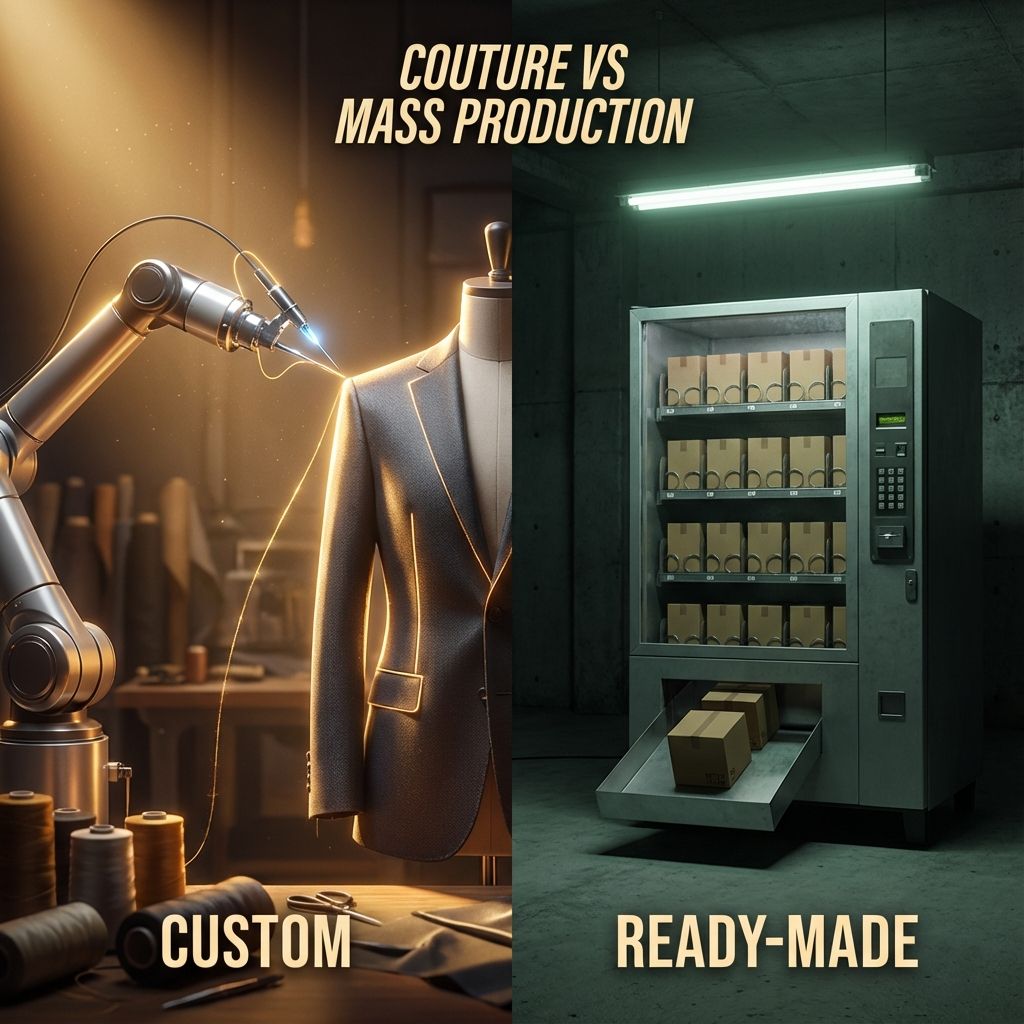
Yes, but it's usually not necessary or cost-effective for SMBs. Custom AI development costs ₹20-80 lakhs and takes 6-18 months. Off-the-shelf tools cost ₹5,000-50,000/month and work immediately. Build custom only if: (1) Your needs are truly unique, (2) AI is your competitive advantage, (3) You have the budget and timeline. For most businesses, combining existing tools creatively solves 90% of needs at 10% of the cost. Learn more about when to build vs buy in our development courses.
Conclusion
AI and automation aren't future technologies. They're present realities transforming businesses right now. Small and medium businesses have unprecedented access to tools that were once reserved for enterprises with massive budgets.
The question isn't whether to adopt these technologies, but how quickly you can start. Begin with one pain point, one tool, one improvement. Build from there. The businesses that embrace AI thoughtfully will outcompete those that don't.
Your competitors are already exploring these possibilities. The time to start is now.
Ready to Transform Your Business?
Understanding technology gives you the power to leverage it effectively. Whether you want to use AI tools or build custom solutions, technical literacy is your competitive advantage.