 Modern Age Coders
Python

Python Masterclass: Zero to Advanced
Not just syntax, how Python stores data, runs your code and where the time actually goes.
View course →Field Guide No.01: Depth
Most courses teach you which buttons to press. We teach you what actually happens when you press them, how code runs, where data lives, and the maths behind the machines that learn.
Specimen 01: Exploded view
A single line of code looks simple. Underneath, it falls through four layers before anything happens. Here is the whole descent, the part most courses never show you.
Plain text you can read. To the computer it is meaningless until something translates it. This is the only layer most tutorials ever discuss.
Python compiles your line into bytecode: tiny steps like "load the list", "call sum", "store the result". Now there is a precise sequence the machine can follow.
The list, each number, and the name "total" all occupy real memory. Names are labels pointing at boxes of bytes. Understanding this is why you stop being surprised by bugs.
The processor adds the bytes, billions of times a second. Every loop, every model, every game is ultimately this: numbers moving through silicon. That is the bottom of the box.
// Trace one line all the way down and code stops being magic.
Specimen 02: The skipped chapter
These are the questions that separate someone who copies code from someone who understands it. Almost every beginner course walks straight past them. We start here.
A name is not the value. It is a label pointing at a box. That single idea explains why two variables can change together, why copying sometimes does nothing, and a whole category of "impossible" bugs.
Doing the same work a million times is fine; doing it a million times inside another million is not. We teach you to feel the cost of a loop before you run it, not after it freezes.
Why does an empty list count as false but the string "false" count as true? Because the language has rules for emptiness and zero. Learn the rule once and you never guess at an "if" again.
Calling a function is not free. The machine saves its place, sets up new memory, jumps, runs, and returns. Knowing this is the difference between clean code and code that quietly crawls.
A model does not "understand". It nudges numbers up and down to make its errors smaller, over and over. We show you that loop in real maths and real code, so AI stops being a mystery word.
Floating point, integer overflow, order of operations, hidden rounding. Numbers in a computer are not the numbers from school. We teach where they diverge so your results stop surprising you.
Specimen 03: Method
A tutorial hands you the answer and asks you to type it. You finish with a working program and almost no idea why it works. The moment something breaks, or the problem changes shape, you are stuck, because you learned a recipe, not the rules behind it. First principles is the opposite. We start from the smallest true thing and build, so that what you learn transfers to problems you have never seen.
That sounds slower. In practice it is faster, because you stop relearning the same idea in ten disguises. A learner who truly understands how memory works does not need a separate lesson for lists, dictionaries, objects and files. They are all the same idea wearing different clothes. This is the difference we explore in depth on our real coding classes page, and it is the engine behind everything we teach here.
Before a loop, a single step. Before a list, a single box in memory. We name the one true idea, then build everything on top of it.
You should be able to rebuild a rule from scratch if you forget it. We teach the why so the what becomes obvious, instead of a list to cram.
Vectors as lists of numbers. A gradient as the direction that lowers error. Probability as counting outcomes. We tie every idea straight to code you run.
We open real libraries and read them together. Once you can read code others wrote, you are no longer trapped inside the few examples a course gave you.
The fastest way to understand a thing is to build a tiny version of it. A mini sorting routine, a tiny model, a small interpreter, built by you, understood by you.
From the line you type to the silicon that runs it, you see how the layers fit. Nothing stays a black box, because you have been inside every one.
Understanding is faster than memorising. It just feels slower on day one.
People often ask whether there is even a difference between "coding" and "programming", or whether it all blurs together. There is a real distinction, and it maps almost exactly onto depth, typing instructions versus designing how a system thinks. We pull that apart carefully on our coding vs programming page, but the short version is this: anyone can be taught to produce code, the same way anyone can be taught to copy a sentence in a language they do not speak. We are interested in the other thing, the understanding that lets you write the sentence yourself, and explain why it is correct.
Specimen 04: Course catalogue
Every track below is built depth-first: you learn how the thing works, then you build it. Each is live, small-batch and mentor-led. Open the full set on the course atlas.
Not just syntax, how Python stores data, runs your code and where the time actually goes.
View course →
Build models you understand. We teach the maths that makes a model learn, line by line.
View course →
Learn why a structure is fast, not just how to use it. Cost and trade-offs, from the ground up.
View course →
The language that makes memory visible. See exactly where your data lives and what it costs.
View course →
From raw numbers to real conclusions, and the statistics that tell you when to trust them.
View course →
Look past the demo. Understand how these models predict, why they fail, and how to steer them.
View course →Specimen 05: In the room
Depth needs a real teacher in the room. Here is how a Modern Age Coders class actually works, from age six to sixty-five.
Classes are live and instructor-led, never a pre-recorded video you watch alone. You can ask the question behind your question and get an answer in the moment, while it still matters.
Batches stay small on purpose, so a mentor can actually see how each learner thinks. Depth is impossible in a crowd of a hundred; it needs eyes on your screen and your reasoning.
You write the code, not the teacher. Watching someone else type teaches almost nothing. The understanding sticks only when your own hands are on the keyboard, making and fixing real things.
A mentor reviews your thinking, not just your output. "It works" is the start of the conversation, not the end. Why does it work, what would break it, and what is the cleaner way?
Specimen 06: Questions
It means we start from the smallest true thing and build up, instead of starting from a tutorial you copy. Before you use a list, you understand how it lives in memory. Before you write a loop, you understand why it costs what it costs. Before you call a model, you understand the maths that makes it learn. You end up able to reason about code you've never seen, because you understand the rules underneath it rather than a recipe on top of it.
Going deep is what makes you fast later. People who only memorise patterns stall the moment something breaks in a way the tutorial didn't cover. When you understand how code actually runs, debugging stops being guesswork, you choose the right data structure on instinct, and you read unfamiliar libraries without fear. We still ship real projects in every track. We just make sure you understand why they work, so the next project is faster, not slower.
For general programming, no. We teach the small amount of logic and counting you need as we go. For AI and machine learning, some maths is unavoidable, and that's exactly the part most courses skip. We teach it from scratch and tie every idea to code: vectors as lists of numbers, a gradient as the direction that reduces error, probability as counting outcomes. You don't need to arrive a mathematician; you need to be willing to understand the few ideas that make models work.
No. First-principles teaching helps beginners most of all, because they learn the real model of the machine before bad habits form. We teach ages 6 to 67 in small batches, and the depth is dialled to the learner. A ten-year-old learns how a variable holds a value; a college student learns how that value sits in memory and what a function call costs. Same philosophy, different altitude.
Yes. Every class is live, online and instructor-led, in small batches so a mentor can actually see how you think. You write the code yourself while a teacher watches your reasoning, asks why, and corrects the idea, not just the output. Recordings exist for revision, but the learning happens live, in the room, with someone who can answer the question behind your question.
Book a free demo class and we'll match you with a mentor and a topic at your level. It's a real lesson, not a sales pitch: you'll write a little code, take apart one idea from first principles, and see exactly how we teach. If it's a fit, you continue. If not, you walk away with one concept you genuinely understand. No payment details needed to try it.
Because AI raises the value of understanding, not lowers it. A model can produce code that looks right and is subtly wrong, and the only way to catch that is to understand how the code actually runs: memory, control flow, complexity, and the maths behind any model you use. First-principles learners review AI output the way a senior engineer does, knowing what to trust, what to question and how to fix it. Learners who never opened the black box can only hope the AI was right. Depth is what turns AI from a risk into a real advantage.
Book a free demo and we'll take one idea apart from first principles, live, with a mentor. It's a real lesson. Bring your curiosity and one thing you've always found confusing.
Real student projects
Every one is a real, live project shipped by a Modern Age Coders student. Explore more in Student Labs.
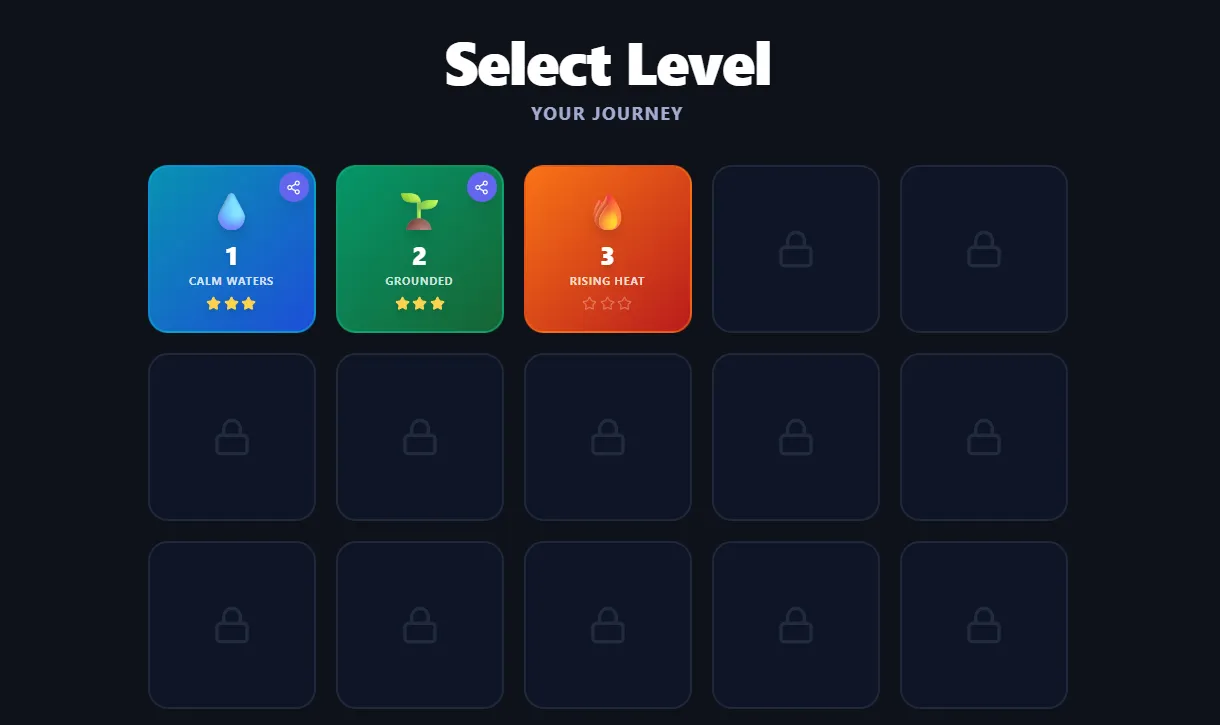 GameThe Beautiful MindA scientifically designed focus and brain-strength game with 15 progressive levels, testing attention, control and mental endurance with real-time progress tracking and leaderboards.by Modern Age CodersOpen the live project ↗
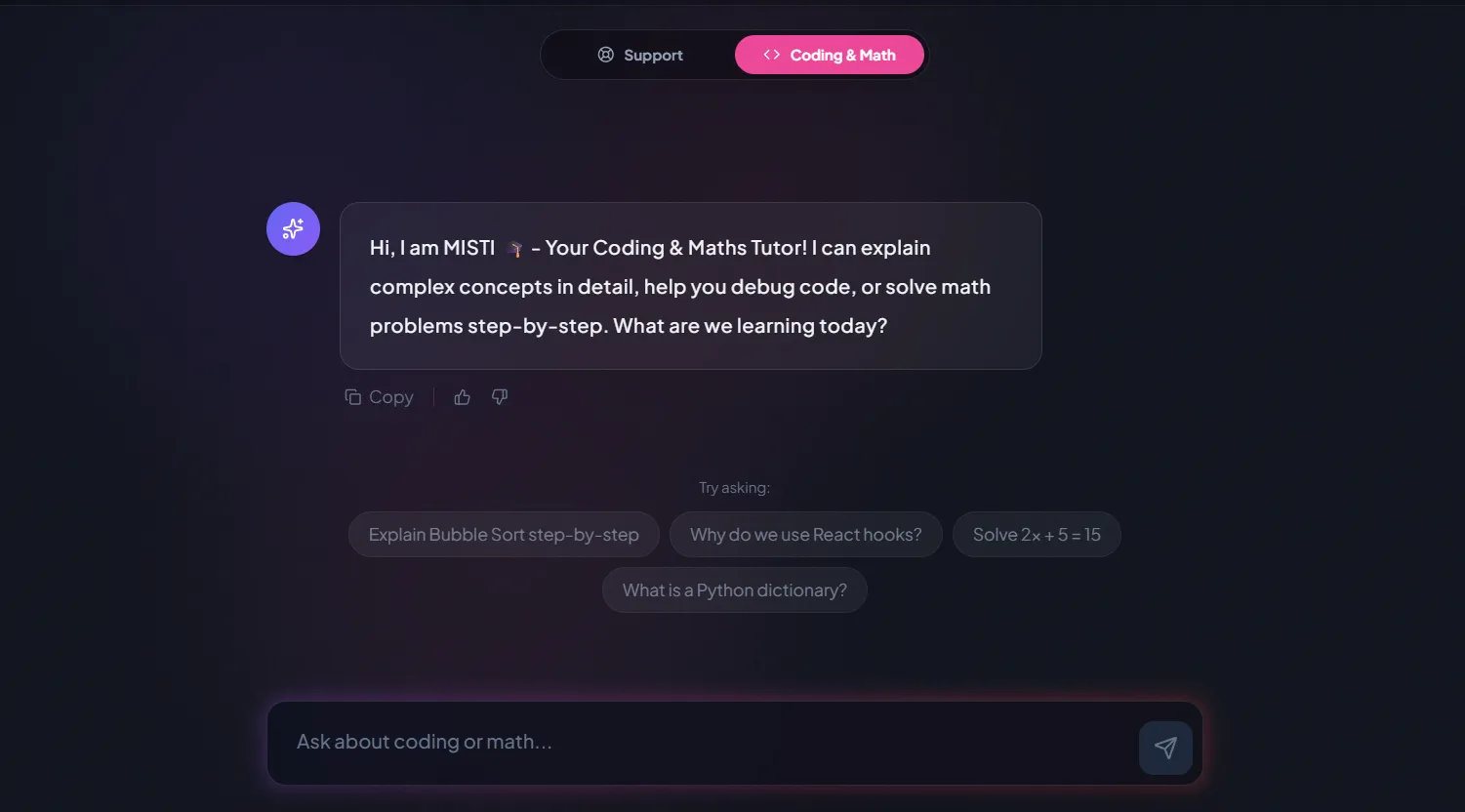 AI & MLMisti: AI Chatbot for Maths & CodingAn intelligent AI-powered chatbot that helps students solve maths and coding questions with deep, step-by-step explanations using advanced Python AI frameworks and LLM APIs.by HarshitOpen the live project ↗
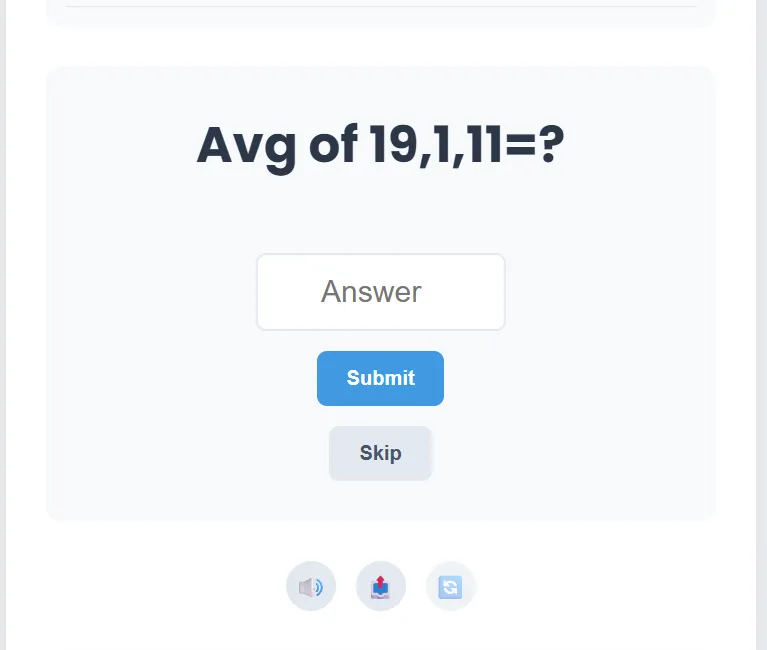 GameBabu: 90 Second Maths ChallengeAn exciting 90-second maths challenge with random problems under time pressure, and a dynamic leaderboard powered by Firebase/MongoDB with real-time score updates.by Modern Age CodersOpen the live project ↗
Parent & student voices
Real, verified reviews from Modern Age Coders families. Read hundreds more on our Wall of Love.
“The one step solution for my son. Modern Age Coders make learning coding so simple that kids love it. Teachers make it so simple with clear explanations, practical exercises, and interactive content. As per my son, the coding class is very helpful and engaging. Sir explains complex concepts clearly. The projects were challenging and rewarding.”
“I highly recommend this computer coding class! The teachers are incredibly knowledgeable and passionate about coding. They make every session engaging and insightful. They explain complex concepts in an easy way and encourage students to ask questions and think critically. The friendly class atmosphere has boosted my son's confidence and interest in coding.”
“My son has been attending this coding class for the past couple of months, and I've been genuinely impressed with both his progress and enthusiasm. The instructors are incredibly patient and knowledgeable. What stands out most is how excited my son is before every class. He looks forward to learning, problem-solving, and sharing what he's built. I've noticed a big boost in his confidence!”