 Modern Age Coders
College & adults
Complete C++ Masterclass
Zero to systems programmer, every CPA block, plus DSA-grade problem solving and projects.
From ₹1,499/moexplore →
A complete guide to the CPA exam (CPA-21-02), the full five-block syllabus with weights, the real format, cost and a study plan, with live, small-batch C++ coaching that takes you from syntax to object orientation, pointers and dynamic memory.
Live, small-batch C++, from first program to OOP, pointers and CPA-ready. From ₹1,499/month, free trial first.
CLA: C Certified Associate Programmer is for the C language, not C++. Many people search “CLA C++” by mistake. The correct C++ associate certification is CPA: C++ Certified Associate Programmer (this page). For C++ at the professional level you want CPP. The C-line is CLA / CLP; the C++ line is CPE / CPA / CPP. If C++ is your goal, you’re in the right place.
CPA: C++ Certified Associate Programmer is the associate-level certification from the C++ Institute, a program of OpenEDG. The current exam is CPA-21-02. It is vendor-issued proof that you can write and reason about core C++: the type and operator system, control flow and exceptions, functions and the preprocessor, pointers and dynamic memory, and the object-oriented model, classes, inheritance, polymorphism, encapsulation and namespaces.
It sits in the middle of the C++ path: CPE (entry) → CPA (associate, you are here) → CPP (professional). CPA proves language and OOP mastery; CPP later proves the Standard Template Library.
Forty questions across five blocks. Classes & Namespaces (29%) and Types & Operators (24.5%) together are over half the exam, object orientation and the type system are where to spend your time.
Operators: unary, binary, ternary ?:; precedence & associativity; arithmetic, relational, logical, bitwise, assignment.
Types & literals: standard data types and ranges; decimal, octal, hex, binary, floating-point literals; signed, unsigned, static, const.
Data structures: std::string (compare, size, substr, insert), arrays, vectors, struct, union, enum; conversion, casting and promotion.
Flow: if/else; while, do…while, for; break, continue, goto; switch/case/default; return.
Exceptions: try, catch, throw, catch-all catch(...); exception hierarchies and the throw() specifier.
Functions: definition, declaration, invocation; typed & void; overloading; default parameters; passing by value, reference and pointer; recursion; main().
Preprocessor: conditional compilation #if, #ifdef, #else, #endif; parameterized and plain macros.
Pointers: declaration & initialisation; dereferencing and the address-of operator &; pointer arithmetic and comparisons.
Dynamic memory: new, delete, delete[], and avoiding leaks. Small weight, but a classic place to lose points.
OOP: inheritance, encapsulation, polymorphism, abstraction; classes, access specifiers, ::, the this pointer.
Lifecycle & more: constructors/destructors (default, copy, explicit); operator overloading; single & multiple inheritance; static_cast / dynamic_cast; virtual & polymorphic functions; const correctness; friend; named & anonymous namespaces and aliases.
Two language lines, three tiers each. The C-line (CLA, CLP) is the C language; the C++ line (CPE, CPA, CPP) is C++. This is exactly why “CLA C++” is a search mix-up.
Plan on roughly 6–10 weeks at ~6–8 hours/week with some prior programming exposure (longer from absolute zero). Give the heaviest blocks the most time, and code constantly: CPA rewards reading code and predicting behaviour under the clock.
Types, operators, precedence & associativity, control flow, functions, arrays, vectors and strings: Blocks 1–3 groundwork.
Pointers, pointer arithmetic, new/delete, leaks. Small weight (11%), but practise heavily. It's a common failure point.
Classes, constructors/destructors, inheritance, virtual functions & polymorphism, operator overloading, const correctness, namespaces. The heaviest block, give it the most time.
try/catch/throw, exception hierarchies, macros and conditional compilation, the tails of Blocks 2 & 3.
Full 40-question mocks in ~65 minutes until you score consistently above 70%. Then book.
4–8 students per class. A mentor catches the segfault, the leak and the off-by-one in real time.
We teach the syllabus in its weighted order and drill the exact trap patterns CPA loves.
Pointers, references and the object lifecycle become intuitive only by writing and running real C++. So that's what we do.
The same C++ powers DSA, competitive programming and systems work. We point you there next.
CS undergraduates and serious self-learners who have moved past beginner C++ and want third-party proof of solid language and OOP skills.
Anyone heading toward embedded, systems or game development, where C++ is the dominant language, or aiming for the professional CPP next.
CPA is a strong, vendor-issued signal of C++ fundamentals and OOP, an associate-level credential, not a senior or specialist one. We won't quote salaries the source doesn't publish. Pair it with projects.
CLA: C Certified Associate Programmer is for the C language, not C++. Many people search “CLA C++” by mistake. The correct C++ associate cert is CPA. For C++ professional, it's CPP. The C-line is CLA/CLP; the C++ line is CPE/CPA/CPP.₹1,499/month.new/delete to avoid leaks, the object lifecycle and copy constructors, virtual functions and virtual destructors, static_cast vs dynamic_cast, const correctness, and catch ordering.Book a free trial class, meet a mentor, and see exactly how we take you from your first C++ program to CPA-ready, live, in a small group.
Real student projects
Every one is a real, live project shipped by a Modern Age Coders student. Explore more in Student Labs.
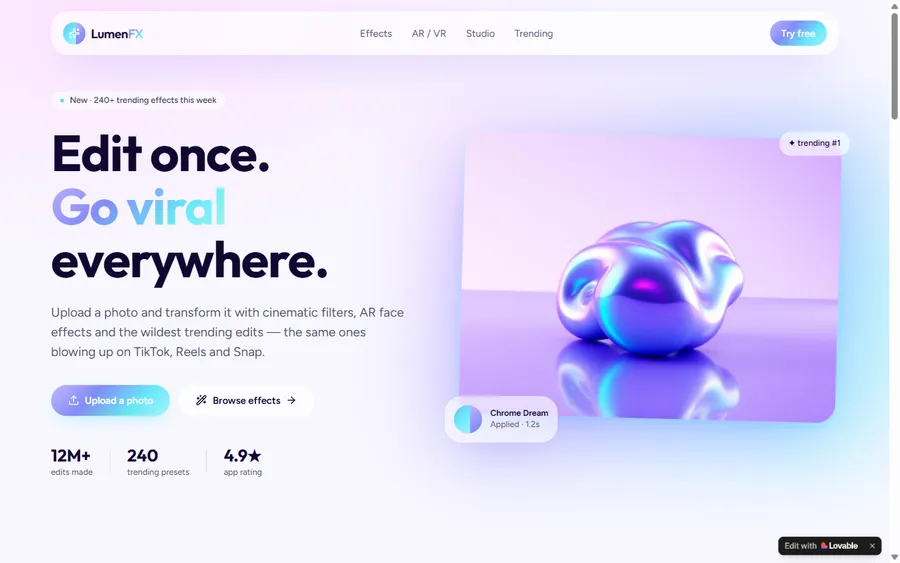 Web AppLumenFX: AR/VR Photo Effects StudioUpload a photo and transform it with cinematic filters, AR face effects and the wildest trending edits, the same looks blowing up on TikTok, Reels and Snap, with 240+ one-tap presets. Raayan vibe-coded the whole studio from an idea: prompted the concept, then built the effects engine and gallery UI by hand.by RaayanOpen the live project ↗
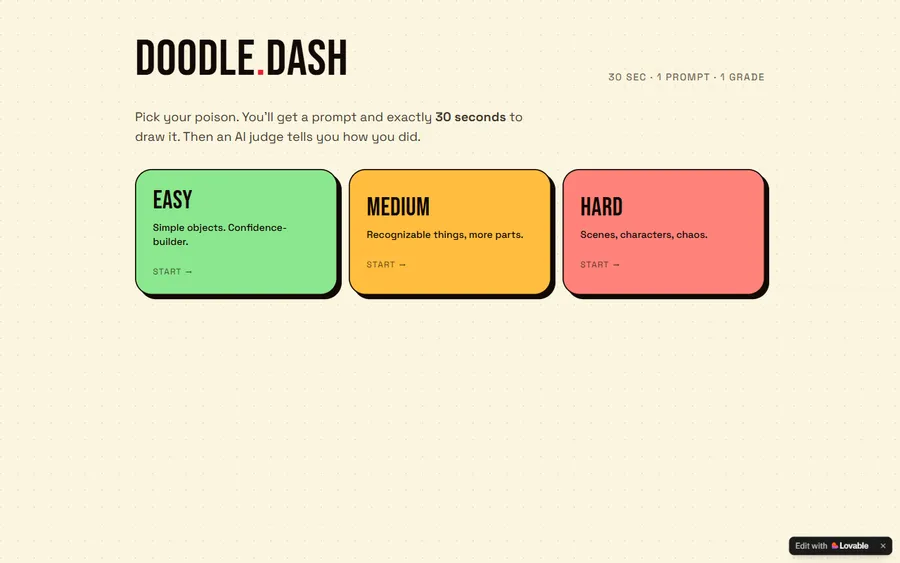 GameDoodle Dash: 30-Second Drawing ChallengePick a difficulty, get a prompt, and you have exactly 30 seconds to draw it, then an AI judge scores how close you got. Three modes from easy objects to chaotic scenes. Shubh vibe-coded it idea-first, wiring real AI image grading into a fast, addictive drawing game.by ShubhOpen the live project ↗
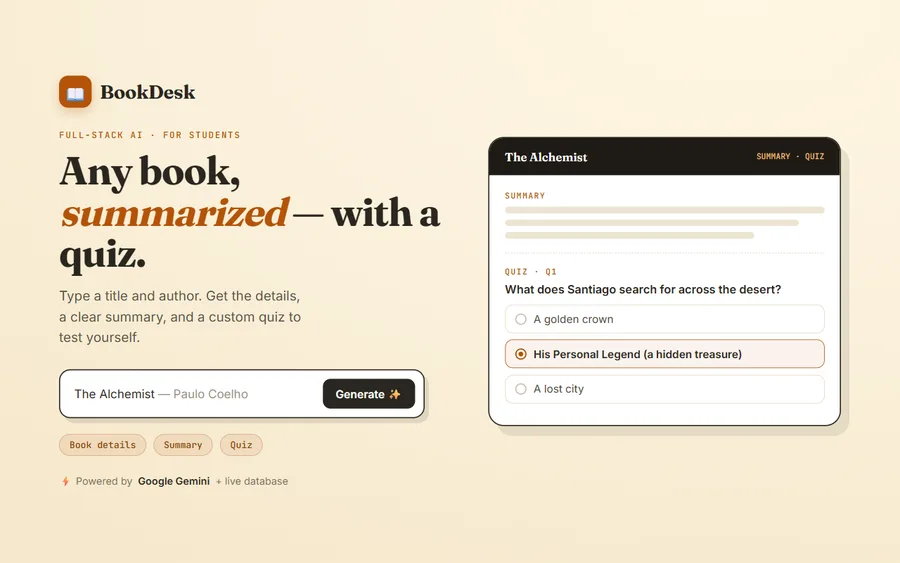 AI & MLBookDesk: AI Book Summaries & QuizzesType in any book name and author, and BookDesk pulls together the book's details, a clear summary and a custom quiz to test what you've learned, a genuinely useful study companion. Anika built it as a full-stack AI application, powered by Google Gemini with a live database behind it.by AnikaOpen the live project ↗
Parent & student voices
Real, verified reviews from Modern Age Coders families. Read hundreds more on our Wall of Love.
“My child Dhairya is really enjoying the Modern Age Coder IT classes. This is his first online class, and he eagerly looks forward to it. I can see his improvement, and I believe he will grow even more interested in the subject. The teachers are very cooperative and listen to our suggestions. Overall, I am very happy with the class.”
“The one step solution for my son. Modern Age Coders make learning coding so simple that kids love it. Teachers make it so simple with clear explanations, practical exercises, and interactive content. As per my son, the coding class is very helpful and engaging. Sir explains complex concepts clearly. The projects were challenging and rewarding.”
“I highly recommend this computer coding class! The teachers are incredibly knowledgeable and passionate about coding. They make every session engaging and insightful. They explain complex concepts in an easy way and encourage students to ask questions and think critically. The friendly class atmosphere has boosted my son's confidence and interest in coding.”