Doha's guide to our live online classes
A Doha evening has room for exactly one good hour, and that is all a class here asks. One hour, live on video, with a teacher who can hear the student think and a group capped at eight. We teach children from age six, teenagers, university students and working adults, all in English.
Where in the city you live makes no difference, because nobody drives anywhere. The first lesson is a demo, it costs nothing, and a parent is welcome to sit beside the child and watch every minute of it.
4.9 rating across 547+ Google reviews
Enrol by age
Each card below is a live course with a fixed weekly hour and the same teacher throughout. Any card opens into the detailed syllabus and the monthly fee. If you cannot tell where a student belongs, book the demo and let the teacher place them.
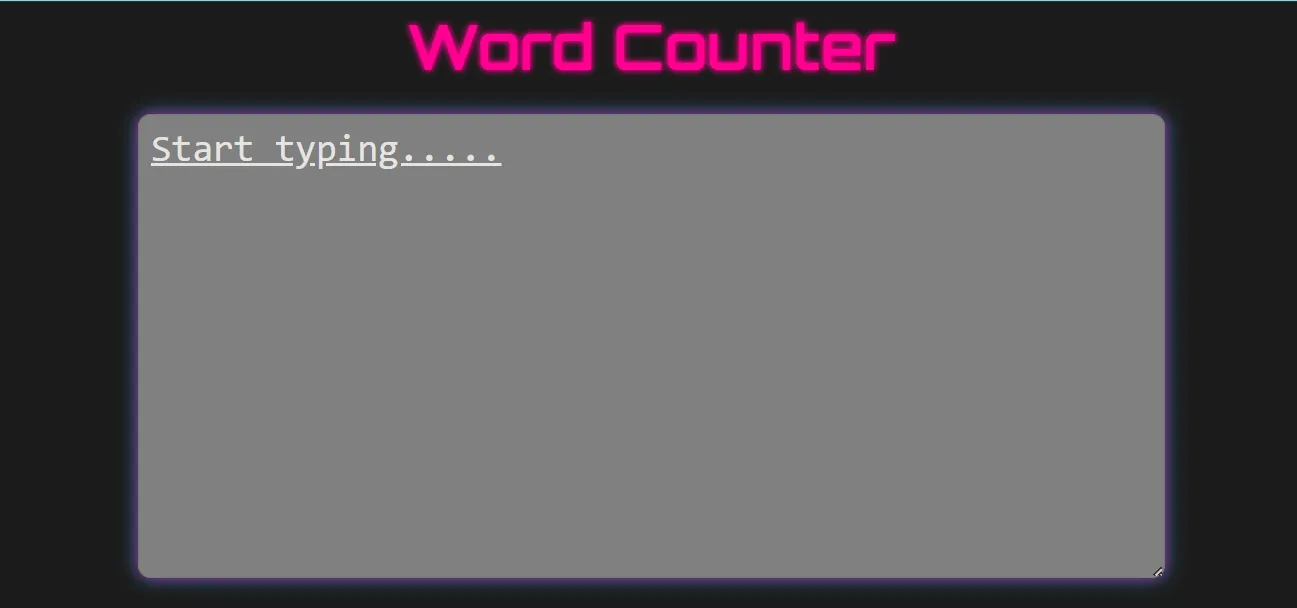
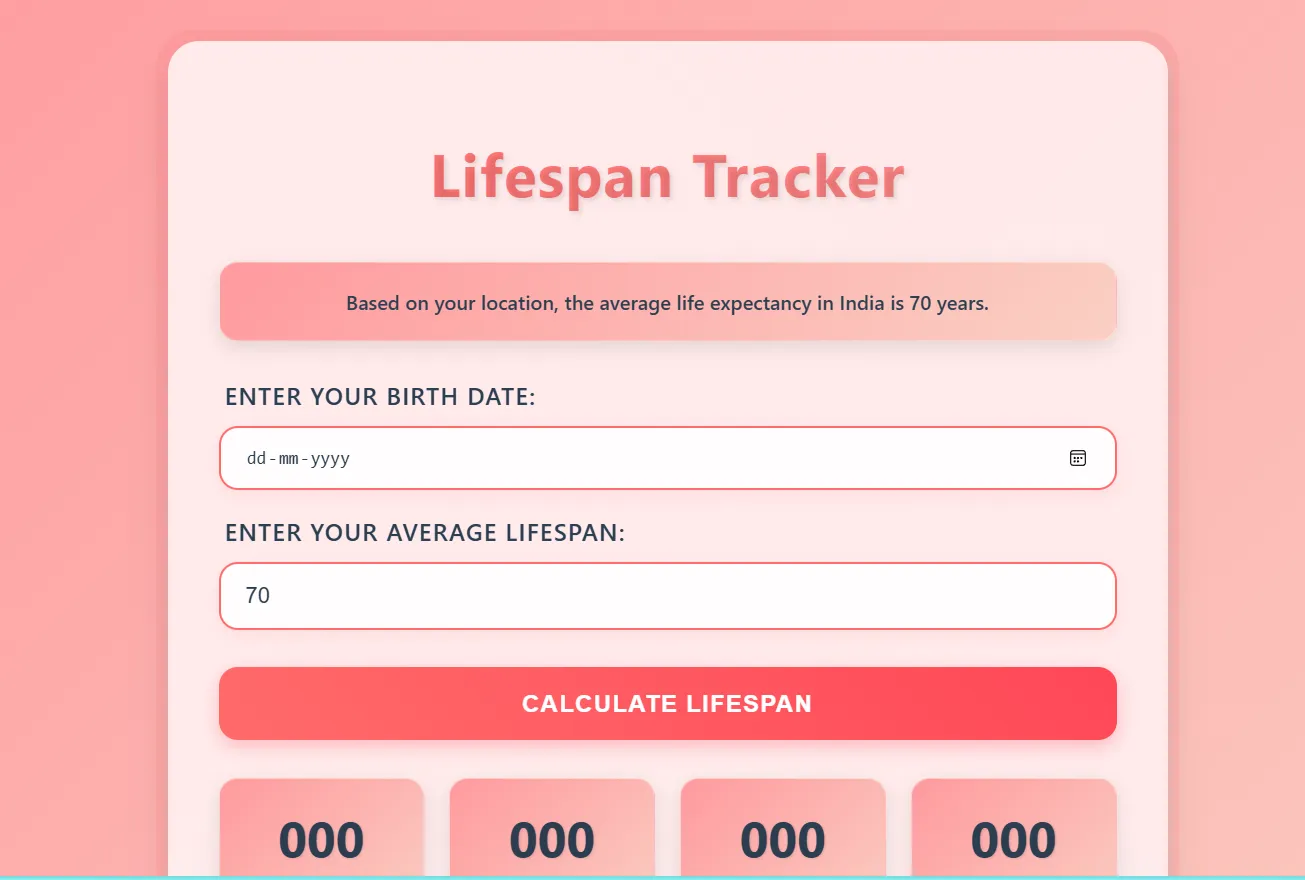
Children write actual Python within the opening weeks, drawing shapes, keeping score in little games, and asking sensible first questions about AI. Patient pace, nothing skipped.
View syllabus
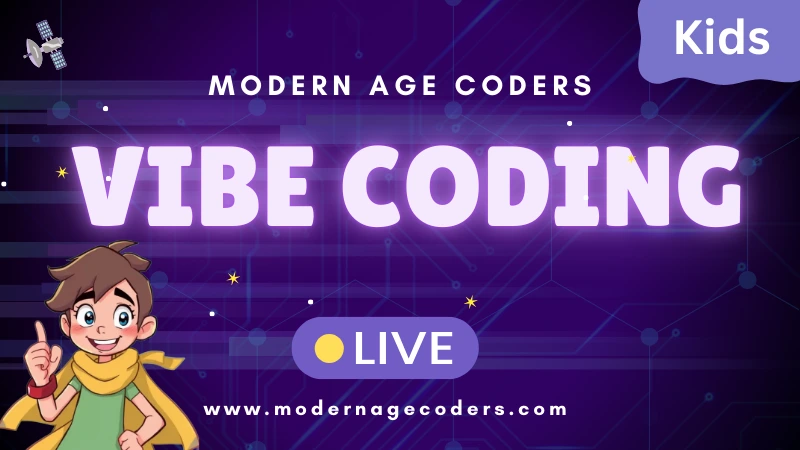
AI can now write programs from a child's instructions. This course teaches children to give those instructions precisely, then test what comes back and catch its mistakes.
View syllabus
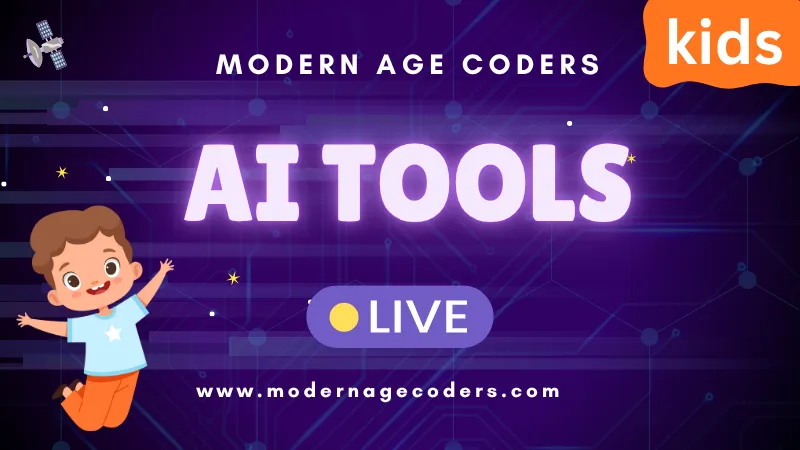
Chatbots and image tools, met for the first time with a teacher in the room. What these tools do well, where they fail, and how to use them without cheating yourself.
View syllabus
A full programming course rather than a taster. Variables and functions, then lists, dictionaries, files and APIs, closing with software the teenager designed without a template.
View syllabus
Students gather data of their own, train classifiers on it, and measure exactly how wrong the model is. That measurement is where the honest learning lives.
View syllabus
Coding agents, handled like the engineering tools they are. Teenagers learn to brief an agent, read every line it returns, and answer for the code they decide to keep.
View syllabus
For adults beginning from nothing, or nearly nothing. Core Python, object-oriented design and the standard libraries, ending in programs worth showing another person.
View syllabus
From regression up to neural networks, with the maths kept in plain view. Real datasets, and a straight conversation about what models cannot do.
View syllabus
What an LLM looks like to the person building with it: prompting that holds up, API work, retrieval, and compact applications you can demonstrate.
View syllabus
The format
Six working parts, none of them complicated. This is the whole machine.
Each lesson is a live video call, not a recording with a face on it. Students talk, share screens and get corrected while the mistake is still warm, which is the difference between a class and a playlist.
Group lessons hold five to eight. The number is chosen so the teacher can watch every screen and notice a confused silence before it turns into a lost month.
Weekday slots fall between about four and nine in the evening, Arabia Standard Time, after the school run home and the office day. Friday and Saturday carry the weekend slots.
The medium is English, which matches how most Doha schools already teach. Teachers here spend all day with students who switch to Arabic, Hindi or Malayalam at home, so they pace themselves and check that ideas have landed.
Every course closes with something that runs: a game, a script, a website, a trained model. Homework builds toward that finish line instead of existing to fill a folder.
You watch a complete lesson free of charge before paying anything at all. If the hour leaves you unconvinced, that is where it ends, and nobody rings you weekly about it.
The city
Most of our Qatar students live in and around Doha, and the city shapes how they learn with us. Some log in from apartment towers in West Bay, some from The Pearl, others from villas out toward Al Rayyan, and the class treats them identically because it never asks anyone to cross town. In a city where the school run can already swallow half an hour of expressway, the shortest commute on offer is the walk from the dinner table to the desk.
Doha also happens to be a city that takes study seriously. Its western districts hold Education City, where campuses of several foreign universities have taught side by side for two decades, computer science among the subjects. A child here grows up in sight of the idea that rigorous technical education is an ordinary local fact, not something that happens abroad. We think a weekly coding class is the right size of response to that atmosphere: not a boot camp, not an app, just steady practice with a teacher who checks the work.
What school introduces once or twice a term, a weekly class turns into a habit. Programming is learned the way an instrument is learned, through repetition with correction, and forty school minutes shared among thirty children cannot supply that. Five to eight children with one teacher, every week, can.
The city's school map reads like a survey of the world's exam boards. British schools working toward IGCSE and A Levels, American schools with AP tracks, Indian community schools teaching CBSE, and IB schools running the diploma. We deliberately teach none of those syllabi, which is precisely why the class works beside all of them. The student learns to program; the exam board, whichever it is, benefits.
A few connections are still worth naming. Senior CBSE computer science is examined in Python, which happens to be the language our teen course lives in, so Indian-curriculum students often find their school subject suddenly easier. The IGCSE, A Level and AP boards all set papers that come easier to a student who has spent months writing programs than to one who memorised pseudocode. And IB students find that the diploma's constant demand for independent projects gets much lighter when building things is already a habit.
Doha's working population is full of people whose job descriptions quietly acquired the word data somewhere along the way. Our college and professional tracks exist for them: evening hours after the office, an honest workload, and projects concrete enough to show a manager. Python for automating the tedious parts of a role, machine learning for those who want the underlying discipline, and generative AI for people who would rather build with the new tools than only read about them.
What we do not offer is a shortcut, and we would rather say so here than let you discover it in month two. An hour of class plus a few hours of practice each week, kept up for months, is what produces an adult who can genuinely code. That is the deal on the table.
The process
Families ask what actually happens after they fill the form, so here is the sequence, step by step.
The form at the foot of this page and our WhatsApp line reach the same mentor team. Either way, a phone number and a name are all we need to begin.
Usually within a few hours, during Qatar daytime. The call covers the student's age, any past brush with code, and what the family wants from the class. Then a demo slot is fixed for a Doha-friendly evening.
The demo is a complete lesson of the usual kind, an hour long, with real teaching and real typing. Parents can stay in the room throughout, and the student leaves with a small program of their own making.
After the demo, the choice sits with you. No card was taken, so there is nothing to cancel and nobody chases you. If you join, we confirm the weekly slot and the course begins.
Same teacher, same time, week after week. Parents receive plain-language progress notes, and the syllabus advances at the pace the student earns rather than the pace a brochure promised.
Keep reading
The country hub: the full catalogue, the format explained end to end, and answers for families anywhere in Qatar, not only the capital.
Read the guide
A parent's guide to the youngest age band, six to twelve. What a first lesson looks like and how children actually progress.
Read the guide
One language, every age band. The complete Python line-up with the syllabus arc laid out stage by stage.
Read the guide
The AI and machine learning tracks, what students build in them, and which tools carry the teaching.
Read the guide
The case for us
The person running the lesson teaches for a living and has taught the course many times before. Students keep the same teacher across the course, because familiarity is where trust and progress come from.
A cap of eight is not a marketing flourish. It is the load at which one teacher can genuinely see everyone, and it is the reason quiet children do not vanish here.
By the end of a course the student owns working software they built. It can be shown to grandparents, submitted with a school application, or simply played.
Completion earns a certificate, useful in portfolios and applications. We issue it for finishing the work, never for merely enrolling.
Parents hear from us regularly, in ordinary sentences, about the ground covered and how the student is coming along. You should never be the last to know.
The free demo exists so that no Doha family has to pay before seeing the teaching with their own eyes. Watch first. Decide after.
Verified reviews
We teach live and online, so students from Qatar join the same small batches as our community worldwide. These are real, verified reviews. Hundreds more are collected on our Wall of Love.
"I am truly grateful for my experience at Modern Age Coders. My teachers were not only teachers but also mentors and friendly figures. The perks are excellent: one-on-one doubt solving, mentoring and regular tests. The most impressive part was working on real-world projects."
Krishnam Bhatter
Former student
"My son has been attending this class for a few months and I have been genuinely impressed with his progress and enthusiasm. The instructors are patient and knowledgeable. He looks forward to every class and his confidence has grown."
Poonam Rathore
Parent
"My son struggled with maths for years. Integrating it into coding projects has transformed his understanding and confidence. Highly recommended."
Shewta Singh
Mother of Ishan
"My child Dhairya is really enjoying the Modern Age Coders classes. This is his first online class and he eagerly looks forward to it. I can already see his improvement, and the teachers are very cooperative and listen to our suggestions. Overall, I am very happy with the class."
Sonam Oswal
Parent of Dhairya
Fees
Billing is monthly, in US dollars. The riyal's dollar peg keeps the QAR figures from drifting, so what you see below is what next month costs too.
Group classes
$40 per month
about QAR 145 per month
One-on-one classes
$100 per month
about QAR 365 per month
No joining fee, no equipment to buy beyond a computer, no term-long contract. Stop any month the class stops earning its keep.
Questions
Free demo class
Not a sales presentation, not a highlights reel. A teacher, a small group, an ordinary lesson, and a student who leaves having written code that runs. Book the hour and judge the whole school by it.
Prefer to talk first? Send us a WhatsApp message and a mentor picks it up during Qatar business hours.
4.9 rating across 547+ Google reviews