More practice tests don't raise a score. Fixing the right problem does.
Most students preparing for the SAT do the same thing: take practice test after practice test and hope the number drifts up. It rarely does, because a raw practice test tells you what you got wrong, not why, and the why is everything.
A missed question is one of three completely different problems: you didn't know the math, you knew it but slipped, or you ran out of time. Each one needs a different fix, and "do more questions" addresses none of them directly.
The Digital SAT rewards a fairly small set of algebra and data ideas, used quickly and cleanly. A student with shaky linear equations will keep losing the same points no matter how many tests they take.
We diagnose first. We find whether your points are leaking from gaps, slips or pacing, fix the algebra underneath, then train speed and trap-spotting on the exact question types the test repeats.
Diagnose, rebuild, then train for speed.
A score plan, not a question dump.
Diagnose where points actually leak
We review a real practice test question by question and sort every miss into gap, slip or timing. That map is the whole plan.
Rebuild the underlying algebra
Most SAT math points come down to linear equations, ratios and functions. We make those automatic so they cost no thinking time on test day.
Train the test's own moves
Desmos shortcuts, plugging in, working backward, and recognising the handful of patterns the SAT reuses, taught as deliberate tools.
Build pacing under timed conditions
Once accuracy is solid, we drill timing so the clock stops being the thing that costs the last 60 points.
A "hard" SAT systems question: solved by reading, not grinding.
The question: "A line passes through (0, 3) and is parallel to the line 6x + 2y = 10. What is the equation of the line?" Under time pressure, students start solving systems and burning a minute.
How we do it. The SAT is testing whether you understand what "parallel" means, not whether you can grind algebra. Parallel lines share a slope. So the whole question is: find the slope of the given line, keep it, and use the point you were handed.
parallel ⇒ same slope −3, and it passes through (0, 3) ⇒ y-intercept is 3
answer: y = −3x + 3
No system, no calculator gymnastics, about fifteen seconds once you know that "parallel" means "copy the slope." This is the difference our prep makes: students stop fighting the algebra and start reading what the question is really asking, which is faster and more accurate at the same time.
Test-taking is debugging under a clock.
Recognise the pattern
A strong coder spots "I've seen this shape before" instantly. We train the same instinct for the SAT's repeated question types, so recognition replaces panic.
Choose the efficient path
There's usually a slow way and a fast way. Picking the fast one, like choosing the right algorithm, is a trainable skill, not luck.
Verify before moving on
A quick sanity check catches the careless error that costs an easy point. We make it automatic, the way good programmers test as they go.
We're Modern Age Coders. The pattern-recognition and efficient reasoning we teach for programming are exactly what a timed math test rewards, which is why our prep tends to make students faster and calmer.
Every content area the Digital SAT tests.
Mapped to the College Board's own categories, with the fundamentals rebuilt under each.
Heart of Algebra
Linear equations and inequalities, systems, slope and intercepts, and reading word problems into algebra, the largest single chunk of the test.
Problem Solving & Data Analysis
Ratios, rates, percentages, units, scatterplots, two-way tables, mean/median/mode and basic statistics from real-world data.
Passport to Advanced Math
Quadratics, polynomials, exponential and rational expressions, and functions in every form the test throws at them.
Additional Topics
Geometry, right-triangle trigonometry, circles and the occasional complex-number question that surprises unprepared students.
Desmos & Bluebook technique
Using the built-in Desmos calculator to solve, graph and check fast, plus moving smoothly through the adaptive Bluebook format.
Pacing & trap-spotting
The timing strategy and the recurring traps, answer choices designed for common slips, that decide the top of the score range.
The right fit: and an honest word on what to expect.
This fits the junior starting structured prep, the student stuck on a plateau who can't see why, and the high scorer chasing the last stretch toward 800. We meet you at your current score and aim at the next realistic band.
What's realistic. Real gains come from fixing the right problem and practising between sessions, over weeks, not from a weekend bootcamp. Your starting score, timeline and effort decide the result. We'll set an honest target with you and never quote a guaranteed number, because no honest tutor can.
What we won't do
- Promise a specific score jump on a timeline.
- Drown you in questions without a diagnosis.
- Teach tricks with no math understanding behind them.
- Pretend a last-minute cram replaces real preparation.
A focused, trackable prep.
1:1, live
One student, one mentor, real-time video with a shared whiteboard and live question review.
8 sessions a month
Two each week, around an hour, built around official practice material.
Your time zone
All six US zones, after school, evenings or weekends.
Score tracking
Your mentor tracks practice scores and recurring errors so the plan keeps tightening.
One simple price. No contract.
1:1 Private Mentorship
$150 / month
- 8 live one-to-one sessions a month (2 per week, 1 hour each)
- 4 live one-to-one sessions a month (1 per week, 1 hour each)
- The same mentor tracking your score throughout
- A diagnostic-led plan, not a question dump
- Official practice material · cancel any time
Small-Group Cohort
$100 / month
- 8 live small-group sessions a month (2 per week, 1 hour each)
- A few students at a similar score level
- Same teaching approach, lower price
- Good for shared prep · cancel any time
Want the full algebra and functions foundation behind SAT math? Explore the High School Mathematics Masterclass →
Mentors who know the test and the math beneath it.
Good SAT coaching needs two things: deep command of the actual math, and a clear read on how this particular test thinks. Our mentors have both. They can fix the algebra gap and explain why a specific answer choice was the trap designed for you.
The same mentor stays with you, watching your scores and your recurring mistakes, so by test day the plan is built around exactly the points you can still gain.
"My child Dhairya is really enjoying the classes. This is his first online class, and he eagerly looks forward to it. I can see his improvement."
Sonam Oswal, mother of Dhairya · verified Google review
How we differ from the alternatives.
| What matters | Modern Age Coders | Free practice apps | Big prep course |
|---|---|---|---|
| Diagnoses why you miss points | Yes, every question | Score only | Rarely 1:1 |
| Fixes the math underneath | Yes | No | Group-paced |
| Same mentor tracks you | Yes | N/A | Usually not |
| Trains pacing & Desmos | Yes | Limited | Sometimes |
| Monthly price | $150 (1:1) / $100 (group) | Free | $700–2,500+ |
Free apps are great for drilling once you know your gaps. We provide the live diagnosis and the math fix that turn drilling into a higher score.
Everything you might be wondering.
Is this prep for the new Digital SAT?
Yes, the current Digital SAT in Bluebook: its adaptive module structure, the on-screen Desmos calculator available throughout math, and the question styles it favors.
Which SAT math topics do you cover?
All of them: Heart of Algebra, Problem Solving and Data Analysis, Passport to Advanced Math, and the geometry, trigonometry and complex-number Additional Topics.
How much can you raise my SAT math score?
It depends on your starting point, time and practice. Students who fix their algebra gaps and then drill timing usually see a meaningful jump over a couple of months. We won't promise a specific number.
When should my child start SAT prep?
Often two to four months before a test date, spring of junior year or the summer before senior year. Weak foundations mean starting earlier and going slower beats a last-minute cram.
How much does it cost?
The fees for private 1-on-1 and small-group classes are shown in your own currency in the pricing section of this page. Billing is monthly, there is no contract and you can cancel any time.
Can we try a class before enrolling?
Yes. Book a Priority Demo: a full live class of about 45 to 60 minutes, today or tomorrow, with a mentor reserved for your child. After the class the mentor sends a written skill report and a personal learning roadmap on WhatsApp. If you enrol, the demo fee is adjusted against your first month's fee.
Will my child have the same tutor throughout?
Yes, one mentor tracks the score, recurring mistakes and pacing across the whole prep.
Do you use real practice tests?
Yes, official College Board material, with every miss reviewed as a gap, a slip or a timing problem.
Are sessions live?
Yes, live, one-to-one, with a shared whiteboard. Reviewing wrong answers in real time is where the score moves.
Can you help with both pacing and accuracy?
Yes. They're different problems, and we train each specifically rather than just doing more questions.
What time zones do you cover?
All six US time zones; two weekly slots in your own zone.
Do you also prep the ACT?
Yes. See our dedicated ACT Math page, and we can help you choose between the tests.
Book a free SAT math trial session.
Bring a recent practice score or take a quick diagnostic. We'll show you exactly where your points are leaking and how we'd close the gap. No card needed.
More math tutoring from Modern Age Coders.
Real student projects
What our students actually build
Every one is a real, live project shipped by a Modern Age Coders student. Explore more in Student Labs.
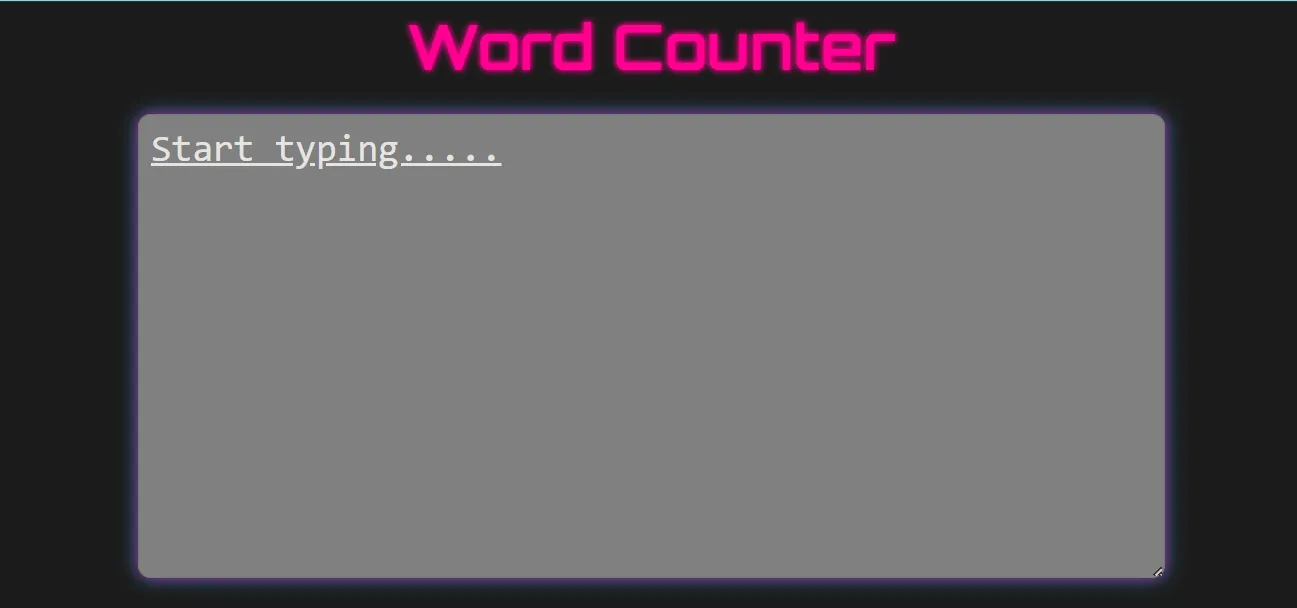 ToolWord Counter WebsiteA simple yet powerful tool that counts words, sentences and paragraphs from user input with instant, real-time results and a clean responsive interface.by VanshOpen the live project ↗
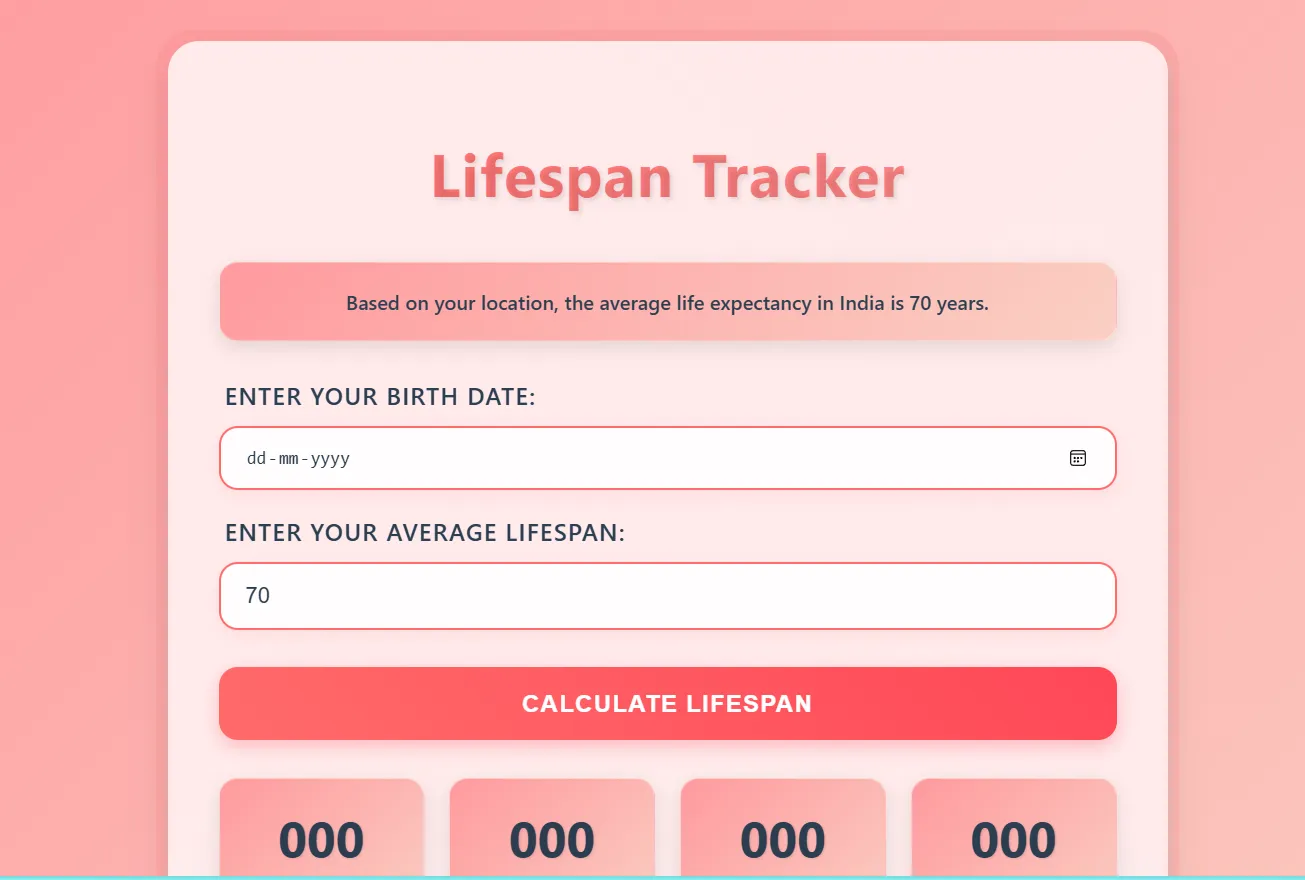 ToolLife Span TrackerAn interactive web tool that calculates expected lifespan, shows days, months and years lived, and visualises remaining time to motivate better habits.by ManayOpen the live project ↗
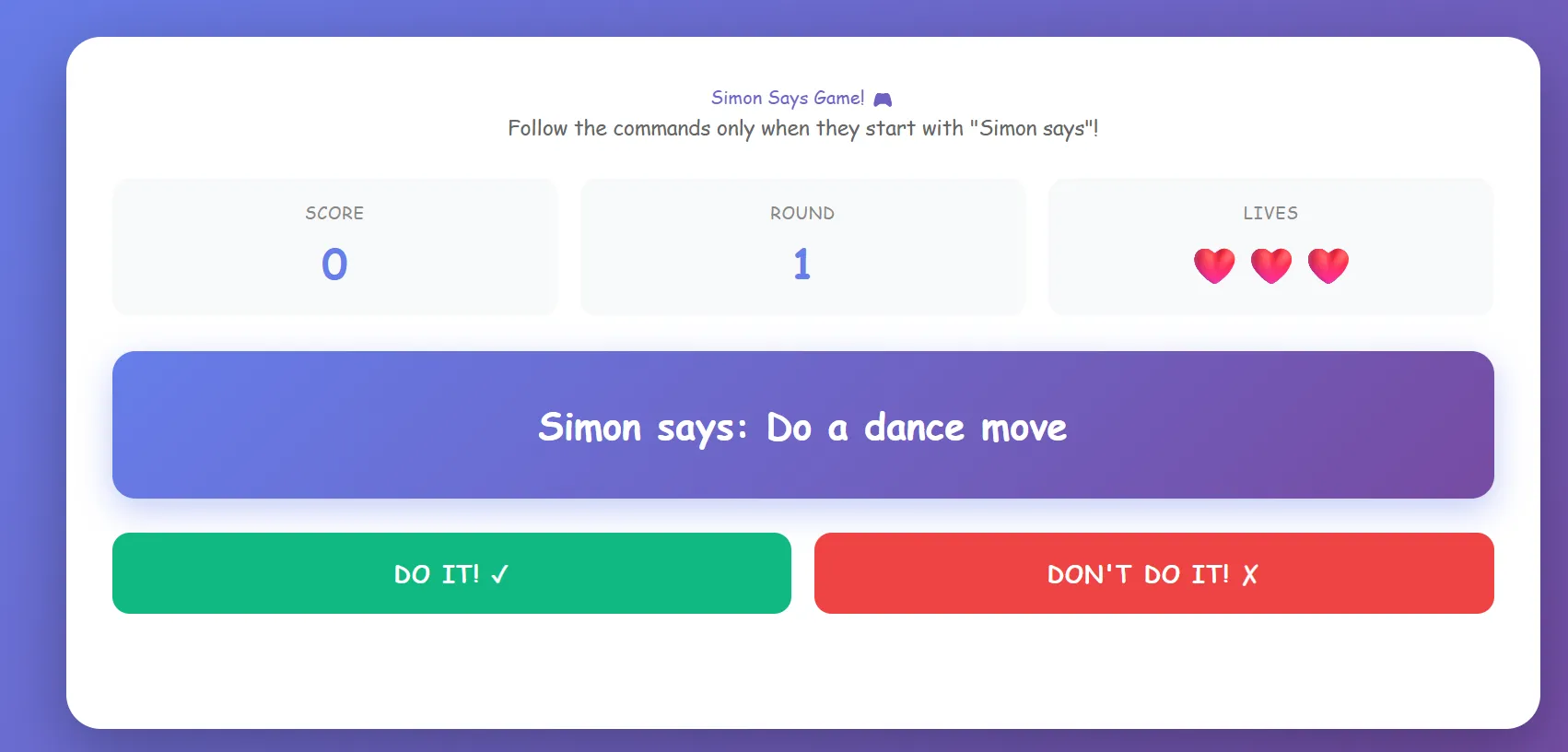 GameSimon GameA fun memory-based game where players repeat colour and sound sequences. Each level adds a new challenge, brain-boosting for kids learning logic and focus.by YashaswiOpen the live project ↗
Parent & student voices
What our families say
Real, verified reviews from Modern Age Coders families. Read hundreds more on our Wall of Love.
“I am really glad to be a part of Modern Age Coders as it helped me a lot to know what coding means and helped me find myself. I thank Shreya Ma'am, Mihir Sir and Shivam Sir for always being there for me and for showing me the real path for success.”
Student
“Mivaan enjoys the class. He understands the concepts and completes his tasks with excitement. He started taking interest in coding… truly amazing class.”
Parent of Mivaan
“I am really glad to be a part of Modern Age Coders as it helped me a lot to know what coding means and helped me find myself. I thank Shreya Ma'am, Mihir Sir and Shivam Sir for always being there for me and for showing me the real path for success.”
Grade 12 Student