On the ACT, most students don't run out of math. They run out of clock.
The ACT math section is 60 questions in 60 minutes. The content isn't usually the hard part, plenty of students could answer every question correctly with unlimited time. The problem is that there isn't unlimited time, so they grind a tricky early question, fall behind, and rush the easy points at the end.
Doing more untimed practice doesn't fix this. It can even hide the problem, because the score looks fine until the clock is back.
The other half of the issue is the missing formula sheet. The SAT lets some facts slide; the ACT expects you to know your geometry and trig cold, instantly, with no reference.
So we train two things together: the content you must have automatic, and the pacing judgement, which questions to do fast, which to flag, when to move on, that protects your easy points.
Make the content automatic, then beat the clock.
Timing only works once the math underneath costs no thinking time.
Audit the content gaps
We review a real ACT section and find which topics genuinely cost points versus which were just rushed, two different fixes.
Lock in must-know facts
The geometry and trig formulas the ACT assumes you've memorized become automatic, so they don't eat your minute.
Train pacing decisions
Which question to attack, which to flag and skip, and how to spot the quick route, practised until it's instinct.
Drill under the real clock
We rehearse at full ACT speed so test day feels familiar, not frantic.
An ACT geometry question: read the figure, skip the algebra.
The question: "In right triangle ABC, the right angle is at C, AC = 6 and BC = 8. A point sits on the hypotenuse... what is the length of AB?" Under pressure, students reach for coordinate setups and lose 90 seconds.
How we do it. The ACT rewards recognising the figure, not grinding. Right angle at C, legs 6 and 8. That's a 6-8-10 right triangle, the famous 3-4-5 doubled. You don't even compute:
hypotenuse AB = 10
(or, if you must: √(6² + 8²) = √100 = 10, but recognition is faster)
On a test where every question is worth the same and you have a minute each, spotting the 6-8-10 instantly instead of setting up the Pythagorean theorem is the difference between finishing and not. We train students to see these patterns, Pythagorean triples, special angles, similar-triangle shortcuts, so the figure does the work.
Speed under constraints is an engineering skill.
Cache what's reusable
A programmer stores results to avoid recomputing. Memorising key facts cold is the same move. It frees your scarce time for thinking.
Triage the workload
Deciding what to do now, defer, or skip is how engineers ship under deadlines. It's also exactly how you win the ACT clock.
Pattern over brute force
Recognising a known shape beats grinding every time, in code and on a timed math test alike.
We're Modern Age Coders, and the disciplined, efficient thinking we teach for programming is exactly what a fast, no-reference math test rewards. Our prep makes students quicker without making them careless.
All six ACT math reporting areas.
With the must-memorize formulas drilled, since the ACT gives you none.
Pre-algebra & elementary algebra
Number basics, fractions, percentages, ratios, exponents, linear equations and the foundations a fast section won't wait for.
Intermediate algebra
Quadratics, functions, systems, sequences, inequalities and the occasional logarithm or matrix the ACT slips in.
Coordinate geometry
Lines, slope, distance and midpoint, graphs of functions, and conics, reading them quickly off the figure.
Plane geometry
Angles, triangles, circles, polygons, area and volume, plus the Pythagorean triples and special triangles that save time.
Trigonometry
Right-triangle trig, the unit circle, identities and graphs, the topics that surprise students who skipped pre-calc.
Pacing & calculator strategy
Using your approved calculator efficiently, and the timing discipline that protects your easy points to the last minute.
The right fit: and an honest word on what to expect.
This fits the student whose untimed scores are fine but timed scores aren't, the one with real content gaps in geometry or trig, and the high scorer pushing toward a 36. We diagnose which of those you are and aim accordingly.
What's realistic. Pacing gains can come reasonably quickly once we name the problem; content gains track the weeks of work you put in. Your starting score and effort decide the outcome, and we'll set an honest target rather than promise a number nobody can guarantee.
What we won't do
- Guarantee a specific composite or math score.
- Pile on untimed practice that hides the real issue.
- Teach shortcuts with no understanding behind them.
- Pretend a weekend fixes months of preparation.
A focused, timed-from-the-start prep.
1:1, live
One student, one mentor, real-time video with a shared whiteboard and live question review.
8 sessions a month
Two each week, around an hour, built on official ACT practice material.
Your time zone
All six US zones, after school, evenings or weekends.
Score tracking
Your mentor tracks scores, errors and timing so the plan sharpens each week.
One simple price. No contract.
1:1 Private Mentorship
$150 / month
- 8 live one-to-one sessions a month (2 per week, 1 hour each)
- 4 live one-to-one sessions a month (1 per week, 1 hour each)
- The same mentor tracking your score throughout
- Content fixed, then pacing trained on the clock
- Official ACT practice · cancel any time
Small-Group Cohort
$100 / month
- 8 live small-group sessions a month (2 per week, 1 hour each)
- A few students at a similar score level
- Same teaching approach, lower price
- Good for shared prep · cancel any time
Want the full algebra, geometry and trig foundation behind ACT math? Explore the High School Mathematics Masterclass →
Mentors who coach the clock as well as the content.
An ACT math coach needs more than strong math. They need to read why a specific student is losing time, and rebuild both the missing facts and the timing habits. Our mentors do exactly that, watching how you work a figure to find the wasted seconds.
You keep the same mentor through the prep, so they know your patterns and aim each session at the points still on the table.
"My child Dhairya is really enjoying the classes. This is his first online class, and he eagerly looks forward to it. I can see his improvement."
Sonam Oswal, mother of Dhairya · verified Google review
How we differ from the alternatives.
| What matters | Modern Age Coders | Free practice apps | Big prep course |
|---|---|---|---|
| Trains pacing specifically | Yes, from day one | Rarely | Group-paced |
| Fixes content gaps 1:1 | Yes | No | Limited |
| Same mentor tracks you | Yes | N/A | Usually not |
| Drills must-know formulas | Yes | Sometimes | Sometimes |
| Monthly price | $150 (1:1) / $100 (group) | Free | $700–2,500+ |
Apps are useful for untimed drilling. We add the live diagnosis, the content fix and the pacing coaching that move an actual ACT score.
Everything you might be wondering.
What's different about ACT math compared to the SAT?
About a minute per question (60 in 60), more geometry and trig, and no formula sheet. The content is a bit more straightforward than the SAT, but the pace is the real challenge, so we weight timing heavily.
Which ACT math topics do you cover?
All six reporting areas: pre-algebra, elementary algebra, intermediate algebra, coordinate geometry, plane geometry and trigonometry, plus the formulas you must memorize.
I run out of time on the ACT. Can you fix that?
Yes. It's the most common ACT math problem and it's trainable. We teach what to do fast, what to flag, and how to spot the quick path, then drill under real time pressure.
How much can you raise my ACT math score?
It depends on starting point, timeline and practice. Shoring up content then training pacing usually moves the score over a couple of months. We won't quote a guaranteed number.
How much does it cost?
The fees for private 1-on-1 and small-group classes are shown in your own currency in the pricing section of this page. Billing is monthly, there is no contract and you can cancel any time.
Can we try a class before enrolling?
Yes. Book a Priority Demo: a full live class of about 45 to 60 minutes, today or tomorrow, with a mentor reserved for your child. After the class the mentor sends a written skill report and a personal learning roadmap on WhatsApp. If you enrol, the demo fee is adjusted against your first month's fee.
Will my child keep the same tutor?
Yes, one mentor tracks score, errors and timing across the whole prep.
Do you use official ACT practice tests?
Yes, official material, with each miss reviewed as content gap, careless error or timing.
Are sessions live?
Yes, live, one-to-one, with a shared whiteboard, so the mentor sees where time and points are lost.
Should I take the SAT or the ACT?
If you read and calculate quickly and don't mind heavier geometry, the ACT often suits you. We can run a short diagnostic on both and advise honestly. See our SAT Math page too.
What time zones do you cover?
All six US time zones; two weekly slots in your own zone.
When should we start?
Two to four months before a test date is typical; shaky content means starting earlier.
Book a free ACT math trial session.
Bring a recent practice section or take a quick diagnostic. We'll show you whether it's content or the clock costing you points, and how we'd fix it. No card needed.
More math tutoring from Modern Age Coders.
Real student projects
What our students actually build
Every one is a real, live project shipped by a Modern Age Coders student. Explore more in Student Labs.
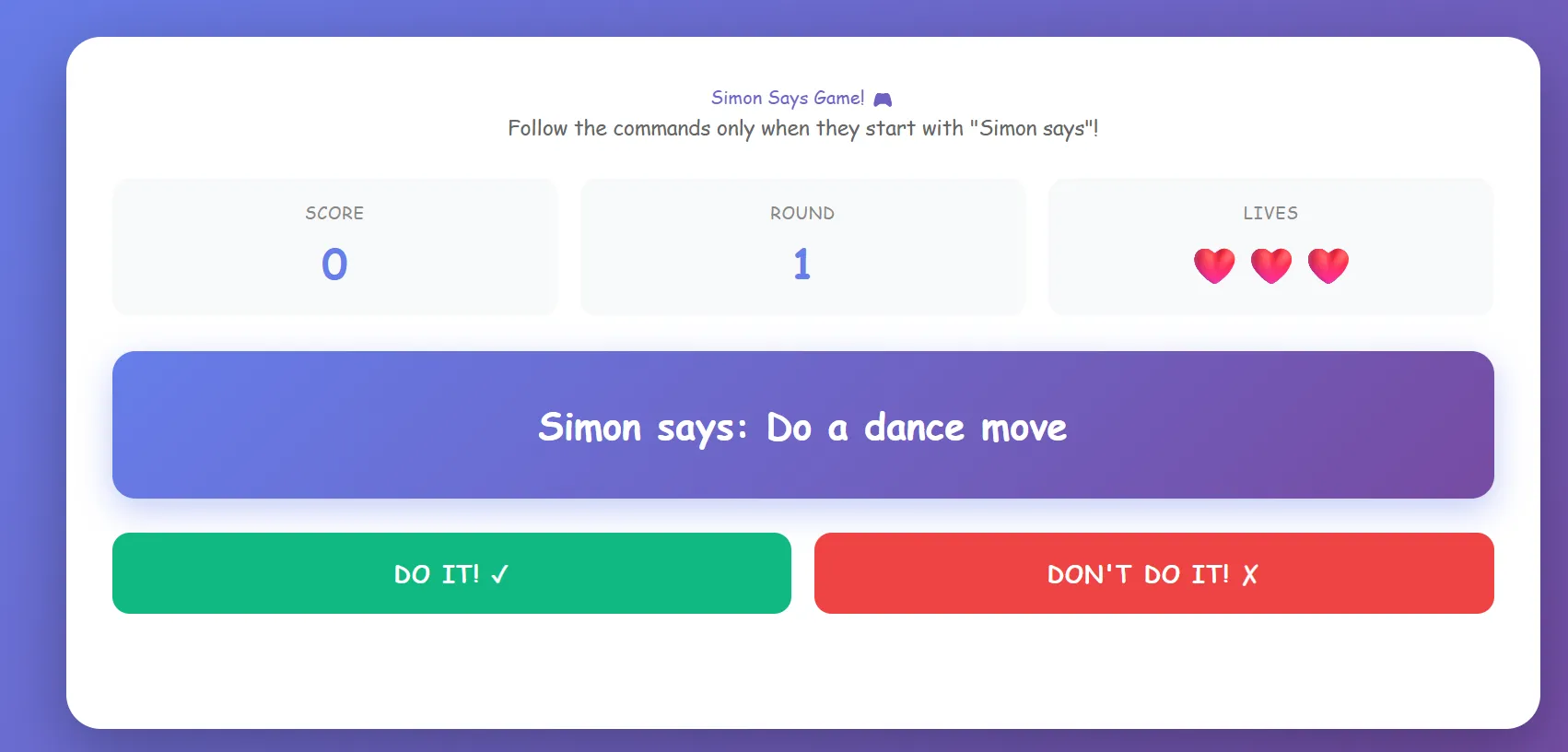 GameSimon GameA fun memory-based game where players repeat colour and sound sequences. Each level adds a new challenge, brain-boosting for kids learning logic and focus.by YashaswiOpen the live project ↗
 ToolImage Slider WebsiteA visually appealing site with a smooth image carousel, auto or manual navigation, responsive layout and beautiful transition effects.by SomrajOpen the live project ↗
 GameThe Beautiful MindA scientifically designed focus and brain-strength game with 15 progressive levels, testing attention, control and mental endurance with real-time progress tracking and leaderboards.by Modern Age CodersOpen the live project ↗
Parent & student voices
What our families say
Real, verified reviews from Modern Age Coders families. Read hundreds more on our Wall of Love.
“I highly recommend this computer coding class! The teachers are incredibly knowledgeable and passionate about coding. They make every session engaging and insightful. They explain complex concepts in an easy way and encourage students to ask questions and think critically. The friendly class atmosphere has boosted my son's confidence and interest in coding.”
Parent
“One of the most wonderful education centres out there. Education is not limited to school syllabus but focuses on skill development. Learning here has been a wonderful journey and still continuing.”
Student
“Very good classes. Don't worry about coding. They teach the best, especially Shivam sir.”
Student