Pick the course. Start this week.
Every mentor teaches from a structured programme, adapted live to your child. Open a course to see the full syllabus and enroll in minutes, or start with a Priority Demo and let the placement pick for you.
 Best fit
Python & AI for Kids
Real text code taught gently, with AI projects on top: the ladder's central rung for ages 9-13.
$100/mo group · $150/mo 1-on-1
View course & enroll
Scratch Programming Complete
The ages 6-9 starting rung: real ideas in friendly blocks, from first sprite to shipped game.
$100/mo group · $150/mo 1-on-1
View course & enroll
Vibe Coding for Kids
Blocks, game builds and AI tools in one arc: the bridge years, ages 8-12, covered joyfully.
$100/mo group · $150/mo 1-on-1
View course & enrollGood online coding classes for an American child give you a real teacher, live, on a schedule that fits US after-school life; a ladder that runs from Scratch (age 6) through Python and AI (age 14) and eventually to AP Computer Science; and depth, projects the child builds and explains, not videos with quizzes. That is what we do: live one-hour classes with a dedicated mentor, in small groups (8 a month) or private 1-on-1, priced for your country and shown in your local currency, Priority Demo first.
The schools mean well. The calendar does not cooperate.
American computer-science education is a patchwork: some districts run real CS classes, many offer a yearly Hour of Code and a robotics club with a waitlist, and elementary coding is usually whatever one enthusiastic teacher can fit between everything else. Standards exist; steady, taught progression mostly does not, until high school, where AP Computer Science suddenly assumes a comfort the school years never built.
Meanwhile the market's answer to parents is expensive: brand-name kids-coding platforms at $200 to $300 a month, franchise centers at $175 to $350 plus a drive, or self-paced apps that hold attention for exactly three weeks.
What actually builds a young programmer is boring to say and rare to find: the same mentor, twice a week, for a full taught hour, over years, the piano-lesson model, applied to code. That is the entire product here. Your child climbs a real ladder, Scratch, game building, Python, AI, with one teacher who knows exactly where they are on it.
And the time-zone worry solves itself: our mentors teach US afternoons and evenings across all four zones, Eastern to Pacific, plus weekend mornings. The cost advantage is simply arithmetic, our cost base is global, so a month of eight one-hour classes costs less than most US options charge for a week.
Six to fourteen, mapped honestly.
| Age | The right work | Where it leads |
|---|---|---|
| 6-8 | Scratch: real computer-science ideas in friendly blocks, through games and stories | The foundation everything else stands on, and the love of building |
| 9-11 | Bigger builds: game development, Roblox or Minecraft coding, first text code | The maker phase, where identity forms: "I am a kid who builds things" |
| 11-13 | Real Python: apps, games, generative art, plus honest AI literacy | The general-programming road that AP CS and every tech field assumes |
| 13-14+ | Deeper Python, AI/ML projects, web development, and contest tastes | AP Computer Science readiness, USACO for the ambitious, portfolio for everyone |
Every rung is taught by the same school, so climbing never means starting over. The Priority Demo places your child on the ladder by evidence, and our teen and AP-track pages take over where this one ends.
Eight signs it is time for real coding classes.
School CS is an annual event
An Hour of Code in December cannot feed a spark that shows up every day at home.
The robotics club is waitlisted
Demand outruns supply in most districts. A live online mentor has no waitlist and no carpool.
Juni-style quotes gave you pause
$250 a month for two short sessions is real money. Eight full hours for one monthly fee changes the decision entirely.
The app subscription went stale
Self-paced platforms hold most kids for three weeks. A mentor who knows your child holds them for years.
Screens are winning anyway
The hours are being spent regardless. Two of them a week can become building instead of watching.
AP CS is on the far horizon
The students who stroll into AP Computer Science started at eight or ten. The runway is the advantage.
After-school logistics are full
No drive, no drop-off: class happens at the kitchen table, Eastern through Pacific, weekends included.
Your child asked
The best sign there is. The demo is free and answers it better than any brochure.
What "depth" means, in one small example.
secret = random.randint(1, 100)
guesses = 0
while True:
guess = int(input("Your guess: "))
guesses = guesses + 1
if guess == secret:
print("Got it in", guesses, "tries!")
break
elif guess < secret:
print("Higher!")
else:
print("Lower!")
The shallow version of this lesson: copy the guessing game, run it, badge earned, next video.
Our version: the child builds it line by line, then the mentor starts asking. "What is the smartest first guess?" "What is the largest number of guesses you would ever need if you play perfectly?" The child discovers binary search, halve the range every time, seven guesses always suffice for a hundred numbers, years before any textbook would show it to them.
That is the difference depth makes: the same twenty lines of code, and one child leaves with a badge while the other leaves with an idea. Multiply that by eight hours a month for a few years, and you get the teenager who finds AP Computer Science oddly easy.
How the classes fit US life.
All four time zones
After-school and evening slots from Eastern to Pacific, plus weekend mornings. You pick two weekly slots and they stay yours.
The same mentor, for years
The piano-lesson model: one teacher who knows your child's pace, gaps and spark, compounding month over month.
Projects, shipped and shown
Real builds that go up on our Student Labs wall and get demoed to family, identity fuel for a young maker.
Coding and math, one school
Our mentors teach both, and many US families run one coding and one math slot per week, same teacher style, same platform.
The AP runway, when it is time
This ladder hands off cleanly to our teen tracks: AP Computer Science prep and USACO coaching for the ambitious.
Parents kept in the loop
Recordings of every class, progress notes, and an honest read whenever you ask for one, including "slow down".
Who this genuinely fits, and who it does not.
A strong fit if…
• Your child is 6-14, curious about screens and games, and you want that curiosity built into a real, lasting skill.
• The US options priced you out or underwhelmed you: $250-a-month platforms, $300-a-month centers, apps that went stale in three weeks.
• You want one mentor who knows your child by name, not a rotating cast or a video library with a mascot.
• You care about the long game: the AP Computer Science and USACO runway that starts, quietly, at age eight.
Honestly not the fit if…
• Your child cannot yet engage with a screen and a teacher for a full hour. By age 6 nearly every child can, provided the hour is genuinely interactive, and ours are.
• You want projects built for the child so the portfolio looks good. Our mentors ask questions and coach; the child does the building, which is slower in week one and the whole point by month three.
• You want homework done for the child or a portfolio inflated. Our mentors coach; the child builds, which is slower in week one and the whole point by month three.
Premium teaching. One honest price.
You are paying for a real teacher, live, for a full hour, twice a week, the format US kids-coding companies charge $175 to $350 a month for. Our cost base is global, so the price is not.
1:1 Private Mentorship
$150 / month
- 8 live one-hour classes a month, 2 per week4 live one-hour classes a month, 1 per week
- A dedicated mentor who knows your child by name
- Projects chosen with, and built by, your child
- Class recordings for revision · cancel any time
Small-Group Class
$100 / month
- 8 live one-hour classes a month, 2 per week
- A handful of children at the same level
- Same teaching method, gentle peer energy
- Recordings included · cancel any time
That is $18.75 per dedicated hour of 1-on-1 teaching, or $12.50 in a small group. No registration fee, no contract, and you can see a full class first with a Priority Demo. Read our zero-risk promise or compare with what US kids coding costs in 2026.
Mentors who teach the why, in classes kids wait for.
Our mentors are trained in one method: ideas before recipes, the child's hands on the keyboard, and the child talking more than the teacher. They teach both coding and mathematics, which matters more than it sounds, because a mentor who can smuggle fractions into a scoring system and coordinate geometry into a game map is teaching two subjects in one after-school hour.
And because the same mentor stays with your child month after month, teaching compounds: they know which ideas landed, which need another costume, and exactly when your child is ready for the next stretch.
"My child Dhairya is really enjoying the classes. This is his first online class, and he eagerly looks forward to it. I can see his improvement."
Sonam Oswal, mother of Dhairya · verified Google review
"My son struggled with math for years. Integrating it into coding projects has transformed his understanding and confidence. Highly recommended!"
Shewta Singh, mother of Ishan · verified Google review
Your real US options, compared honestly.
| Option | Typical cost | What it really is | Best for |
|---|---|---|---|
| Modern Age Coders | $100–$150 / month | Live one-hour classes with a dedicated mentor, ideas-first, projects the child owns | Building a real maker, with the Python road open |
| Premium 1:1 platforms (Juni-style) | $200-$300 / month | Live 1-on-1, often 2-4 sessions monthly at 30-50 minutes, rotating instructors common | Families who want brand-name polish and can absorb the price |
| Marketplace classes (Outschool-style) | $15-$25 / class | One-off or short-series group classes of varying quality; no continuity of mentor or curriculum | Sampling topics cheaply before committing anywhere |
| Coding centers (Code Ninjas-style) | $175-$350 / month | Drop-in dojo floors with game-based curriculum and rotating guides, plus the drive | Children who focus better out of the house |
| Self-paced apps (Tynker-style) | $10-$30 / month | Gamified puzzle tracks, no teacher, no one to ask why | Extra practice between real lessons |
Competitor figures are typical published US prices as of July 2026. See our full comparisons: vs Outschool · vs Tynker · best online coding classes for kids 2026.
Everything US parents ask.
How do class timings work for US families?
Comfortably, across all four zones: after-school and evening slots Eastern through Pacific, plus weekend mornings. You pick two weekly slots and they stay yours; we adjust with daylight saving rather than making you re-book.
What ages do you teach, and what does the ladder look like?
Ages 6-14 on this ladder: Scratch (6-8), game building and first text code (9-11), real Python and AI literacy (11-13), then deeper Python, web and contest tastes (13-14). It hands off cleanly to our teen tracks, including AP Computer Science prep and USACO coaching, so climbing never means switching schools.
How is this different from Juni, Outschool or Code Ninjas?
Contact time, continuity and price. We give 8 full one-hour live classes a month with the same dedicated mentor at our regular monthly fee; Juni-style platforms run $200-$300 for fewer, shorter sessions, marketplaces sell one-off classes with no continuity, and centers add a commute. The teaching method, ideas before recipes, child explaining aloud, is the deeper difference, and a Priority Demo shows it.
Will this help with school and AP Computer Science later?
Directly. The ladder is designed so that a child who starts at 8 strolls into AP CSP or AP CSA at 15 with years of real programming underneath, and our teen tracks teach those courses explicitly. Ambitious kids can also aim at USACO, where we coach Bronze through Platinum.
Are the mentors comfortable teaching American kids?
Yes, US families are one of our largest cohorts. Mentors teach across US time zones daily, classes run in English, and the teaching method, interactive, question-driven, project-first, is exactly what American parents tell us their kids' school CS never had time for.
What does it cost, honestly?
Pricing is set for each country and shown on this page in your own currency. Group plans include 8 live one-hour classes a month and 1-on-1 plans run private weekly sessions, all billed month to month. To see a class first, book a Priority Demo. No registration fee, no contract. That is $18.75 per dedicated 1-on-1 hour, against a US market where $175-$350 a month is normal.
Is the screen time worth it?
The honest frame: the screen hours are happening anyway. Two of them a week becoming creative, effortful building, with an adult asking your child to explain their thinking, is the best trade available. Parents consistently report the change in how their child uses the other hours, too.
What equipment does my child need?
A computer with a browser and stable internet. Scratch and Python need nothing else; game-platform projects (Roblox, Minecraft) need a machine that runs those tools, which we confirm at the demo. Nothing to purchase.
Do you also teach math?
Yes, it is half of what we do, with the same mentors and method. Many US families run one coding and one math slot per week; our grade-level math pages cover 3rd through 8th grade and beyond.
Can we try a class before enrolling?
Yes. Book a Priority Demo: a full live class of about 45 to 60 minutes, today or tomorrow, with a mentor reserved for your child. After the class the mentor sends a written skill report and a personal learning roadmap on WhatsApp. If you enrol, the demo fee is adjusted against your first month's fee.
More for American families from Modern Age Coders.
Watch one full hour of real teaching. Free.
Book the demo class. Your child gets a real lesson with a real mentor, builds something real inside the hour, and you get an honest placement on the ladder. If your child does not leave the hour asking when the next class is, walk away with our thanks.
Real student projects
What our students actually build
Every one is a real, live project shipped by a Modern Age Coders student. Explore more in Student Labs.
 Web AppPracy: Coding Practice & Quiz PlatformAn all-in-one coding-practice site with interactive challenges, quizzes and score tracking across multiple languages to strengthen logic and problem-solving.by RohanOpen the live project ↗
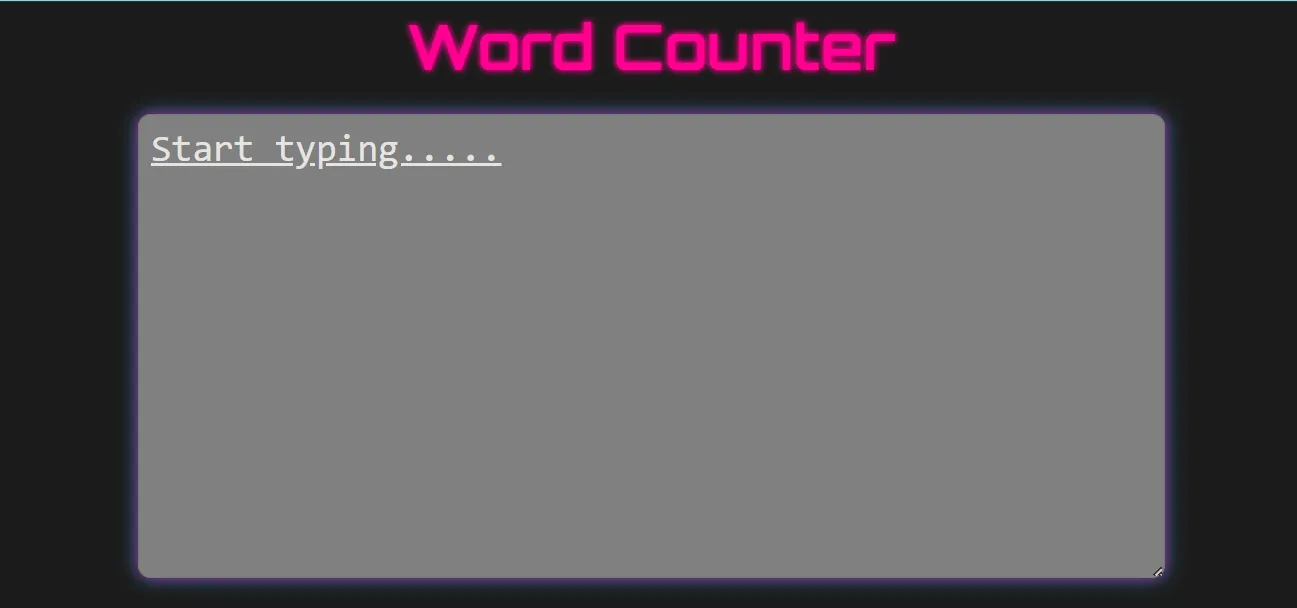 ToolWord Counter WebsiteA simple yet powerful tool that counts words, sentences and paragraphs from user input with instant, real-time results and a clean responsive interface.by VanshOpen the live project ↗
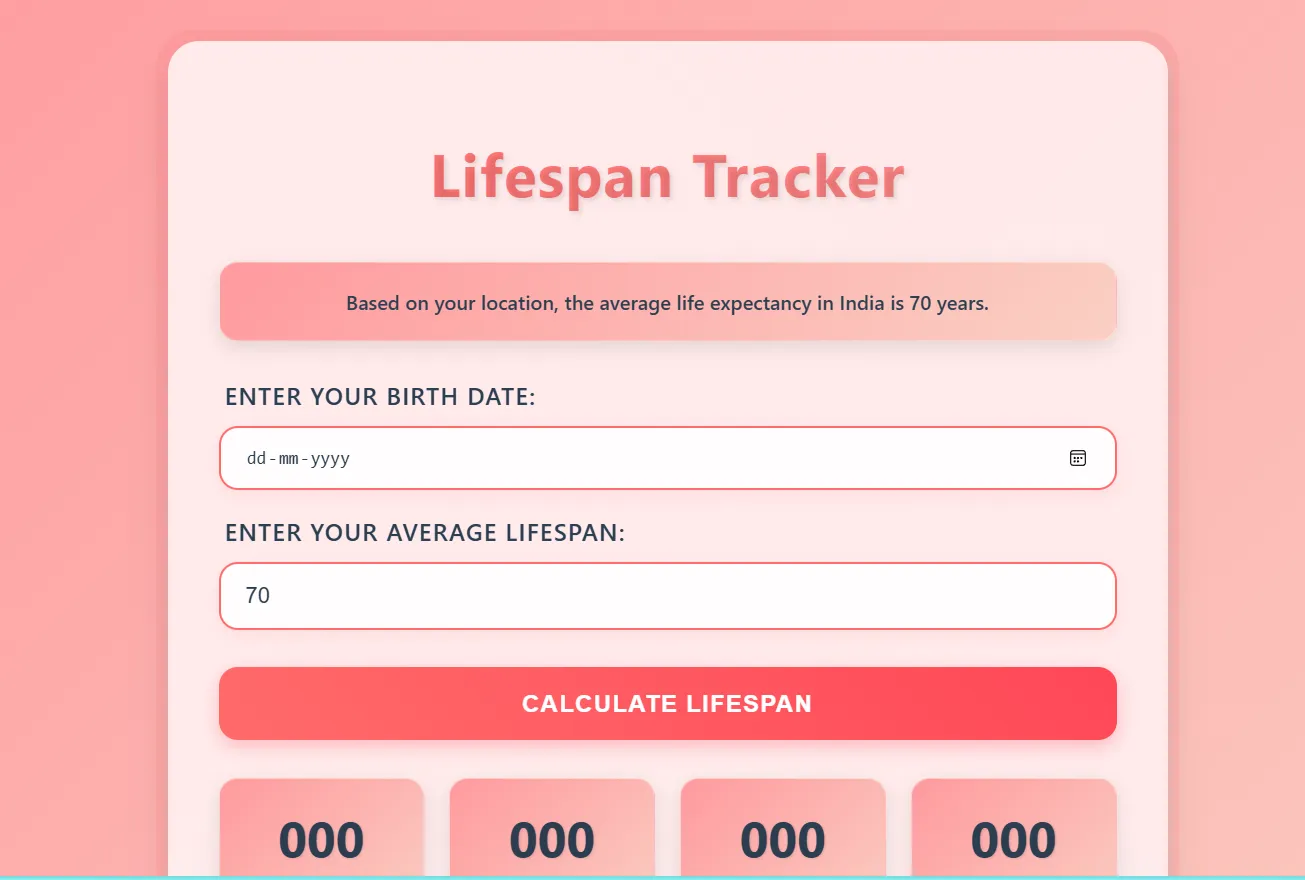 ToolLife Span TrackerAn interactive web tool that calculates expected lifespan, shows days, months and years lived, and visualises remaining time to motivate better habits.by ManayOpen the live project ↗