MySQL and SQL for Teens
Every app a teenager uses is a database wearing a nice shirt. Five months from first query to designing and connecting real databases of their own.
Syllabus updated August 2026
Recordings are free with a Google sign-in. These recordings show how we teach, not the exact syllabus of this course.
How long this course takes
This course runs 5-6 months (20-24 weeks) at 2 live classes/week + 2-3 hours practice. The range allows for background and pace: a complete beginner uses the full span, and a student with prior knowledge finishes sooner. The syllabus below is planned to the shorter end, with margin kept for revision.
For personalised duration planning, call +91 91233 66161 and we'll map a schedule to your goals.
At a glance
- Who it is for
- Absolute beginner, ages 13 to 18.
- Prerequisites
- None. SQL is taught from the first statement; the Python in month 5 is guided
- Format
- Live, interactive classes with a real instructor, never pre-recorded videos. Live classes run about one hour.
- Language
- English or Hindi, depending on the batch.
- Duration
- 5-6 months (20-24 weeks)
- Weekly commitment
- 2 live classes/week + 2-3 hours practice
- Class size
- Group batches of 5 to 10 students, mini batches of 3 to 4, or 1-on-1.
- Certificate
- Certificate from Modern Age Coders, awarded on passing the final exam
- Watch first
- Free recordings of real classes for ages 13 and up, free with a Google sign-in. These recordings show how we teach, not the exact syllabus of this course.
- Live demo
- Optional. Enroll directly on this page, or book a free live demo if you would like to meet a mentor first.
How we teach
Deep understanding. Real projects. Expert guidance.
Learn coding, AI and maths through careful explanations, practical demonstrations, and hands-on problem-solving. Our instructors guide you from the foundations to advanced ideas, helping you understand what happens, why it happens, and how to build it yourself.
You will explore concepts step by step, write and improve code, investigate mistakes, ask questions, and apply your knowledge to meaningful projects. Lessons are designed around active participation, thoughtful feedback, and growing independence.
Expert-led live teaching, with practical participation built into every lesson.
- Students explain their thinking.
- Instructors demonstrate, then guide practice.
- Learners code, solve, or build during lessons.
- Questions and misconceptions get attention.
- Assignments receive useful feedback.
- Progress is checked before advancing.
Ready to Master MySQL for Teens: SQL from First Query to Real Apps?
Choose your plan and start your journey into the future of technology today.
Rated 4.9 across 547 Google reviews. Enroll directly, or see a class first. The free demo is a waiting list and needs no card. Monthly billing, cancel anytime.
Try this course in a full live class, today or tomorrow.The Priority Live Demo is a real class of about 45 to 60 minutes with a mentor reserved for you. You get a written skill report afterwards, and the fee is adjusted against your first month if you enrol.
Book priority demo · ₹499International Students (Outside India)
Billed monthly in US dollars, the same price in every country. Contact us with any questions.
Program Overview
Behind Instagram, Spotify and every game leaderboard sits the same quiet skill: SQL, the language of data. This live online course teaches it properly to students aged 13 to 18, from the first SELECT to real database design, in five honest months. SQL is one of the highest-value skills per hour of learning in all of computing: the language is compact, the concepts are learnable at 13, and the skill stays current for decades.
The arc is practical from the first week: students query and build real databases about things they care about, music libraries, game inventories, school clubs, then learn the query toolkit (functions, aggregation, subqueries), real design (relationships, joins, ER diagrams, constraints), the power features professionals lean on (views, stored procedures, transactions, indexes), and finish by securing a database and connecting it to Python, where data becomes an actual application. The capstone is a complete, well-designed, connected database project defended at demo day.
The pace is honest: five months at two live classes a week plus two to three hours of practice, with a sixth month in hand for students who need more time. Homework after every class, monthly mixed reviews that reach back deliberately, and a final exam that decides the certificate, with a free retest after revision. Real queries, real design, depth over dopamine.
What Makes This Program Different
- Honest length: SQL fundamentals to real design in 5 months, not a stretched year
- Teen-real datasets: music, games, clubs and leaderboards, not employee-salary tables from 1998
- Design is taught, not skipped: ER diagrams, normalization and constraints, the part that separates users from designers
- The professional features that matter: views, procedures, transactions and indexes, each earning its place
- Ends connected: MySQL driven from Python, so the database becomes an application
- Real assessment: weekly homework, monthly mixed reviews, and a final exam that decides the certificate, with focused revision and a free retest
Your Learning Journey
Career Progression
Detailed Course Curriculum
Explore the complete week-by-week breakdown of what you'll learn in this comprehensive program.
Topics Covered
- What is data and why do we need databases?
- Real-world database examples teens use daily (Instagram, TikTok, Spotify)
- Files vs Databases: Why databases win
- Types of databases: Relational vs NoSQL
- Introduction to MySQL: History and why it's popular
- MySQL in the real world: Facebook, Twitter, YouTube
- Installing MySQL on Windows/Mac/Linux
- MySQL Workbench installation and tour
- Command line basics for MySQL
- Creating your first database
- Understanding servers, clients, and connections
- Database terminology: tables, rows, columns, records
Projects You Build
- Install and configure MySQL environment
- Create 'MyLife' database for personal data
- Design a simple contact list database
Practice & Assignments
Daily: 30 min terminal practice, 1 hour MySQL basics
Topics Covered
- CREATE DATABASE statement
- USE, SHOW, and DROP commands
- Creating tables with CREATE TABLE
- Data types: INT, VARCHAR, TEXT, DATE, BOOLEAN
- Understanding NULL and NOT NULL
- Primary keys and their importance
- AUTO_INCREMENT for automatic IDs
- Altering tables: ADD, MODIFY, DROP columns
- Renaming tables and columns
- DESCRIBE and SHOW COLUMNS commands
- Comments in SQL code
- SQL naming conventions and best practices
Projects You Build
- School database with students and classes
- Gaming stats tracker database
- Music library database structure
Practice & Assignments
Create 10 different database schemas for teen apps
Topics Covered
- INSERT INTO: Adding single records
- INSERT multiple records at once
- Understanding SQL syntax and semicolons
- SELECT statement fundamentals
- SELECT specific columns vs SELECT *
- WHERE clause for filtering data
- Comparison operators: =, !=, <, >, <=, >=
- AND, OR, NOT logical operators
- IN and NOT IN operators
- BETWEEN for range queries
- LIKE operator and wildcards (%, _)
- ORDER BY: Sorting results ASC and DESC
Projects You Build
- Populate school database with student data
- Create and query a movie ratings database
- Build a sports team roster system
Practice & Assignments
Write 50 different SELECT queries with various filters
Topics Covered
- UPDATE statement: Modifying existing data
- Using WHERE with UPDATE (critical importance!)
- Updating multiple columns
- Using CASE in UPDATE statements
- DELETE statement: Removing records
- Safe deletion practices
- TRUNCATE vs DELETE vs DROP
- Understanding transactions basics
- Data integrity and consistency
- Handling NULL values in queries
- IS NULL and IS NOT NULL
- Default values and their uses
Projects You Build
- Grade management system with updates
- Inventory system with stock updates
- Social media profile manager
Practice & Assignments
Perform 30 UPDATE and DELETE operations safely
Assessment
Month 1 check: build and query a small database live, plus a take-home mixing everything from month 1
Topics Covered
- String functions: CONCAT, SUBSTRING, LENGTH
- UPPER, LOWER, TRIM, LTRIM, RTRIM
- REPLACE and string manipulation
- REVERSE, REPEAT, and SPACE
- Numeric functions: ROUND, CEIL, FLOOR
- ABS, MOD, POWER, SQRT
- RAND() for random numbers
- Mathematical operations in queries
- FORMAT for number formatting
- Working with CHAR_LENGTH vs LENGTH
- CAST and CONVERT for type conversion
- Combining multiple functions
Projects You Build
- Username generator with string functions
- Grade calculator with numeric functions
- Data cleaning toolkit
Practice & Assignments
Master 40 different MySQL functions
Topics Covered
- Date and time data types: DATE, TIME, DATETIME, TIMESTAMP
- CURDATE(), CURTIME(), NOW()
- Date formatting with DATE_FORMAT
- Extracting parts: YEAR, MONTH, DAY, HOUR, MINUTE
- DAYNAME, MONTHNAME for readable output
- Date arithmetic: DATE_ADD, DATE_SUB
- DATEDIFF for calculating differences
- Working with time zones
- UNIX_TIMESTAMP and FROM_UNIXTIME
- Age calculations from birthdates
- Scheduling and recurring events concepts
- Best practices for storing dates
Projects You Build
- Birthday reminder system
- Event scheduling database
- Time tracking application
Practice & Assignments
Build 20 queries involving date/time calculations
Topics Covered
- COUNT: Counting records and values
- COUNT(*) vs COUNT(column) vs COUNT(DISTINCT)
- SUM for totaling numeric values
- AVG for calculating averages
- MIN and MAX for finding extremes
- GROUP BY clause explained
- Grouping by single and multiple columns
- HAVING clause for filtering groups
- HAVING vs WHERE: Key differences
- GROUP_CONCAT for combining grouped values
- Using aliases with AS
- Complex grouping scenarios
Projects You Build
- Class grade analytics system
- Sales reporting database
- Game high scores leaderboard
Practice & Assignments
Create 30 reports using aggregate functions
Topics Covered
- Understanding subqueries concept
- Subqueries in WHERE clause
- Subqueries returning single values
- Subqueries returning multiple values
- IN, NOT IN with subqueries
- EXISTS and NOT EXISTS operators
- Subqueries in SELECT clause
- Subqueries in FROM clause (derived tables)
- Correlated vs non-correlated subqueries
- Performance considerations
- ANY, ALL, SOME operators
- Nested subqueries (multiple levels)
Projects You Build
- Advanced student ranking system
- Product recommendation queries
- Social media analytics dashboard
Practice & Assignments
Write 25 complex queries with subqueries
Assessment
Month 2 check: an aggregation-and-subquery challenge, with quiz questions reaching back to month 1
Topics Covered
- Understanding relationships: Why we need multiple tables
- One-to-One relationships explained
- One-to-Many relationships (most common)
- Many-to-Many relationships and junction tables
- Foreign keys: Linking tables together
- FOREIGN KEY constraints
- Referential integrity and CASCADE options
- Introduction to JOINs
- INNER JOIN: Matching records in both tables
- LEFT JOIN: Include all from left table
- RIGHT JOIN: Include all from right table
- JOIN with multiple tables
Projects You Build
- School system with students, teachers, courses
- E-commerce with customers, orders, products
- Music app with artists, albums, songs
Practice & Assignments
Create 20 different JOIN queries
Topics Covered
- Self JOINs: Joining table to itself
- CROSS JOIN and Cartesian products
- Natural JOIN (and why to avoid it)
- Using aliases in JOINs
- Multiple JOIN conditions
- JOINs with aggregate functions
- UNION: Combining result sets
- UNION vs UNION ALL
- INTERSECT concept (workarounds in MySQL)
- EXCEPT/MINUS concept
- Complex JOIN scenarios
- Optimizing JOIN performance
Projects You Build
- Employee hierarchy system
- Tournament bracket system
- Multi-store inventory system
Practice & Assignments
Master complex JOIN operations with 30 exercises
Topics Covered
- Database design process overview
- Identifying entities and attributes
- Entity-Relationship (ER) diagrams
- Crow's foot notation
- Primary keys: Natural vs Surrogate
- Composite keys
- Database normalization: Why it matters
- First Normal Form (1NF): Eliminating repeating groups
- Second Normal Form (2NF): Removing partial dependencies
- Third Normal Form (3NF): Removing transitive dependencies
- Denormalization: When and why
- Common design patterns
Projects You Build
- Design Instagram-like database from scratch
- Create online learning platform schema
- Design multiplayer game database
Practice & Assignments
Normalize 10 poorly designed databases
Topics Covered
- PRIMARY KEY constraint deep dive
- UNIQUE constraint for preventing duplicates
- NOT NULL constraint
- DEFAULT values and when to use them
- CHECK constraints for data validation
- FOREIGN KEY constraints and relationships
- ON DELETE CASCADE, SET NULL, RESTRICT
- ON UPDATE CASCADE
- Adding constraints to existing tables
- Dropping and modifying constraints
- Constraint naming conventions
- Data validation best practices
Projects You Build
- User registration system with validations
- Banking system with integrity constraints
- Inventory system with business rules
Practice & Assignments
Implement 20 different constraint scenarios
Assessment
Month 3 check: design a small schema live from a real-world brief, plus mixed review of months 1-2
Topics Covered
- What are views and why use them?
- Creating views with CREATE VIEW
- Simple vs complex views
- Views for data security
- Views for simplifying complex queries
- Updatable views and restrictions
- WITH CHECK OPTION for data integrity
- Modifying views with ALTER VIEW
- Dropping views
- Views vs tables performance
- Materialized views concept
- Best practices for using views
Projects You Build
- Create security layer with views
- Report generation system using views
- Multi-tenant system with view-based isolation
Practice & Assignments
Build 15 different views for various use cases
Topics Covered
- Introduction to stored procedures
- Benefits: security, performance, reusability
- CREATE PROCEDURE syntax
- Parameters: IN, OUT, INOUT
- Variables and DECLARE statement
- Control flow: IF-ELSE, CASE
- Loops: WHILE, REPEAT, LOOP
- Cursors for row-by-row processing
- Error handling with HANDLERS
- Stored functions vs procedures
- CREATE FUNCTION syntax
- Debugging stored procedures
Projects You Build
- Banking transaction procedures
- Automated report generation system
- Game scoring calculation procedures
Practice & Assignments
Create 20 stored procedures for common operations
Topics Covered
- ACID properties explained for teens
- Understanding transactions importance
- START TRANSACTION, COMMIT, ROLLBACK
- Autocommit mode
- Savepoints in transactions
- Isolation levels: READ UNCOMMITTED to SERIALIZABLE
- Dirty reads, phantom reads, non-repeatable reads
- Locking mechanisms in MySQL
- Table locks vs row locks
- Deadlocks: detection and prevention
- Optimistic vs pessimistic locking
- Transaction best practices
Projects You Build
- Banking system with safe transactions
- Ticket booking system with concurrency handling
- Inventory management with locking
Practice & Assignments
Handle 20 different transaction scenarios
Topics Covered
- What are indexes? Phone book analogy
- How indexes speed up queries
- Types of indexes: B-Tree, Hash, Full-text
- Creating indexes with CREATE INDEX
- Primary key and unique indexes
- Composite (multi-column) indexes
- Index selectivity and cardinality
- EXPLAIN statement for query analysis
- Reading execution plans
- Identifying slow queries
- Query optimization techniques
- When NOT to use indexes
Projects You Build
- Optimize slow social media queries
- Create indexing strategy for e-commerce
- Performance tuning workshop
Practice & Assignments
Optimize 25 slow queries with proper indexing
Assessment
Month 4 check: speed up a slow query live with an index and explain why it worked, plus mixed review
Topics Covered
- MySQL user account management
- CREATE USER and DROP USER
- Understanding privileges system
- GRANT and REVOKE statements
- Database-level vs table-level privileges
- Column-level and procedure privileges
- Roles in MySQL 8.0+
- Password policies and expiration
- SSL/TLS connections
- Security best practices
- Preventing SQL injection
- Prepared statements for security
- Backups with mysqldump: the five-minute habit that saves projects
Projects You Build
- Multi-user application security setup
- Role-based access control system
- Secure API database layer
Practice & Assignments
Configure security for 10 different scenarios
Topics Covered
- Connecting to MySQL from Python
- MySQL connectors and drivers
- Connection pooling importance
- Prepared statements in applications
- ORM concepts (Object-Relational Mapping)
- Building APIs with MySQL backend
- Handling database errors in code
- Async database operations
- Database abstraction layers
- Testing database code
- Migration scripts
- Database versioning
Projects You Build
- Python MySQL admin tool
- RESTful API with MySQL
- Database migration system
Practice & Assignments
Build 10 applications using MySQL
Topics Covered
- Choosing the capstone: a database product for something real, a club, a collection, a game
- Designing first: ER diagram and constraints reviewed before any data
- Building the schema, seeding realistic data
- The query set: the ten questions your database can answer
- A small Python interface: menu-driven or web-lite
- Documentation another student could use
Projects You Build
- The capstone: a designed, documented, Python-connected database project
Practice & Assignments
Daily capstone progress; schema frozen by day 3
Topics Covered
- Presenting the capstone: schema, queries, interface, decisions
- A full-course spiral review before the exam
- Where this leads: Python, data science and full-stack roads
Projects You Build
- Demo day presentation delivered to the batch and parents
Assessment
FINAL EXAM: a practical database build plus a written paper with questions mixed from every month. Passing earns the certificate; a student who falls short gets a focused revision plan and a free retest
Projects You'll Build
Build a professional portfolio with 12+ real databases and query projects, crowned by a connected capstone real-world projects.
Weekly Learning Structure
Certification & Recognition
Technologies & Skills You'll Master
Comprehensive coverage of the entire modern web development stack.
Support & Resources
Career Outcomes & Opportunities
Transform your career with industry-ready skills and job placement support.
Prerequisites
Who Is This Course For?
Career Paths After Completion
Course Guarantees
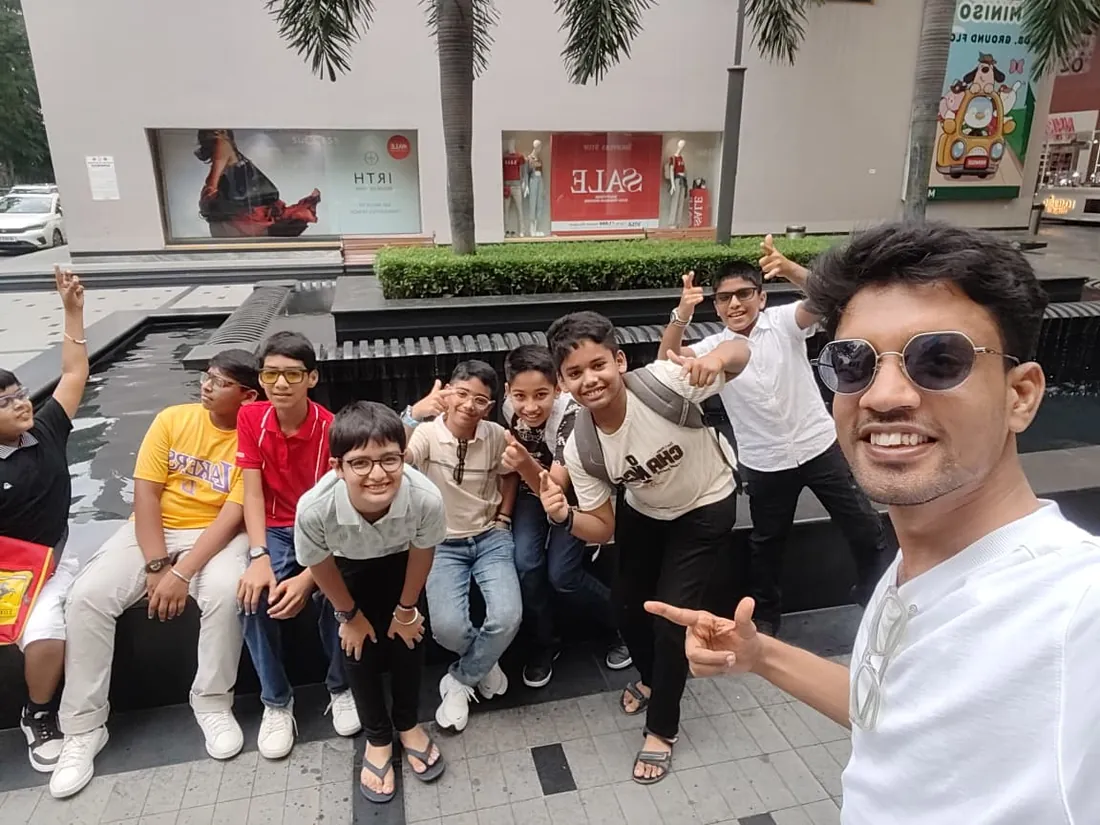
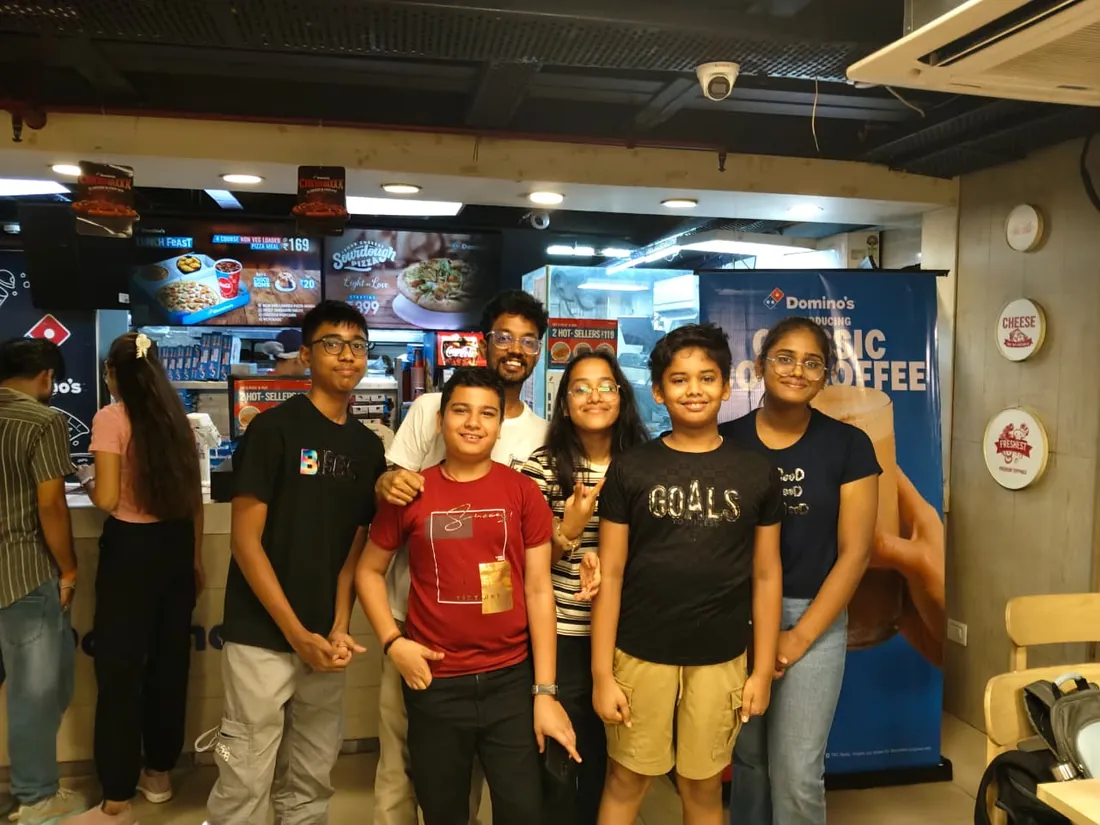
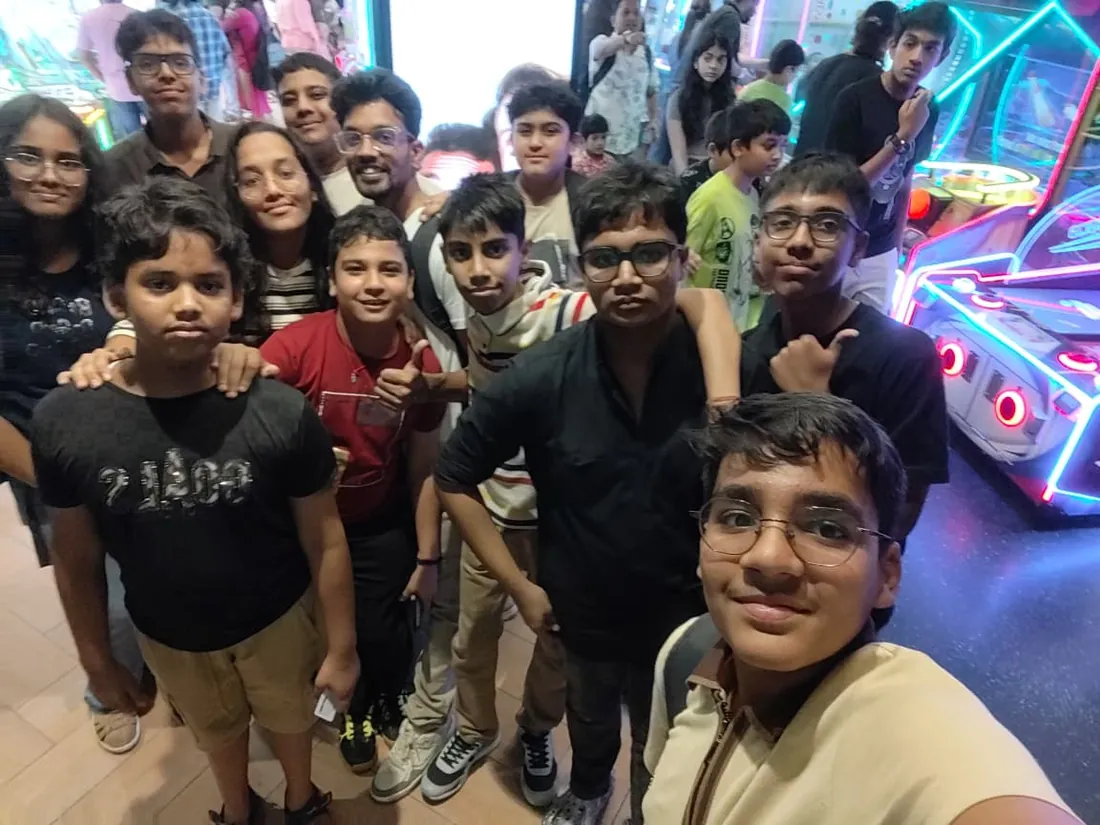
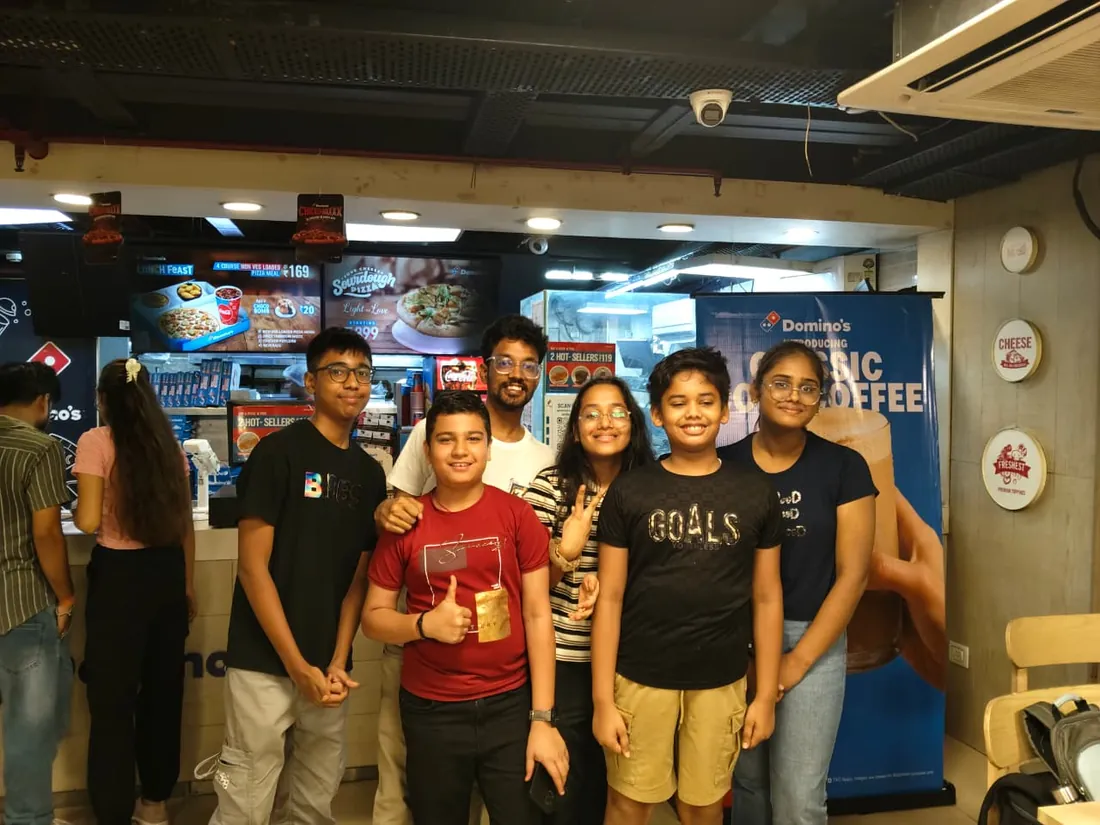
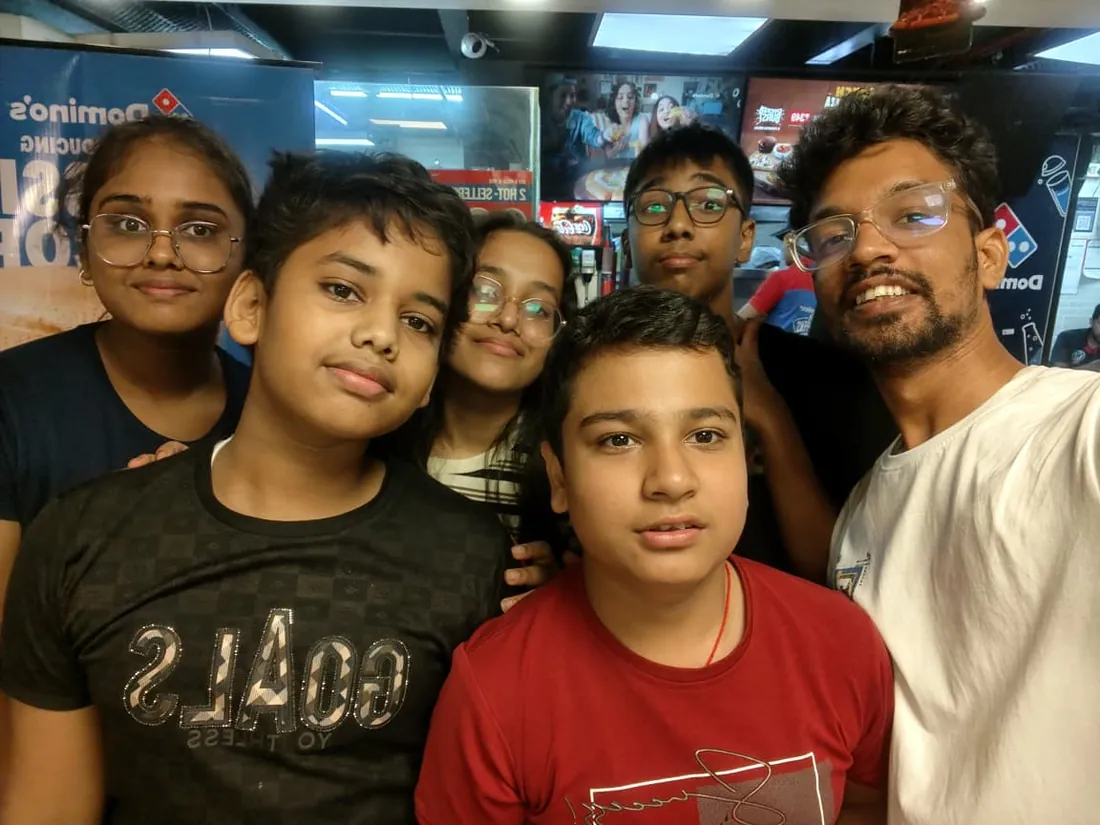
Real students. Real moments. Real joy.
These are our actual student meetups. No stock photos, no filters. Swipe through and meet the community you'll be joining.






























What families say
Straight from the parents and students who learn with us. Rated 4.9 across 547 Google reviews.
“Mivaan enjoys the class. He understands the concepts and completes his tasks with excitement. He started taking interest in coding… truly amazing class.”
“I absolutely love it here! I made new friends and learned important valuable coding skills while having the fun of my life. It's not just coding here, it's outings, bonding and most importantly preparing you for your future. Definitely five stars.”
“What stands out most is how excited my son is before every class. He looks forward to learning, problem-solving, and sharing what he's built. I've noticed a big boost in his confidence!”
“Modern Age Coders has been a game-changer for me! I struggled to grasp IT concepts and coding before joining, but their classes transformed everything. I'm now the topper in my class and can confidently write complex programs with ease.”
“Modern Age Coder have wonderful teachers who teach in a clear, easy and practical way. The teacher boosts students' confidence, keeps them updated with technology, and inspires them to learn without hesitation.”
“The one step solution for my son. Modern Age Coders make learning coding so simple that kids love it.”
“Coding classes here make learning very interesting and conceptual. The teachers teach us in a very easy-to-understand and efficient manner.”
“One of the most wonderful education centres out there. Education is not limited to school syllabus but focuses on skill development. Learning here has been a wonderful journey and still continuing.”
“I highly recommend this computer coding class! The teachers are incredibly knowledgeable and passionate about coding. They make every session engaging and insightful.”
“My child Dhairya is really enjoying the Modern Age Coder IT classes. This is his first online class, and he eagerly looks forward to it.”
“Very good classes. Don't worry about coding. They teach the best, especially Shivam sir.”
“Very good classes. Makes learning very easy and interactive.”
Hear it from our students
Real parents and students in their own words, on our public YouTube channel.
Straight answers about MySQL for Teens: SQL from First Query to Real Apps
- Who should take this course?
- Absolute beginner, ages 13 to 18. It suits teens who wonder how apps remember everything, and want to build the memory themselves; students heading for web, app or game development, where the data layer is always waiting; teens drawn to spreadsheets and statistics, ready for the real tool behind them.
- What will they learn and build?
- Behind Instagram, Spotify and every game leaderboard sits the same quiet skill: SQL, the language of data. This live online course teaches it properly to students aged 13 to 18, from the first SELECT to real database design, in five honest months.
- How deeply are topics covered?
- The course runs 5-6 months (20-24 weeks) at 2 live classes/week + 2-3 hours practice. A structured, well-paced curriculum taught step by step, with classwork in every session and homework after every class.
- Who teaches it?
- Modern Age Coders mentors, who teach the live classes themselves. You can watch them at work in the free class recordings before you decide.
- How do practice, feedback and assessment work?
- Mixed-review assignments after every month and a final exam that decides the certificate: real knowledge, real work, real projects. Doubt support between classes over WhatsApp, so you are never left stuck. A certificate you earn by passing the final exam, with a free retest after revision if needed.
- What does it cost?
- Three monthly plans: a group batch, a mini batch and 1-on-1. Prices are shown in your currency in the plans section. Monthly billing, cancel any time.
- When can classes take place?
- Live classes are scheduled around your week. Group batches meet at a fixed weekly slot; 1-on-1 students choose their own. International students are scheduled in their own timezone. Ask on WhatsApp for the current slots.
- Can I watch the teaching before deciding?
- Yes. Full recordings of real 13 and up classes are free to watch, free with a Google sign-in. These recordings show how we teach, not the exact syllabus of this course. Some classes are in English and some in Hindi; everyone follows at their own pace. Watch a class end to end, like you are in it. Sessions are interactive and each moment builds on the last.
- Can I enroll without a live demo?
- Yes. Choose a plan on this page and enroll directly; a booking or a demo is not required. A free live demo is optional, for anyone who wants to meet a mentor first. Outside India, our team confirms the plan and completes payment with you over WhatsApp, so allow a little time for that step.
Common Questions About MySQL for Teens: SQL from First Query to Real Apps
Get answers to the most common questions about this comprehensive program
Still have questions? We're here to help!
Contact UsRelated Courses You May Like
Continue your learning journey with these recommended programs
 Databases
MySQL Course: SQL, Database Design and Real Administration
MySQL course for college students and professionals: SQL mastery, database design, stored procedures...
Explore Course AI for Teens
AI Tools Course for Teens (13+): Prompting to Real Projects
AI tools course for teens aged 13-18: live online classes on ChatGPT prompting, safe AI art, study t...
Explore CourseRelated Articles & Guides
Deepen your knowledge with these hand-picked articles
 Education
9 min read
Education
9 min read
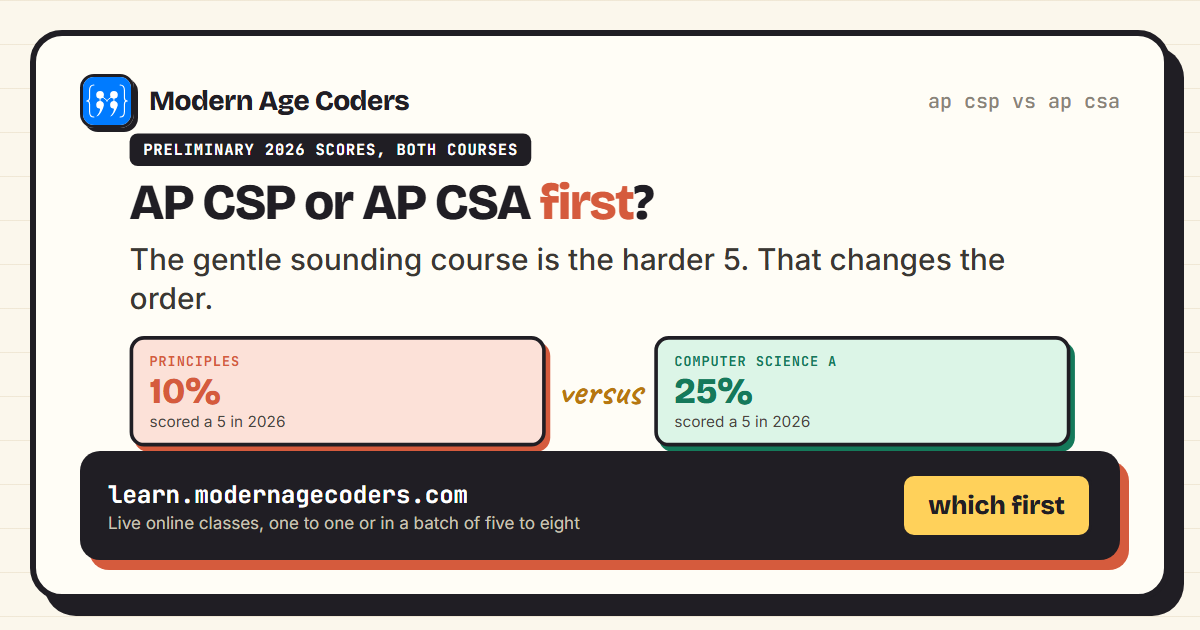
AP CSP vs AP CSA: Which Is Harder, and Which to Take First
Is AP CSA harder than AP CSP? CSA is harder to learn but more students score a 5. The differences, 2...
Read Article Education
15 min read
Education
15 min read
Scratch vs Python for Kids: The Difference and Which First
Scratch vs Python: Scratch is free drag-and-drop blocks for ages 8 to 13+, Python is typed text code...
Read ArticleReady to start MySQL for Teens: SQL from First Query to Real Apps?
Book a free demo class to meet your mentor and see how we teach, with no commitment. Or enrol now and start this week.